 Rented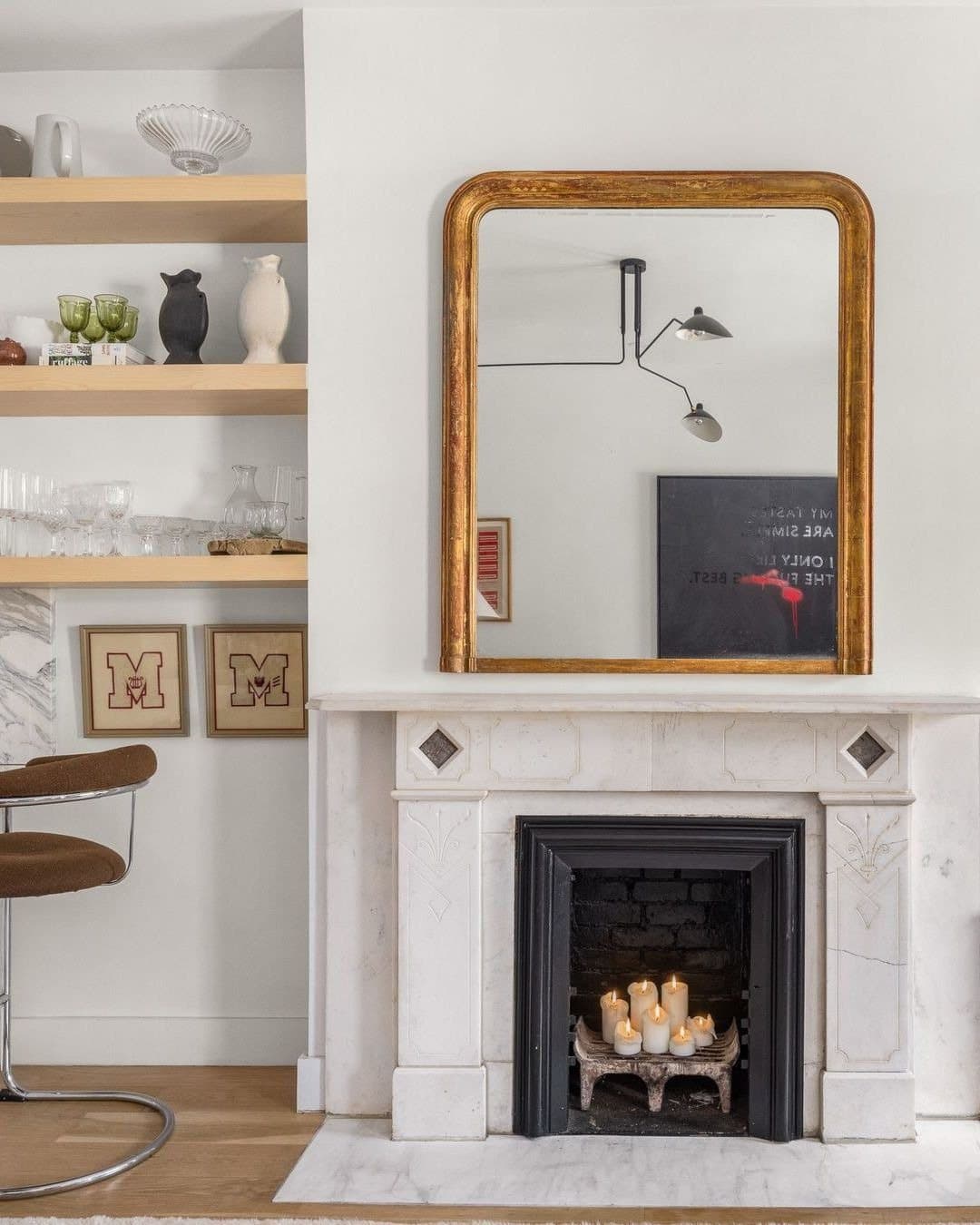




450 West 20th Street
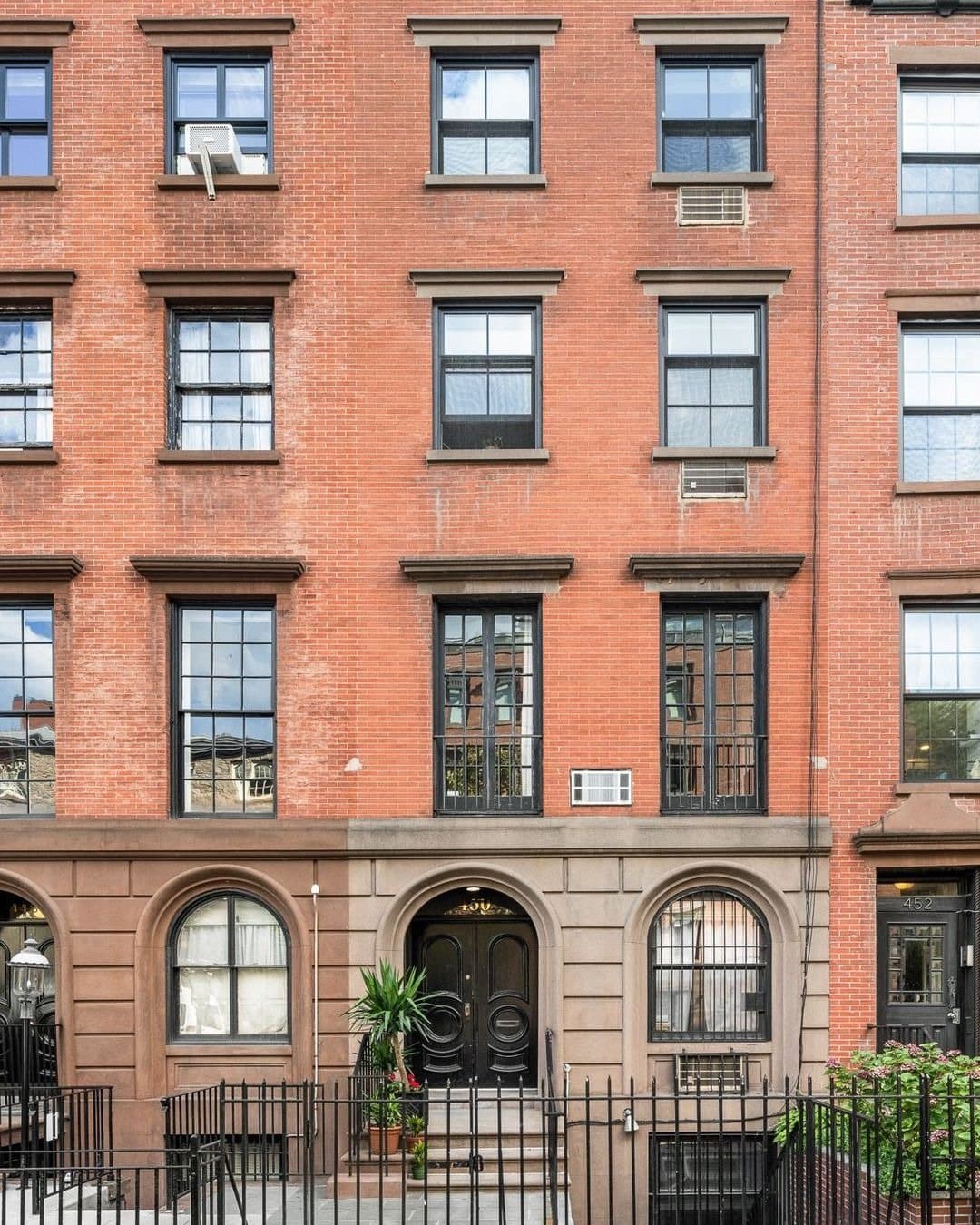
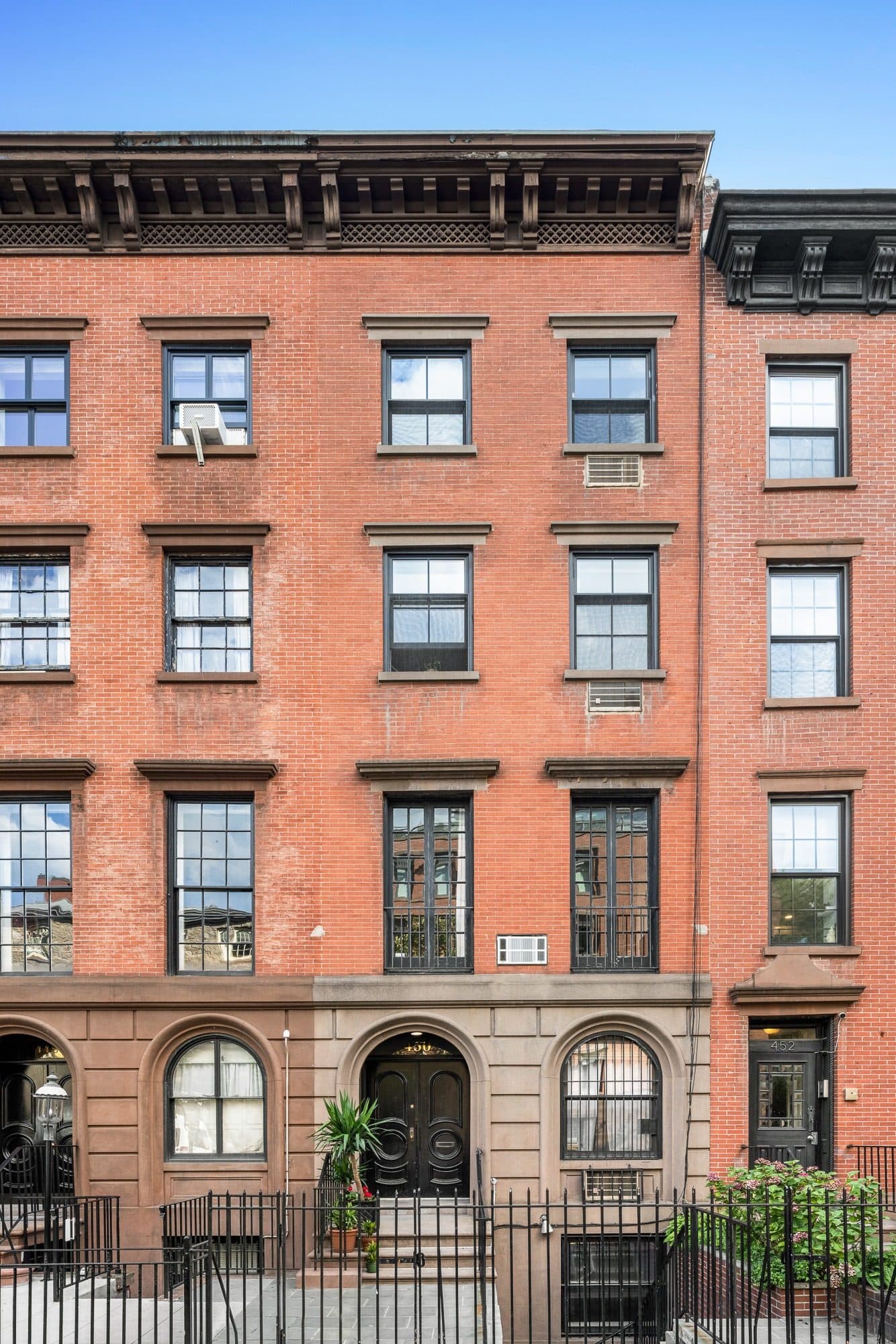
$7,500/moThe three houses at 446 through 450 West 20th Street went up in 1854, the work of a builder named Caleb O. Terrill, on the south side of the block that faces the General Theological Seminary's walled campus. Terrill did not live to see the row settled; he died in October 1855, and his estate auctioned two of the houses the following spring. The design was Anglo-Italianate, then the newest taste on the block: sixteen-foot fronts, low porches a few steps above the sidewalk in place of the high Greek Revival stoops of Cushman Row down the street, rusticated brownstone parlor floors with round-arched openings, red brick above with brownstone trim, and a pressed-metal cornice whose bosses push through diamond-shaped openings in a honeycomb pattern that still crowns the row.
This is the oldest corner of Chelsea. Clement Clarke Moore gave the seminary its grounds out of his family estate, and the row has looked across West 20th Street at those lawns and the chapel tower ever since. An 1865 renumbering gave the houses the addresses they keep today, and in 1970 the city drew the Chelsea Historic District around the block.
No. 450's longest residents were Frank and Harriet Maxwell Converse. Frank was the most famous banjoist of his century, the man the papers called the Father of the Banjo, whose method books taught the instrument to a generation. Harriet was grander still: a poet and advocate adopted by the Seneca and made a chief of the Six Nations, the only white woman ever so named. When she died in 1903, months after her husband, her collection of Iroquois artifacts went to the American Museum of Natural History.
The house kept drawing its characters. The composer Nicolas Nabokov, first cousin of Vladimir, lived here until his death in 1978. And two doors west at No. 454, in April 1951, Jack Kerouac fed a 120-foot scroll of taped-together paper into his typewriter and drafted On the Road in three weeks. In 1968 the house was converted to one apartment per floor, the arrangement it keeps: four floors, four homes.
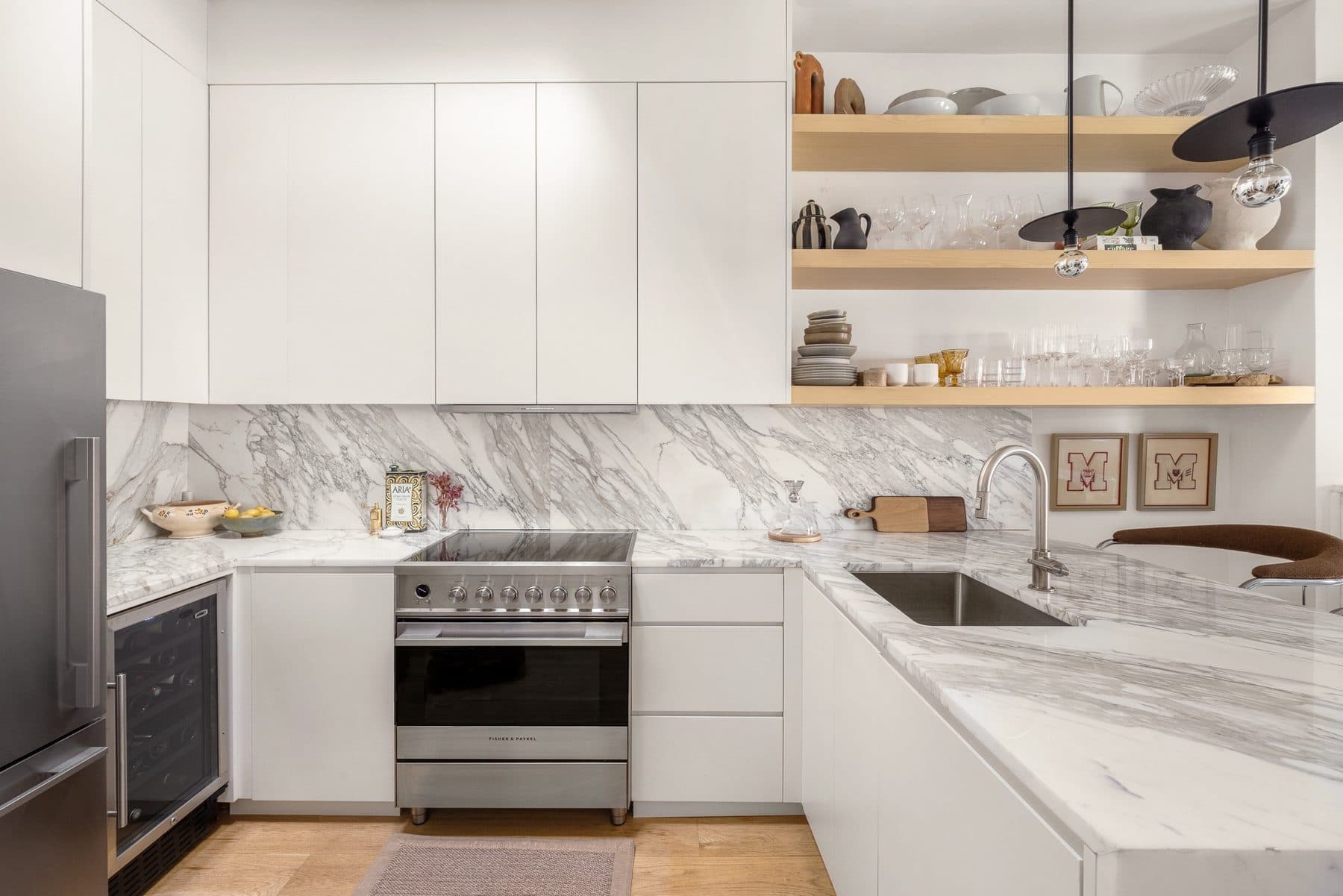
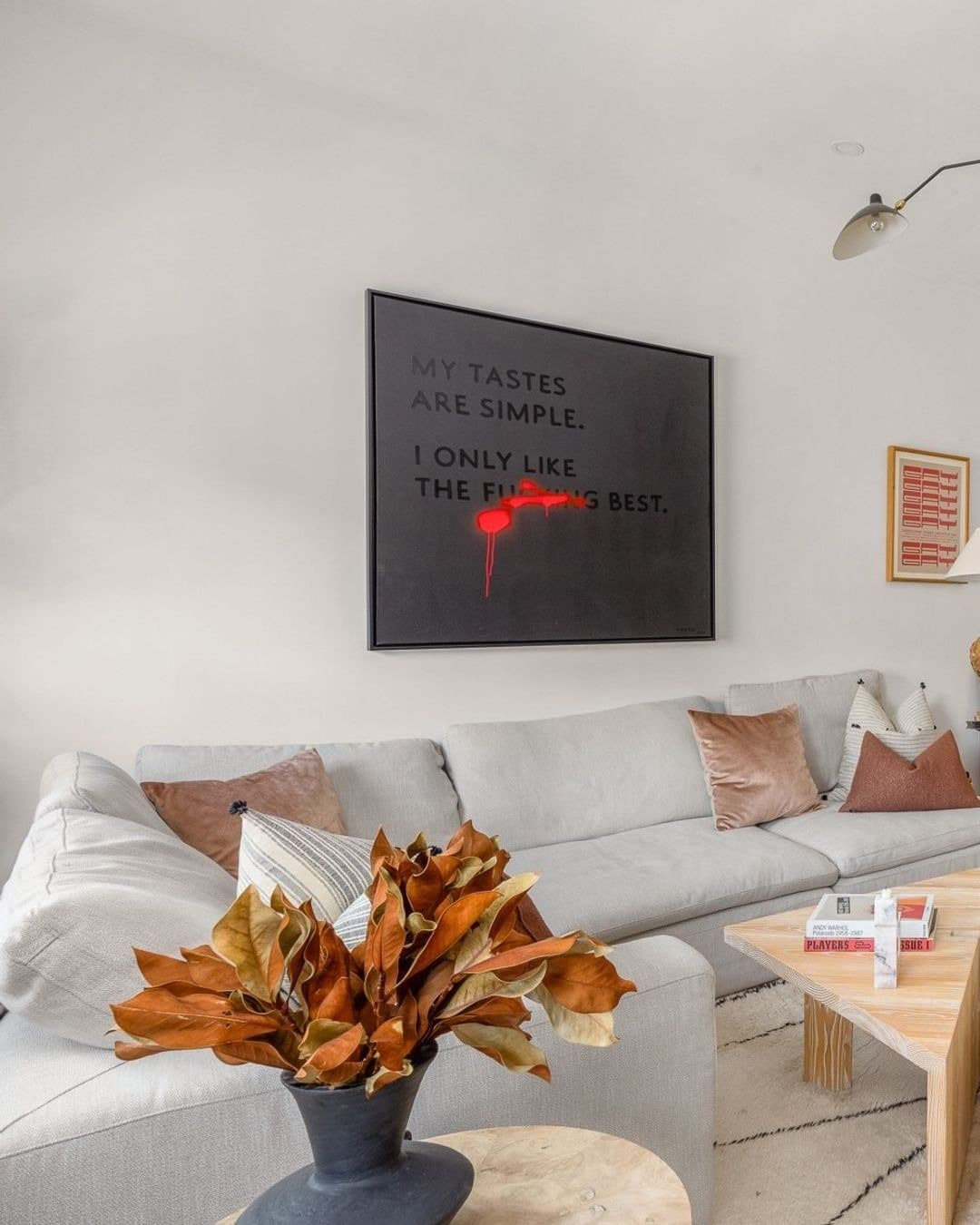
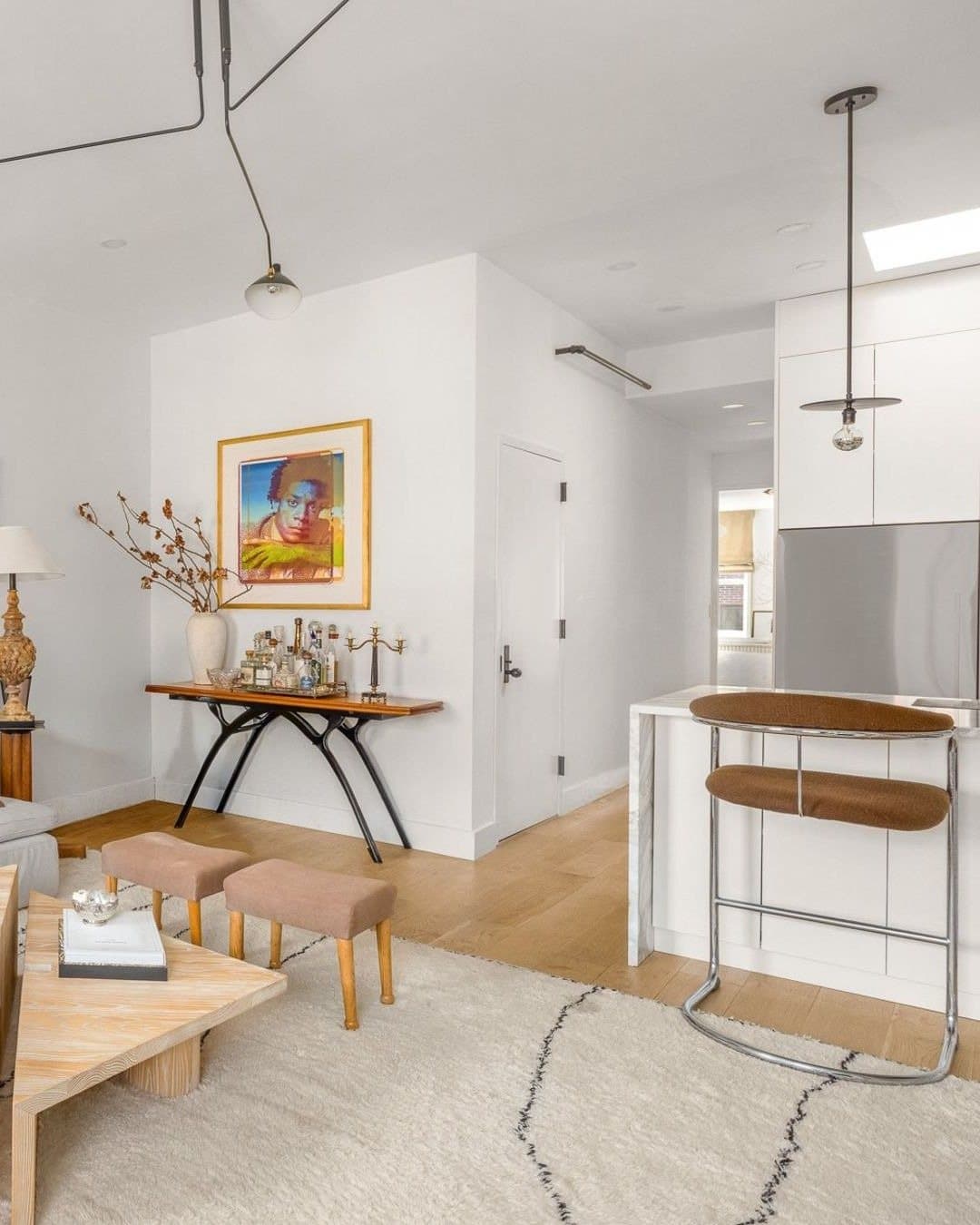
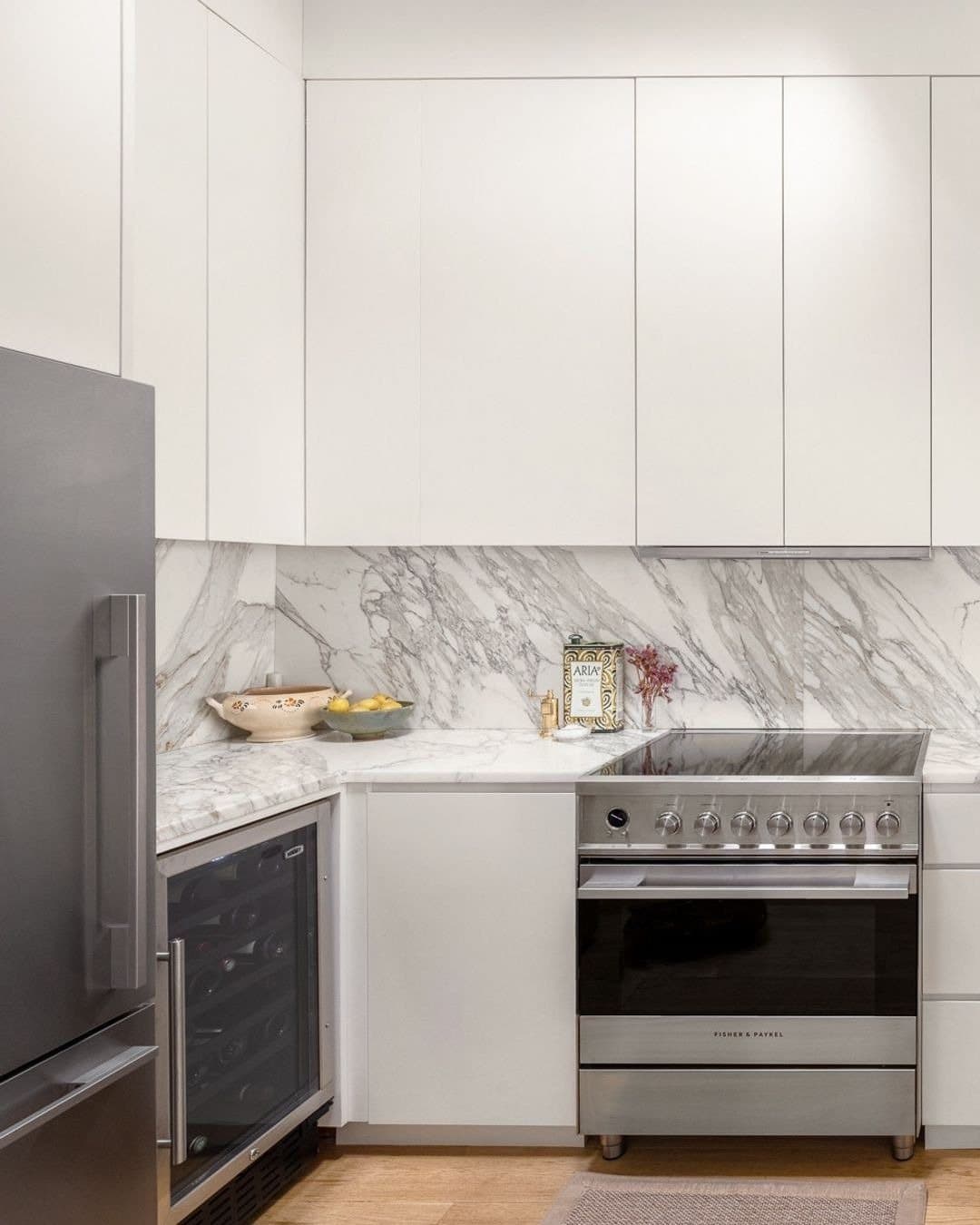
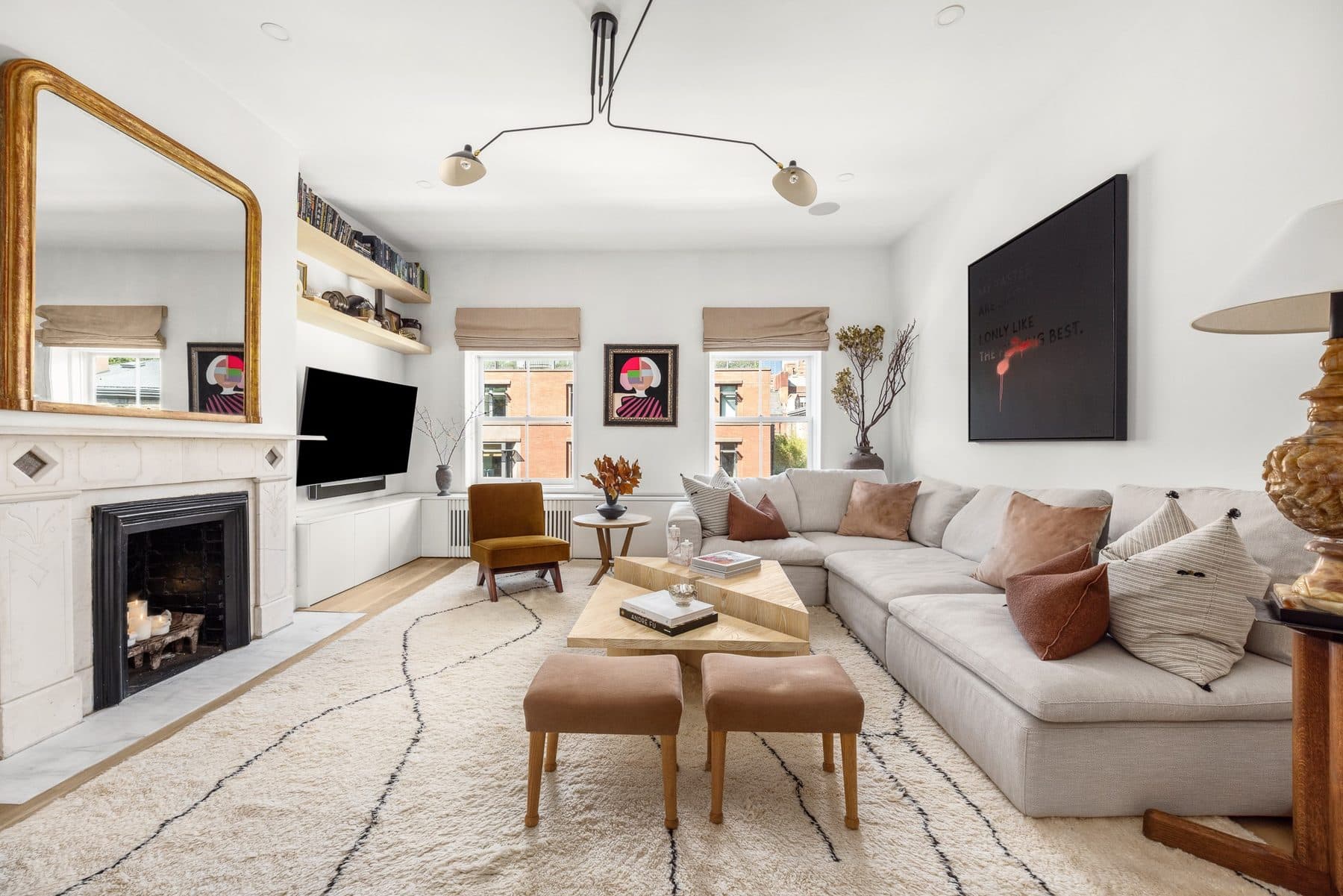
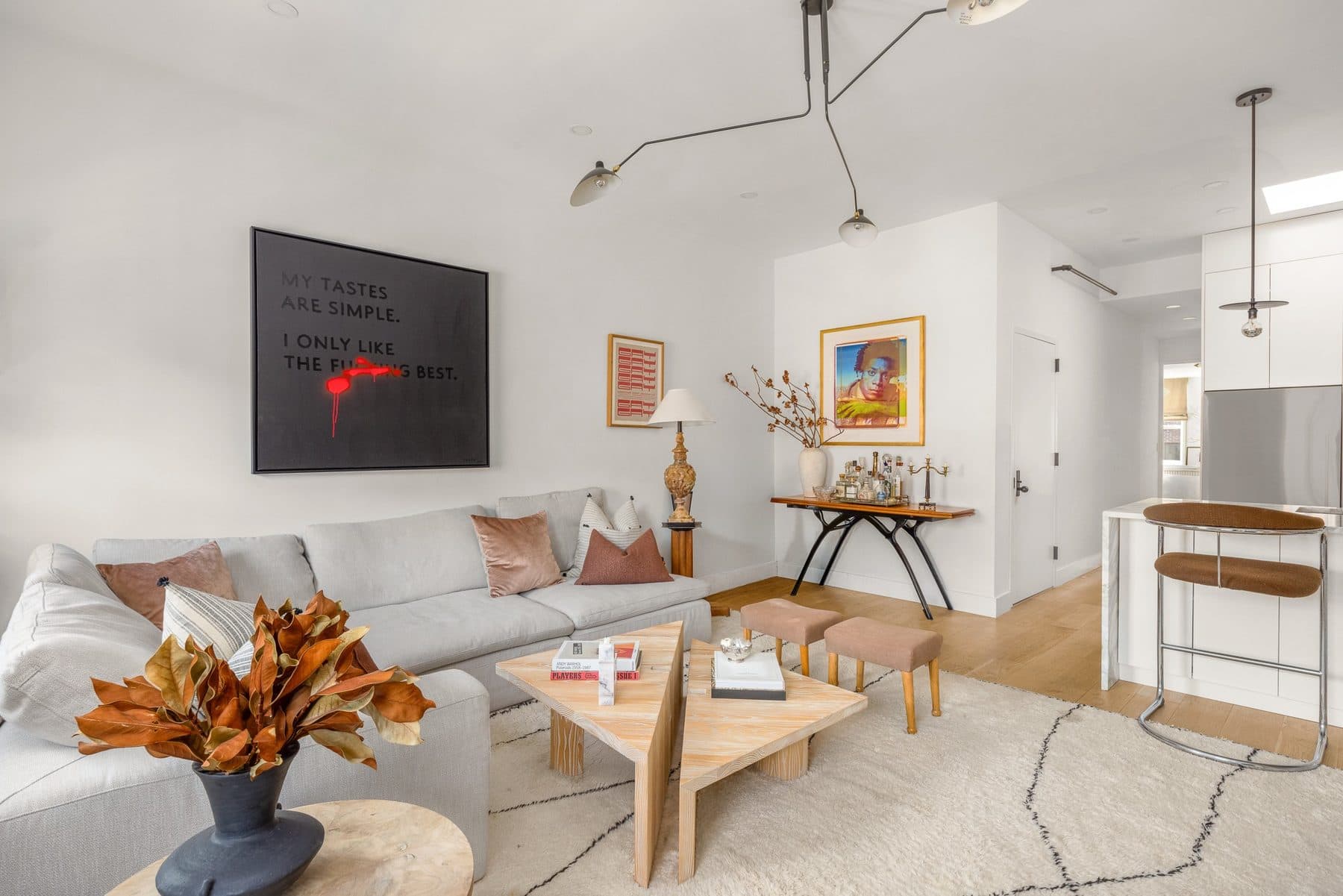
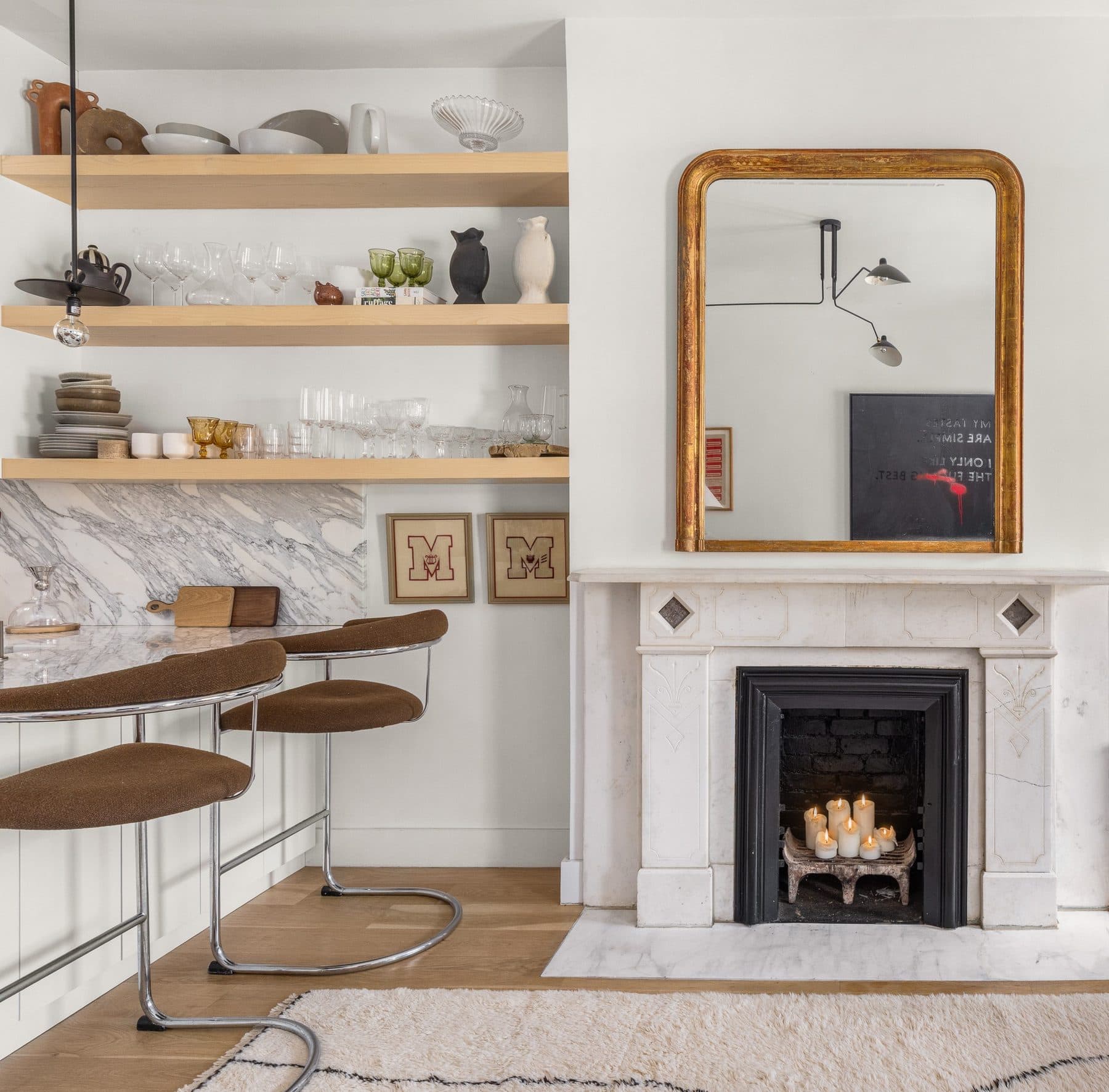
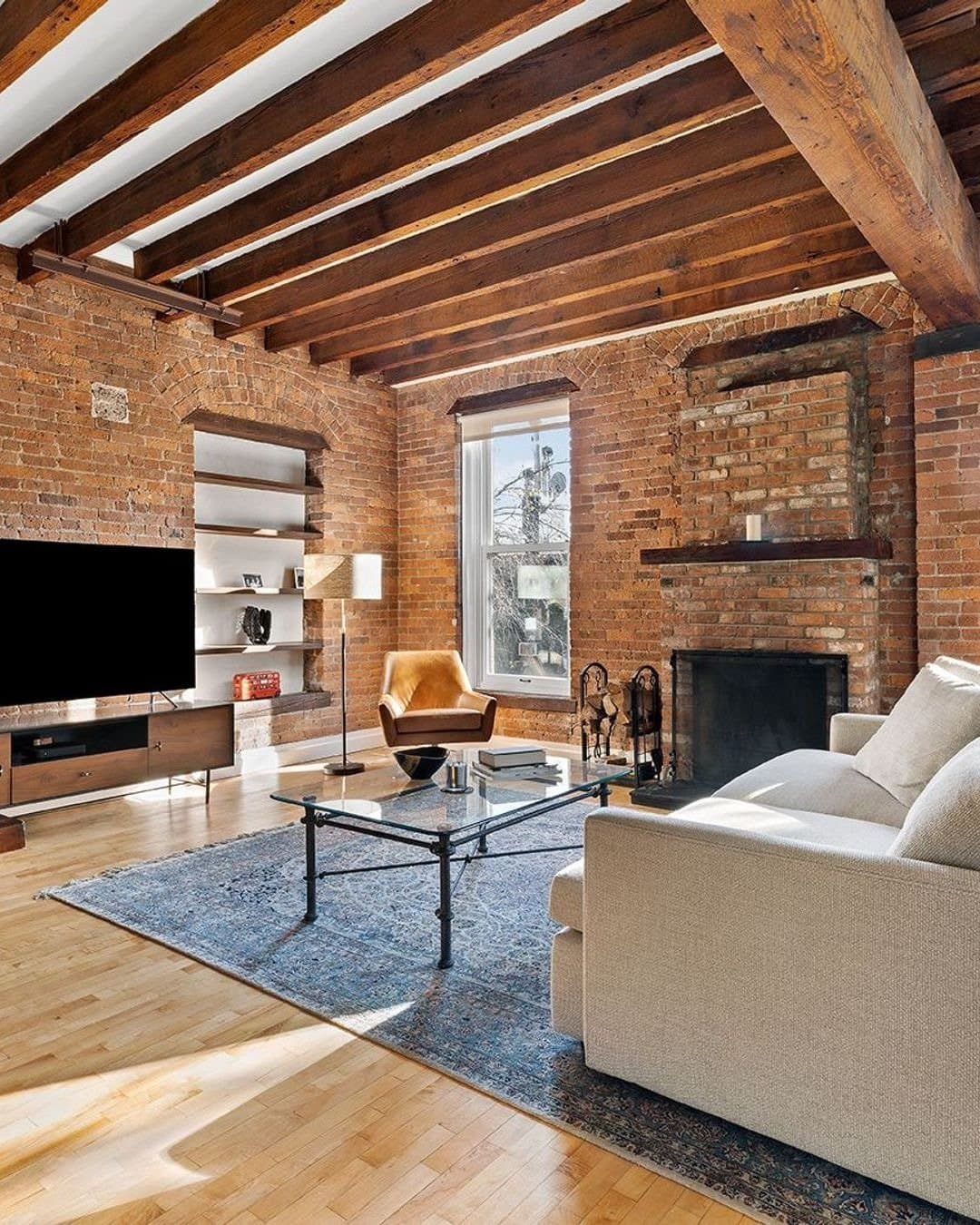
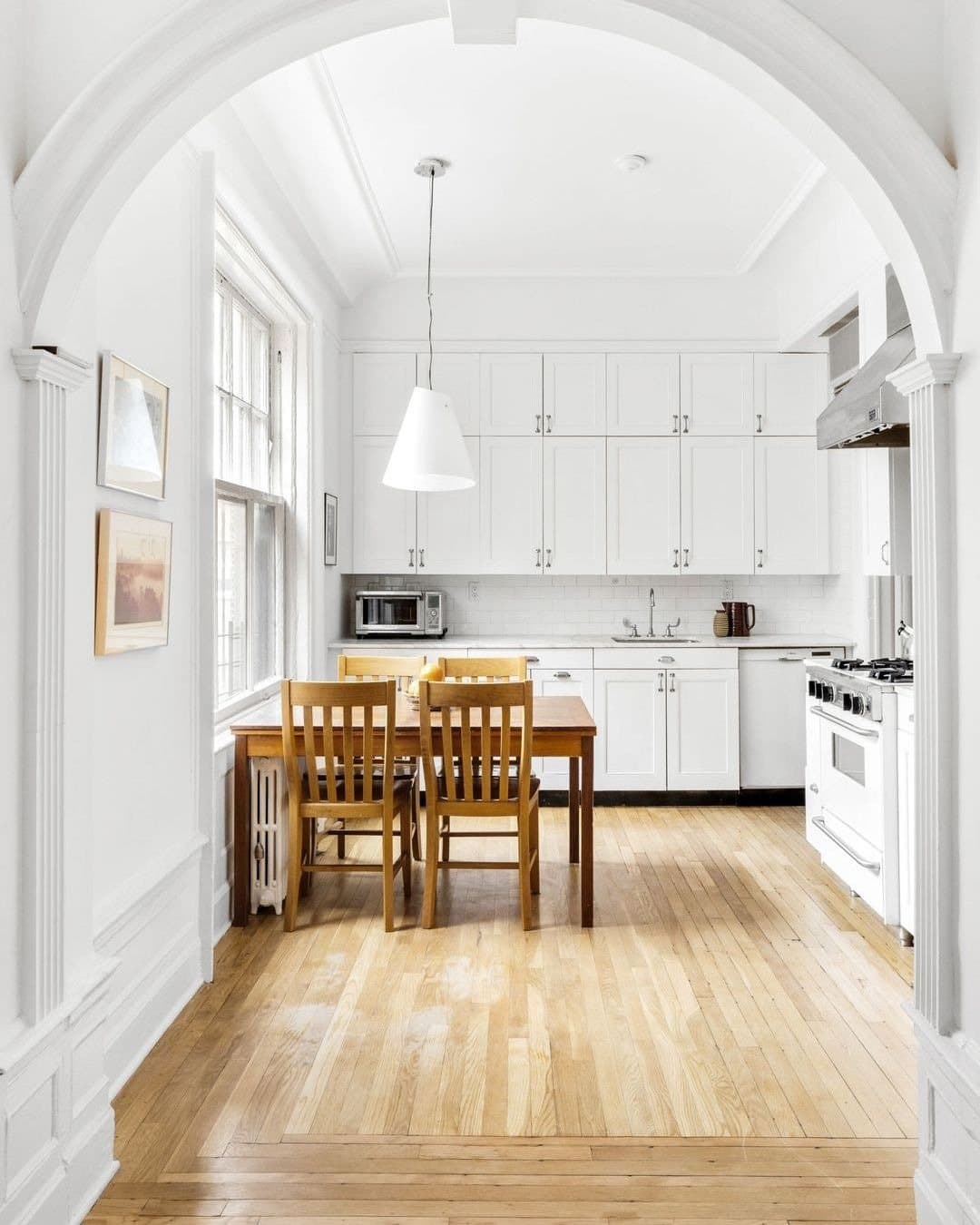
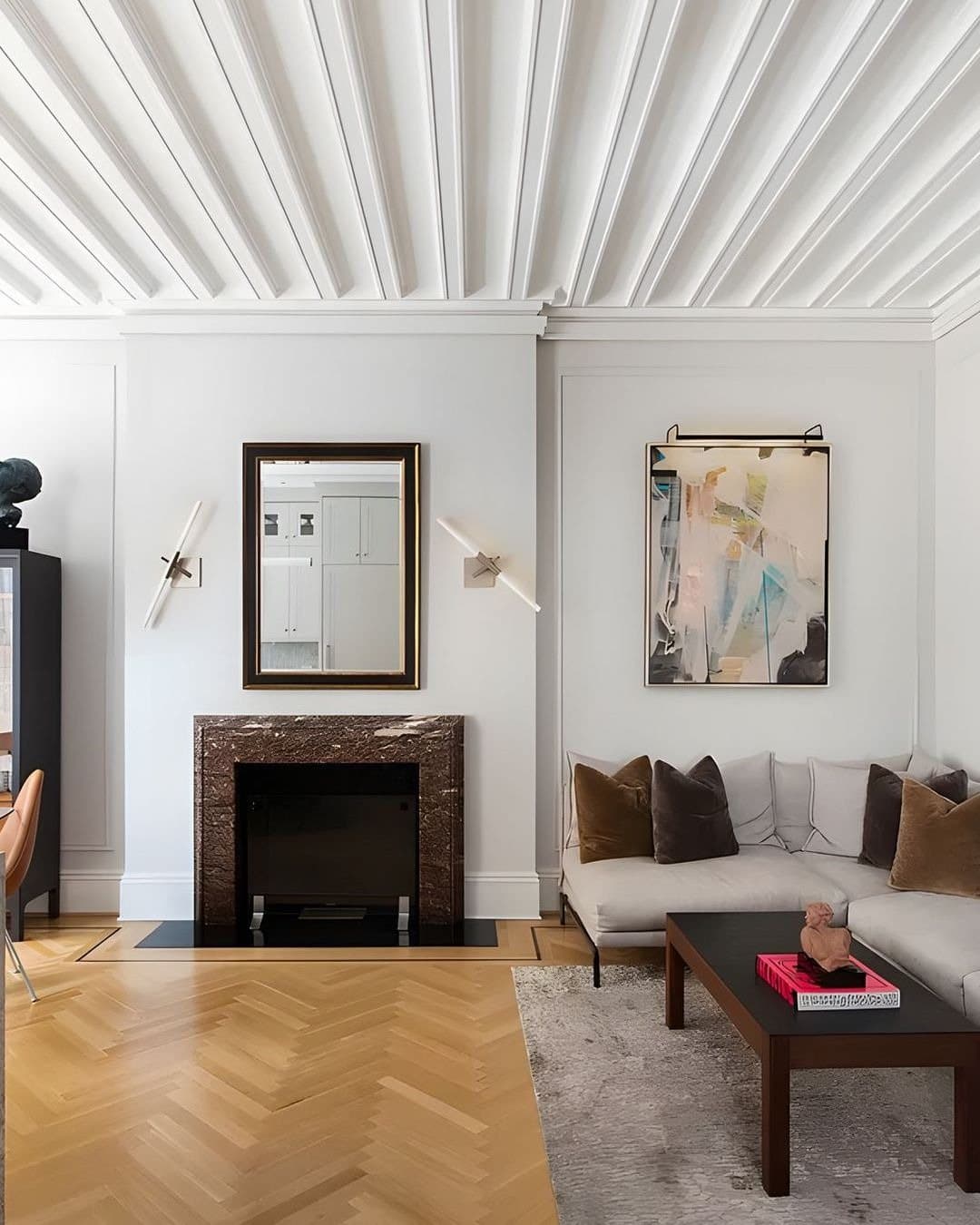
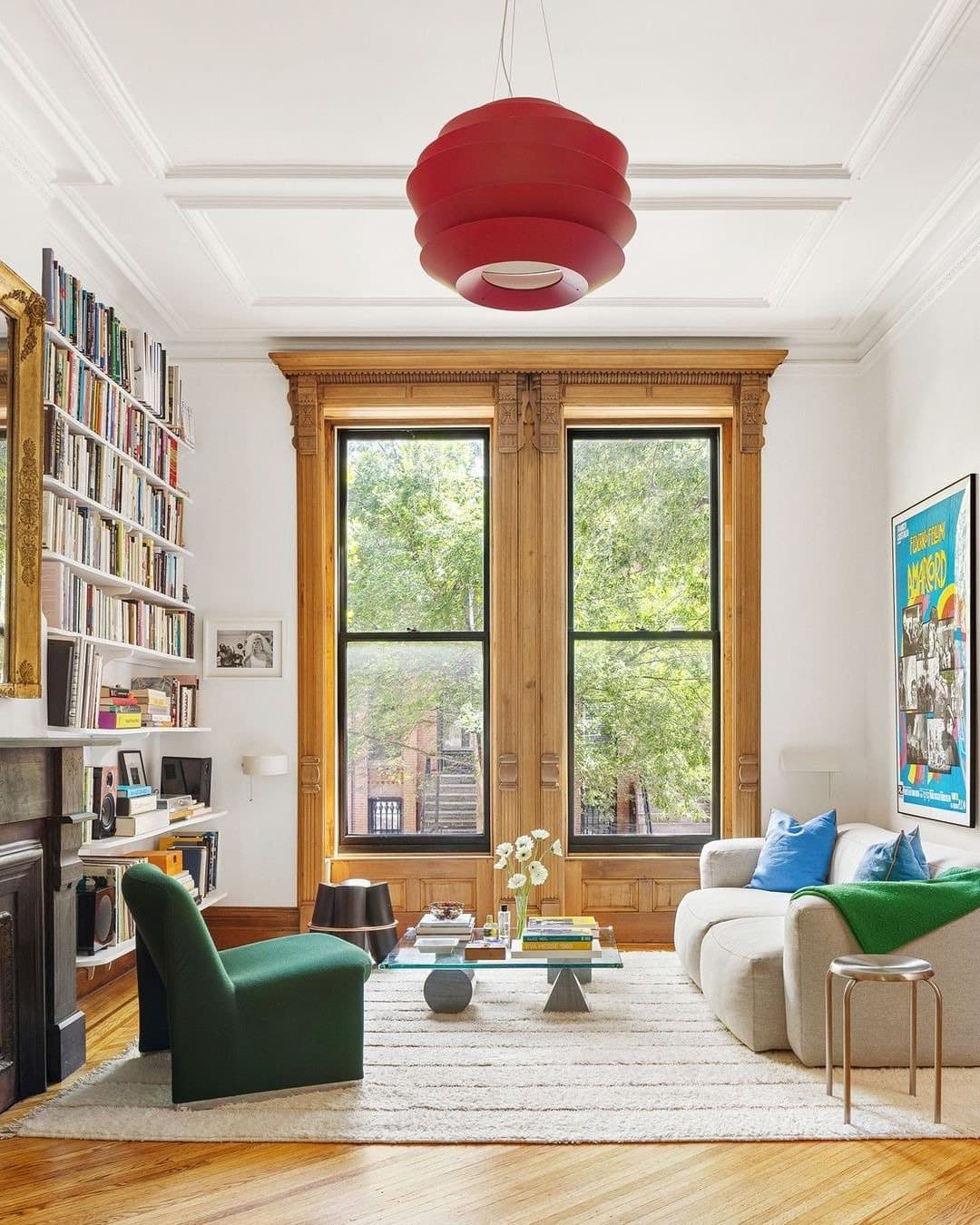
The penthouse is the whole fourth floor, four short flights up, gut renovated down to new systems. The stair lands in a loft-like living and dining room: floor-to-ceiling built-in bookshelves, a decorative mantel, refinished hardwood floors. The open kitchen sits under a skylight, fitted with stainless steel appliances.
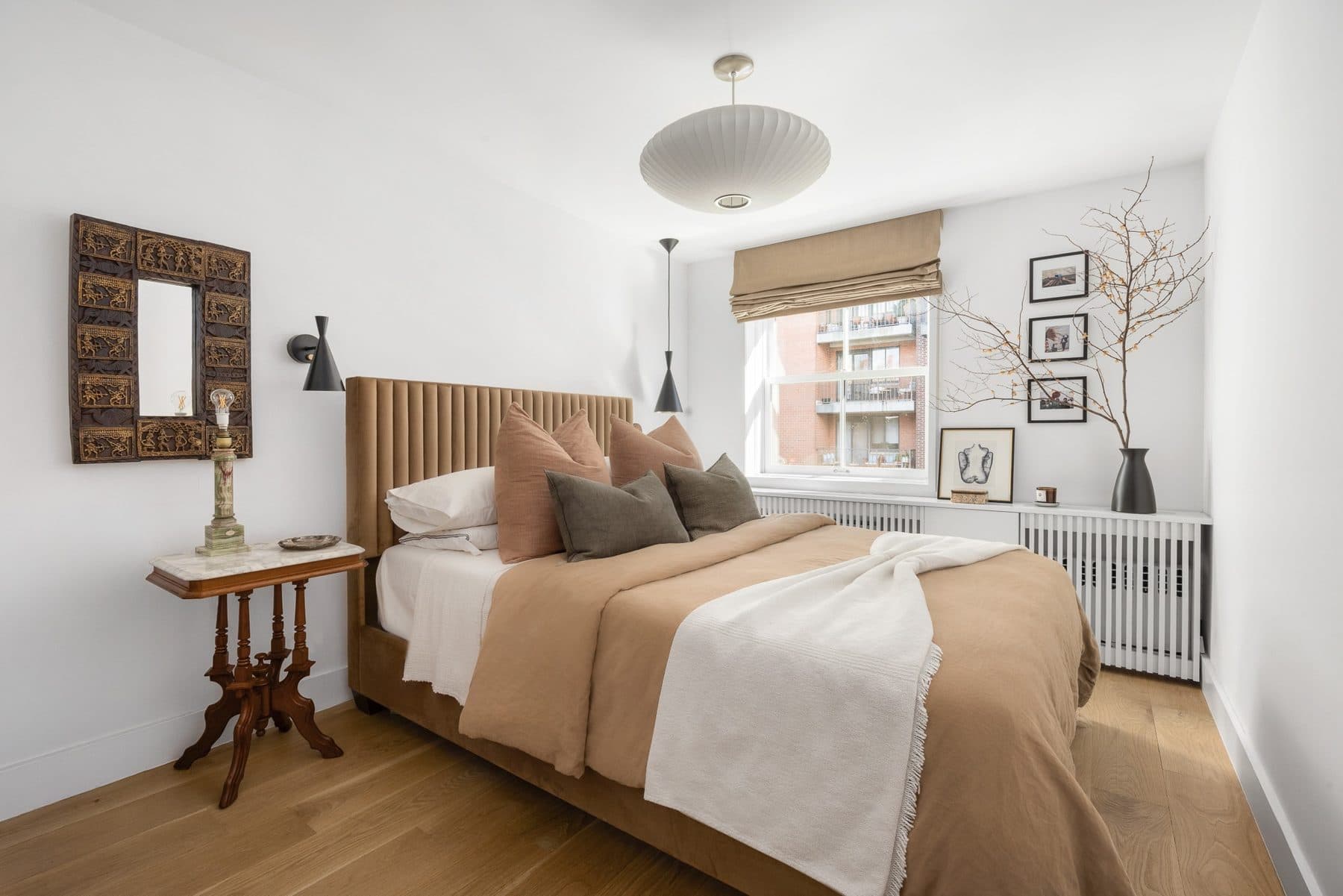
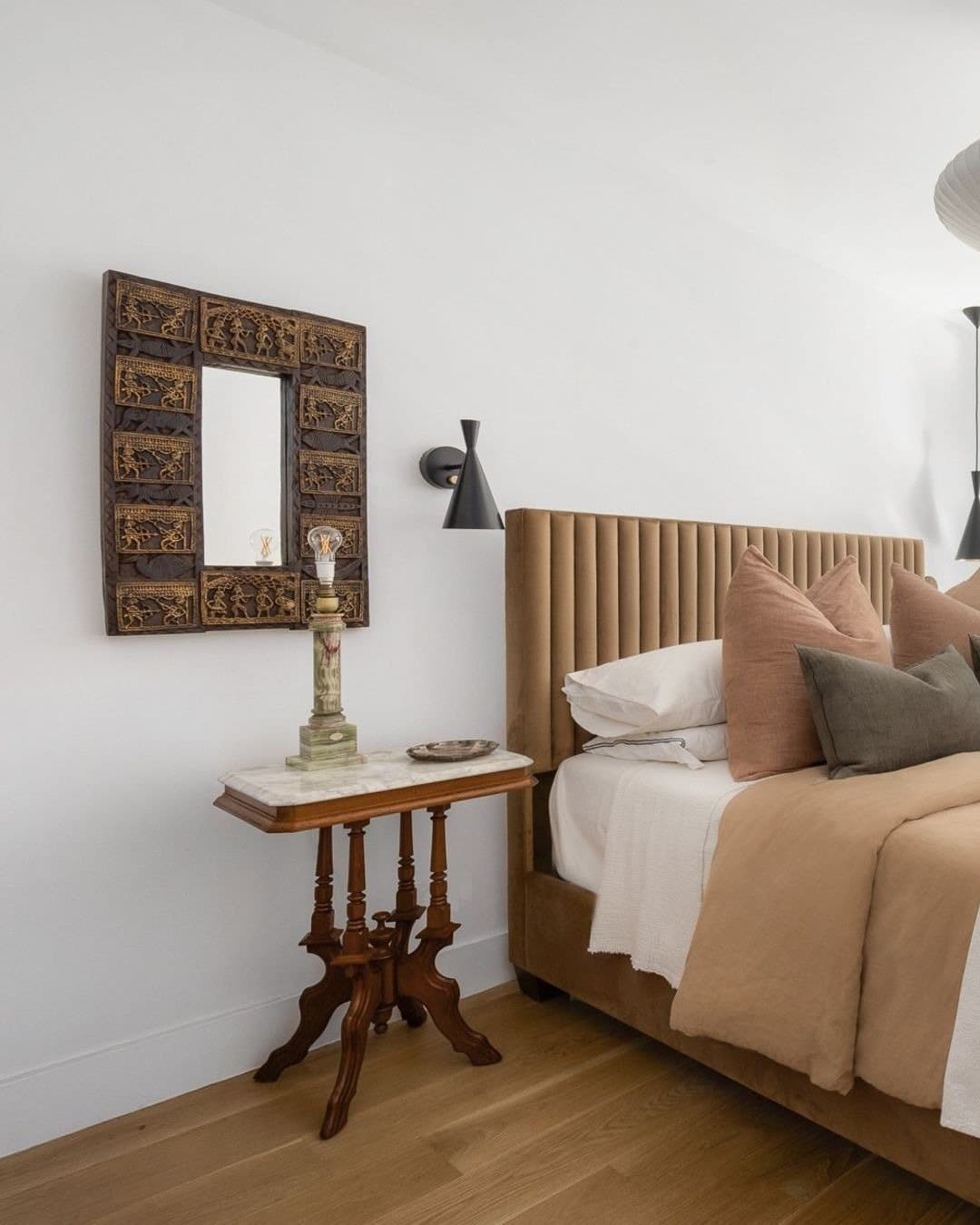
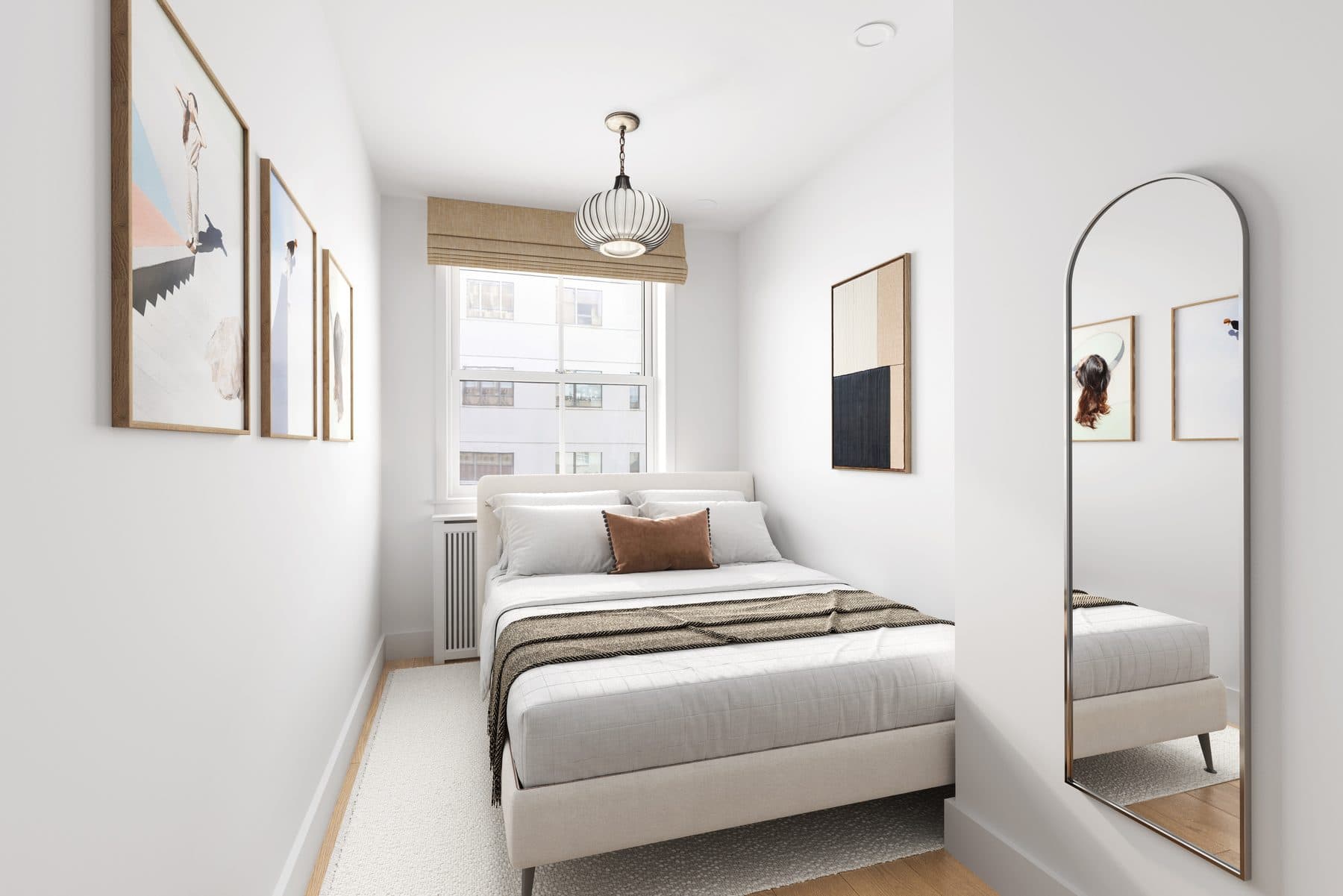
To the south, over the row's back gardens, two quiet rooms take the light: use them as two bedrooms, or as a primary bedroom with a home office or a walk-in dressing room. A common roof deck sits above. The apartment rents furnished or unfurnished, with no fee, on a twelve-month lease; dogs are considered case by case.



The details
What should I know about 450 West 20th Street?
An 1854 Anglo-Italianate rowhouse on Chelsea's Seminary Block, one of three by builder Caleb O. Terrill facing the General Theological Seminary, converted to one apartment per floor in 1968, inside the Chelsea Historic District; once home to Frank Converse, the Father of the Banjo, and Harriet Maxwell Converse, chief of the Six Nations.
Where is 450 West 20th Street?
450 West 20th Street is located in Chelsea, Manhattan, New York.
How many bedrooms and bathrooms does 450 West 20th Street have?
450 West 20th Street has 2 bedrooms and 1 bathroom.
When was 450 West 20th Street built?
450 West 20th Street is a co-op built in 1854.
How much is 450 West 20th Street?
450 West 20th Street was last offered at $7,500/mo.
Who is the listing agent for 450 West 20th Street?
450 West 20th Street is listed by Jennifer Regen, Compass.
This home is already rented. Browse other active listings below.
- Beds
- 2
- Baths
- 1
- Type
- Co-op
- Built
- 1854
- Building
- An 1854 Anglo-Italianate rowhouse on Chelsea's Seminary Block, one of three by builder Caleb O. Terrill facing the General Theological Seminary, converted to one apartment per floor in 1968, inside the Chelsea Historic District; once home to Frank Converse, the Father of the Banjo, and Harriet Maxwell Converse, chief of the Six Nations.