Punta Pájaros
Rates on requestBook by the night, direct with the property
Photography: Rob Goldstein, on film
Punta Pájaros is not for everyone, and that's ok. The first villas went up in 2017, designed by Alberto Kalach at the direction of Luis Urrutia, an environmental engineer who has his hands in a lot of things, and not just here. There's a hotel underway in Mexico City. There's the omakase counter down the road. And outside Madrid there's a ten-room hotel in a vineyard, Alto de Pioz, that his family, the Sodis, is building with Tadao Ando. The family has been quietly shaping this stretch of Oaxaca for about a decade now.
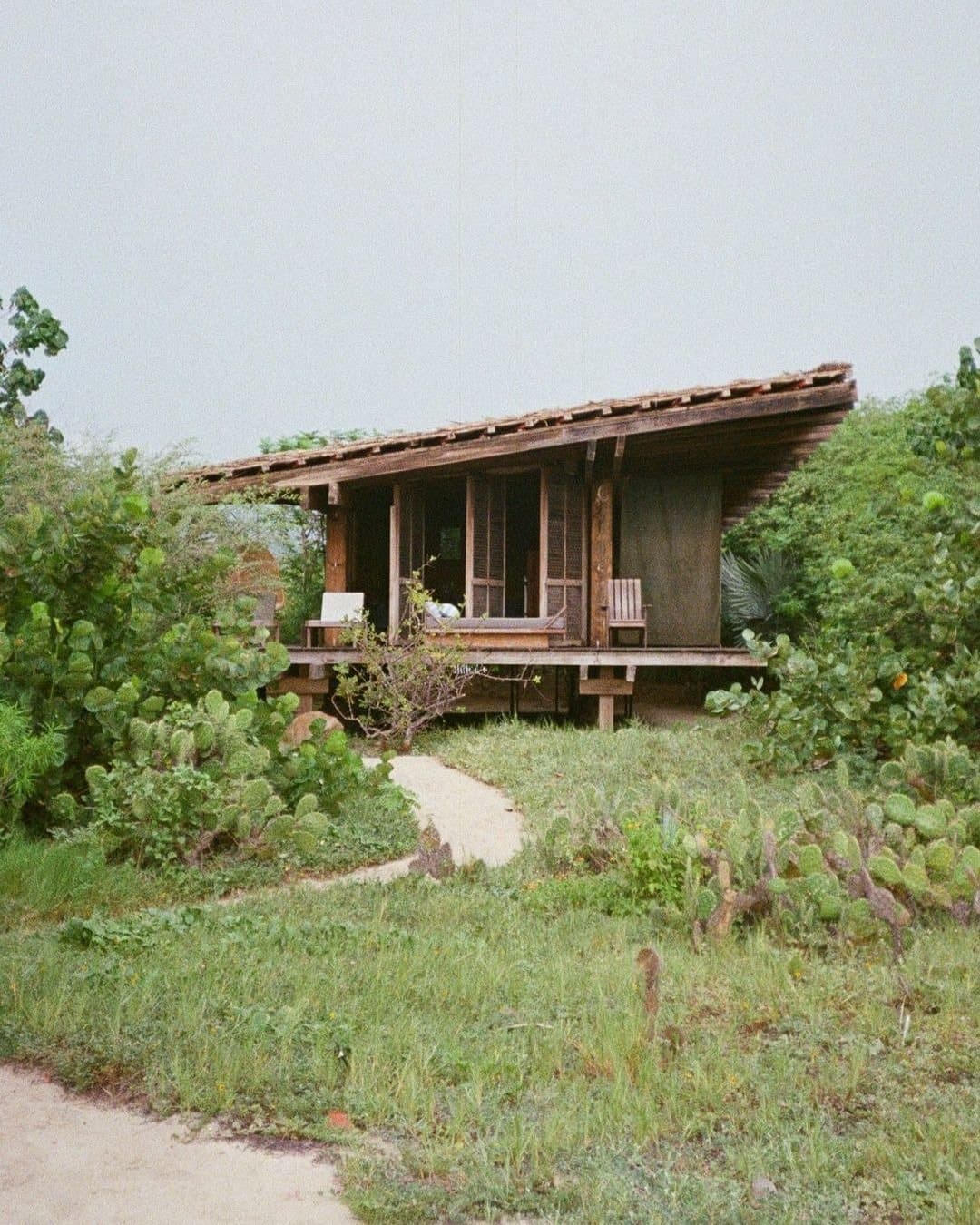
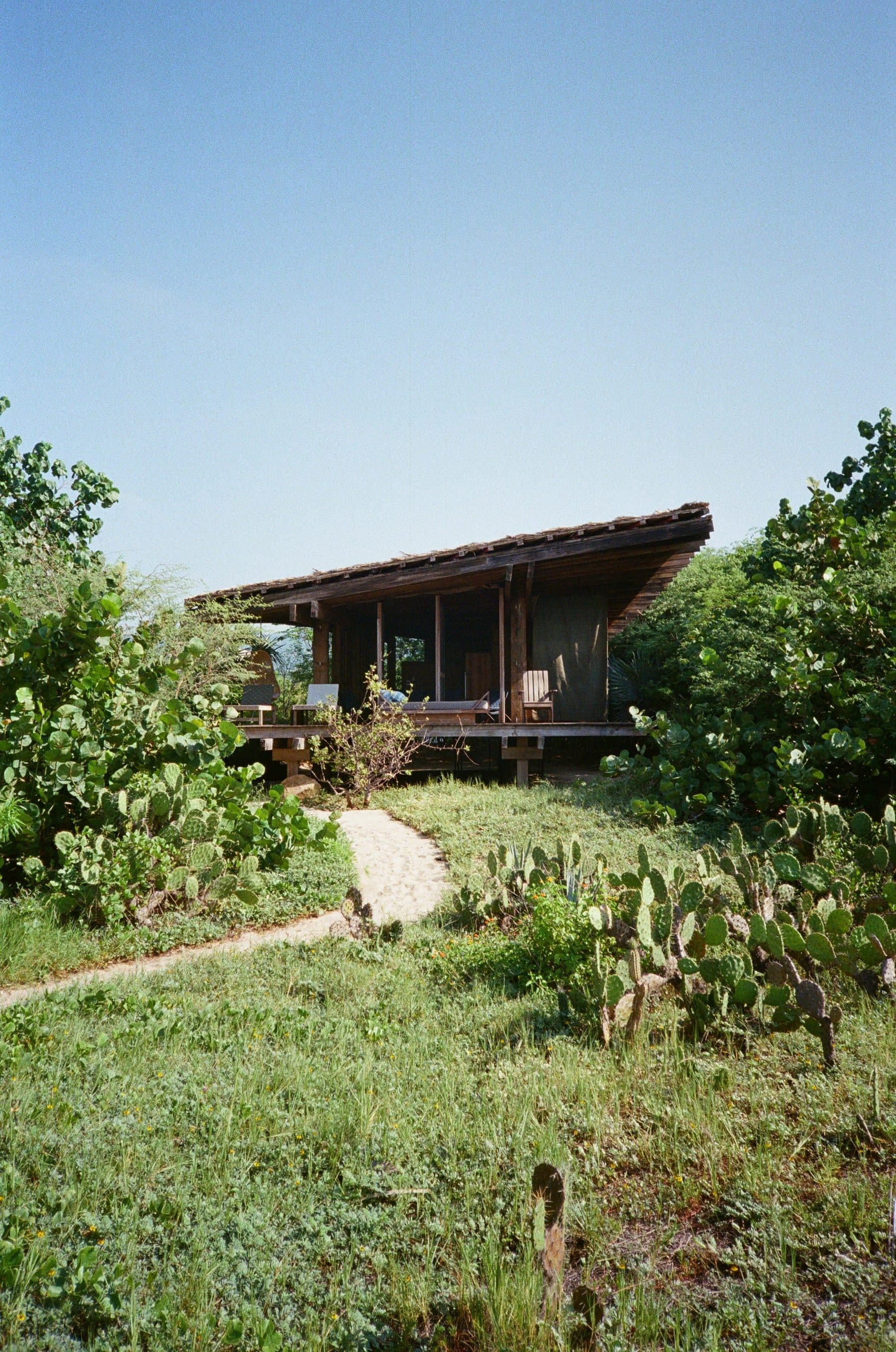
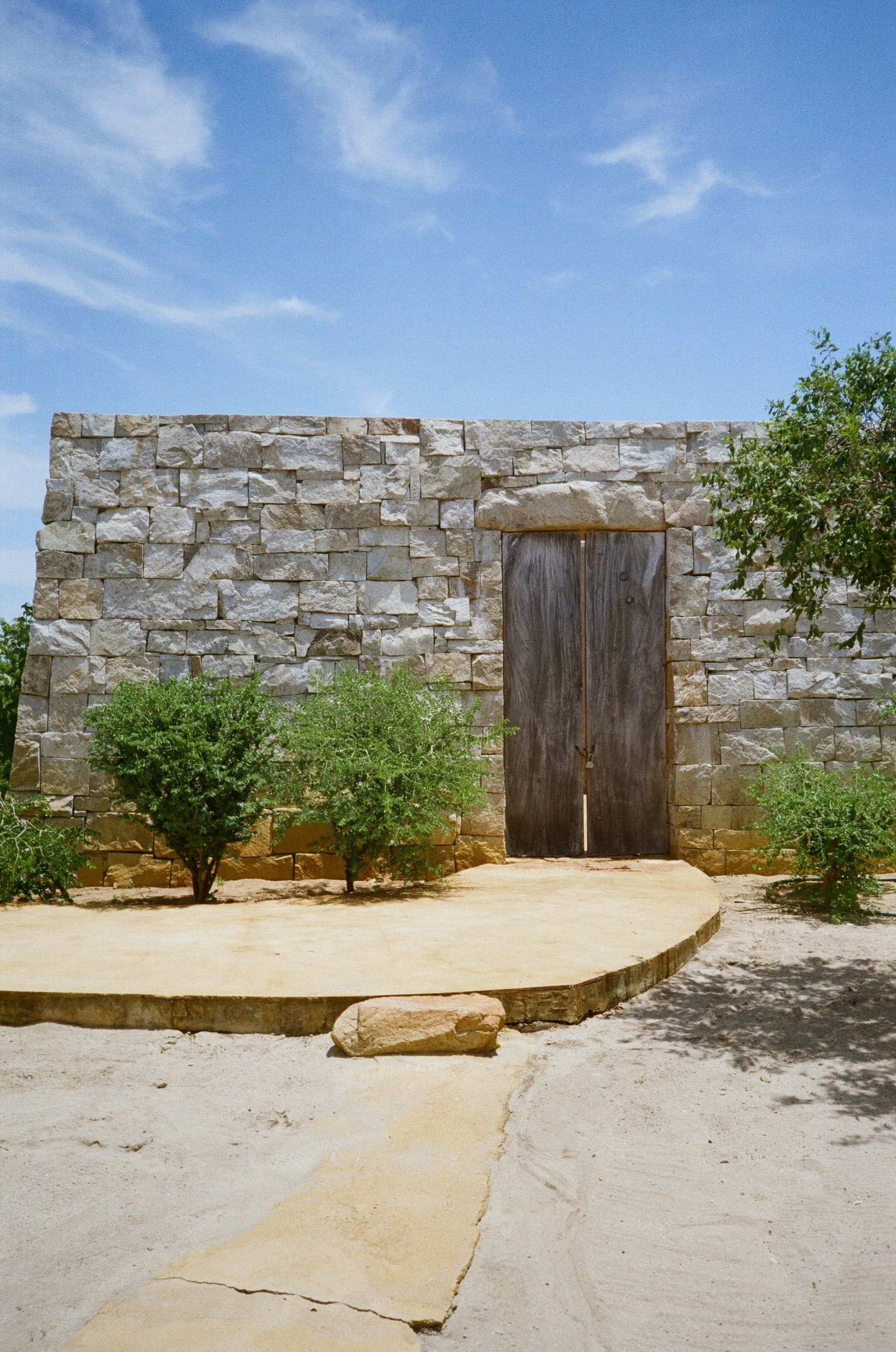
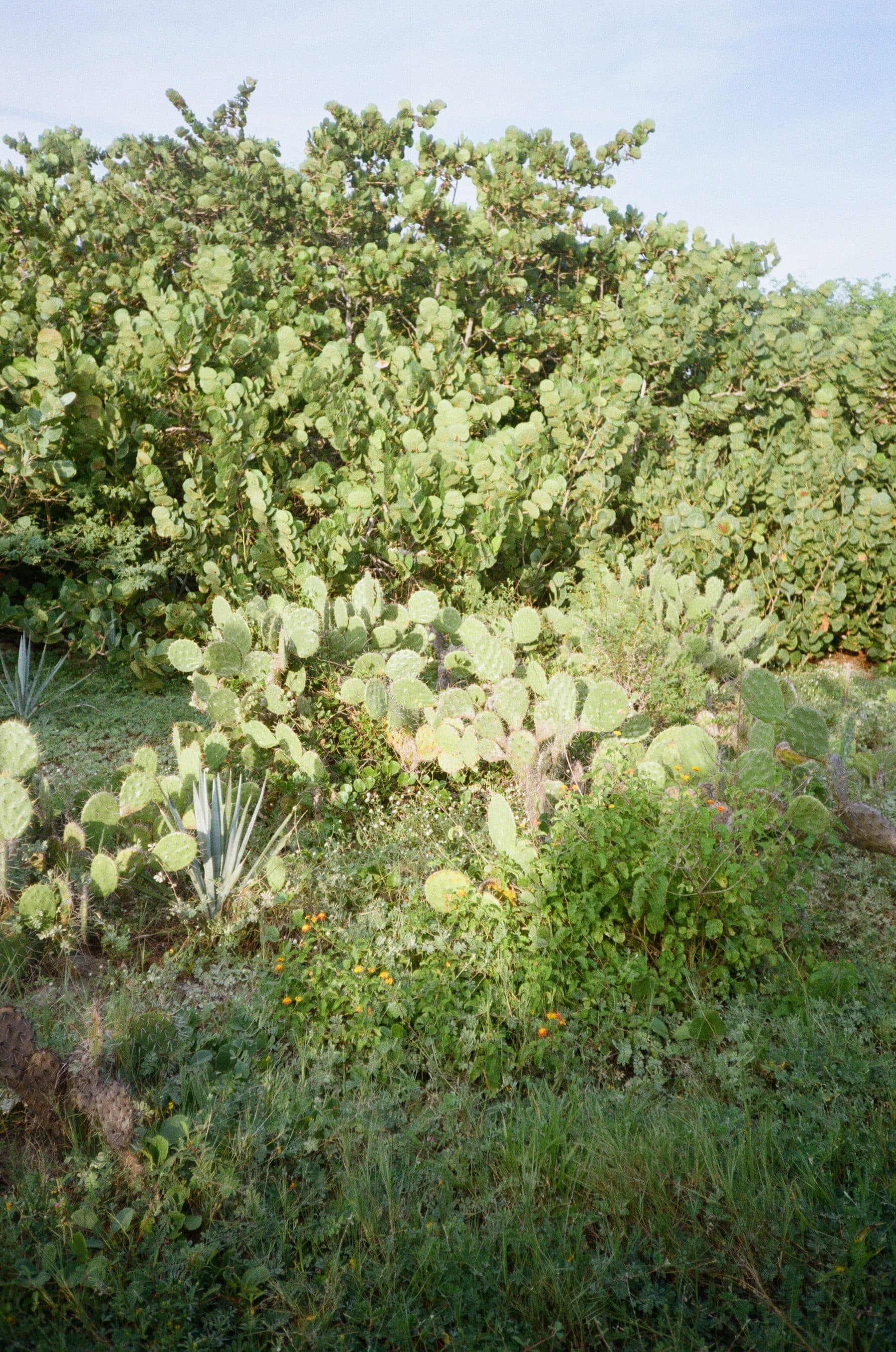
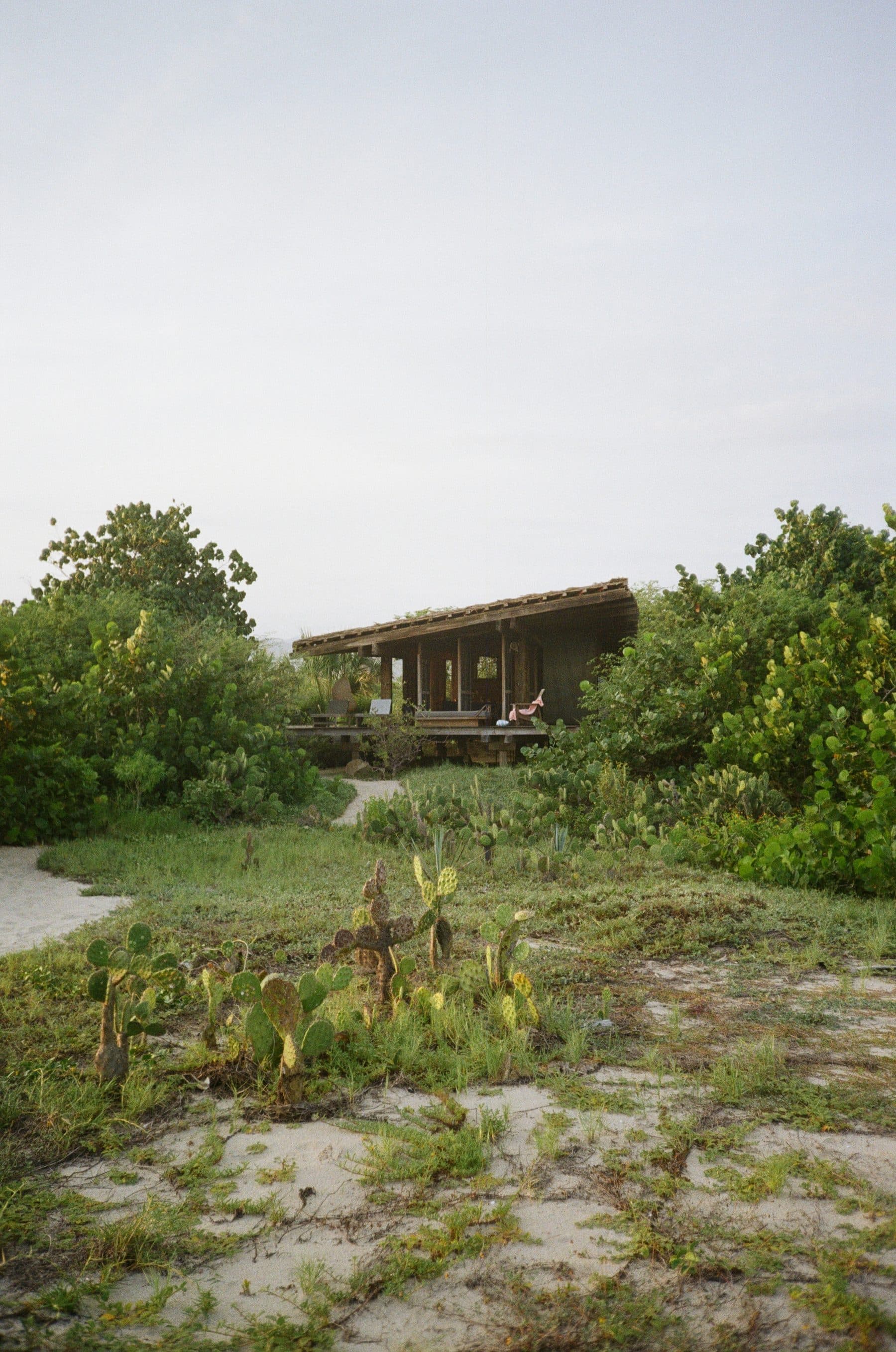
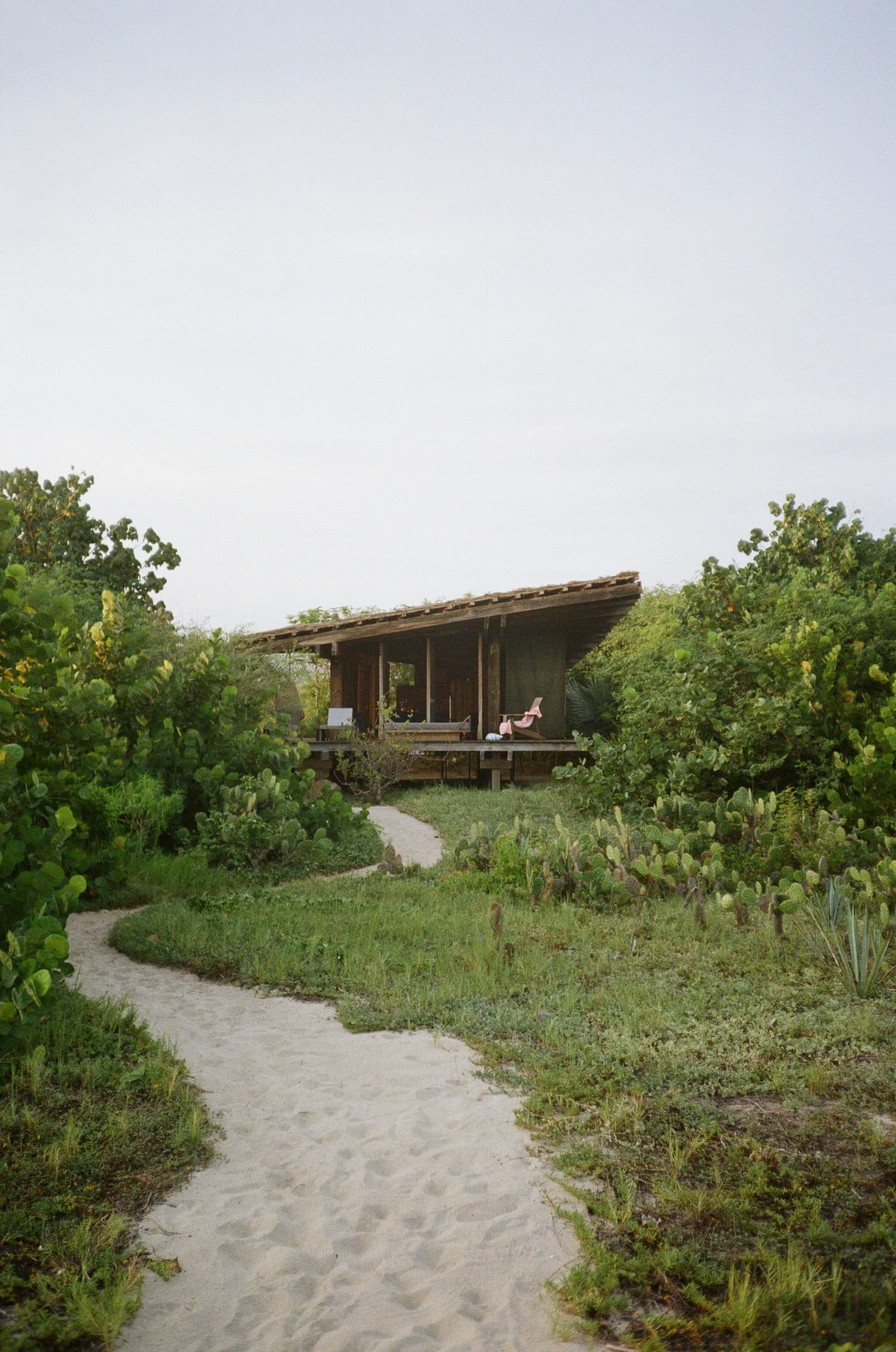
Luis and Kalach go back further than any of it. They met when Luis was working for a construction company on Reforma 27, Kalach's residential tower on Paseo de la Reforma in Mexico City, finished in 2010. A high-rise in the densest part of the capital, which is about the opposite of a villa on stilts by the ocean. Punta Pájaros wasn't even an idea yet. The land here was farmed bare until 2012. Luis bought it, planted it back with acacia, mesquite, gumbo-limbo and lantana, and only once the trees were in did he let Kalach put buildings on a fraction of it. There are eleven villas now, one to three bedrooms each, on about six acres with 250 meters of beach in front.
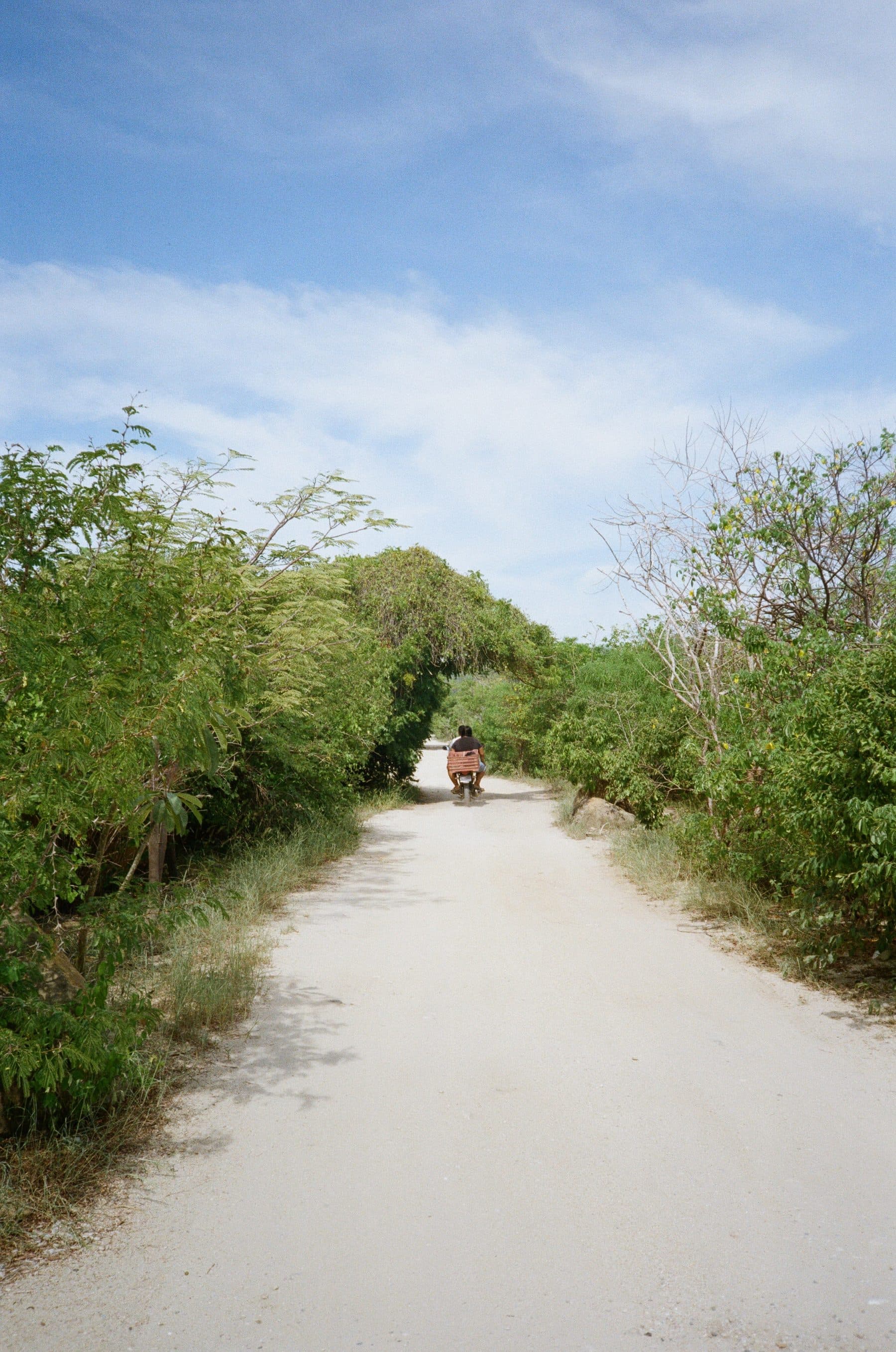
The property is about thirty minutes west of Puerto Escondido, on a run of coast that has turned into one of the more considered addresses in Mexico without anyone really advertising it. Casa Wabi is next door, Bosco Sodi's foundation and residency behind Tadao Ando's 312-meter concrete wall, with pavilions by Kengo Kuma and Álvaro Siza on the grounds. Hotel Escondido and Hotel Terrestre share the beach. Meridiano, the gallery Axel Vervoordt and Tatsuro Miki built for Boris Vervoordt and Nicholas Olney, opened in 2023 a short drive up the road. Sodi's brother Claudio opened Cobarde, a mezcal bar, on this stretch in 2020. And Sodi's cousin is Luis.
The one thing the area has never had is an easy way in. That's changing. Kalach is also the architect of the new Puerto Escondido terminal, an 83,000-square-foot building that cools itself with open air instead of air conditioning and runs on solar, sized for 1.3 million passengers a year by 2027. Direct flights tend to follow terminals.
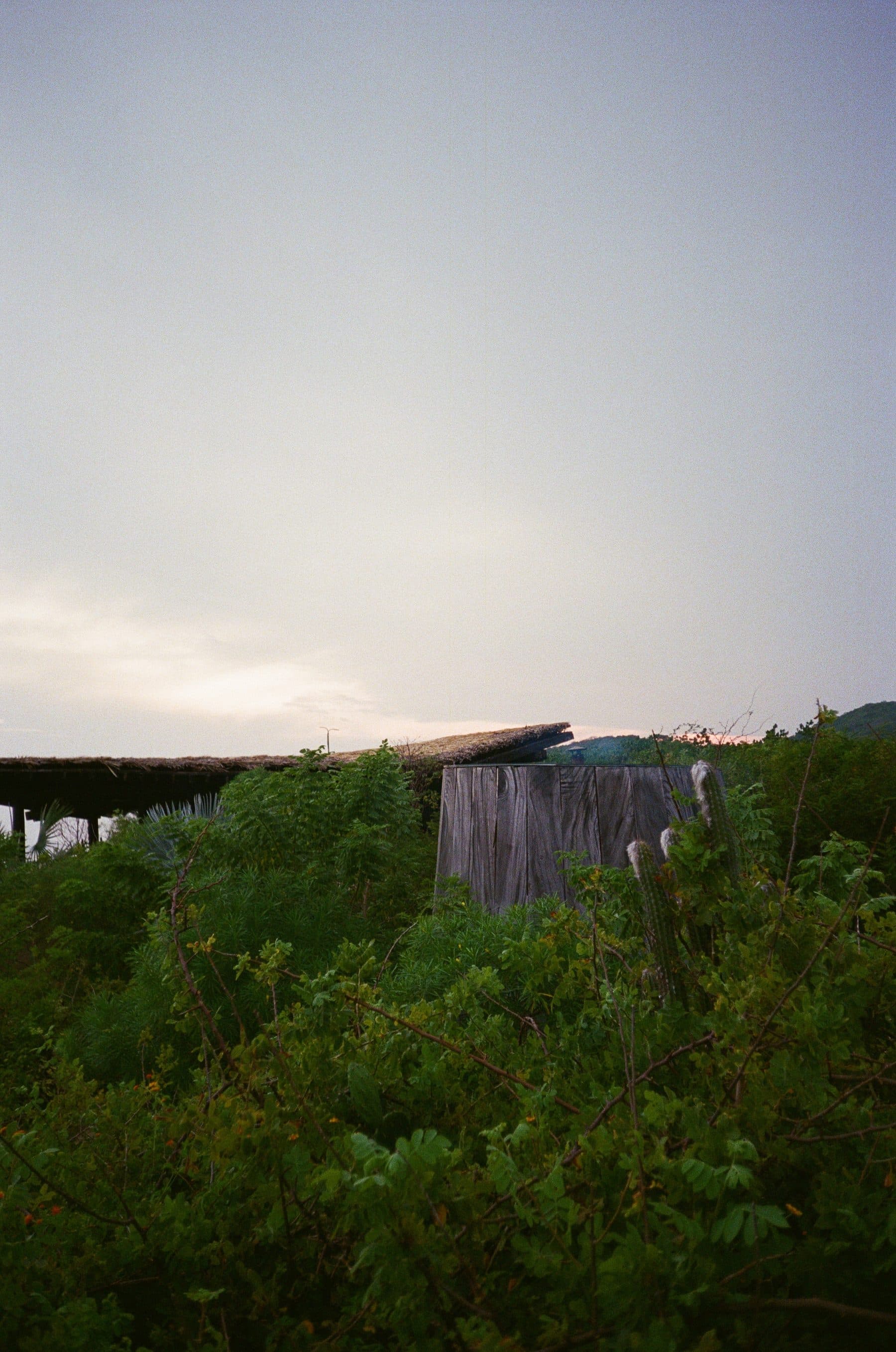
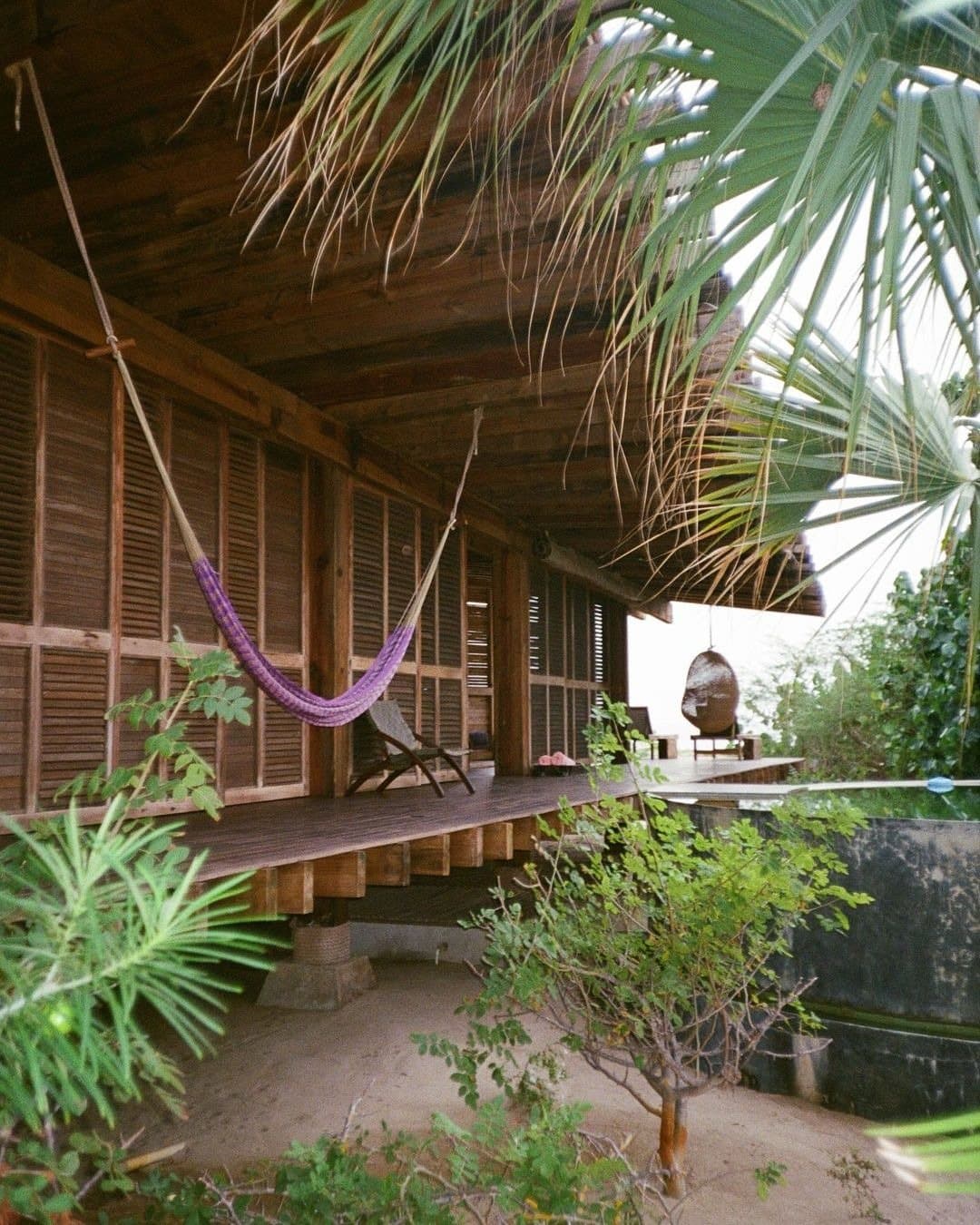
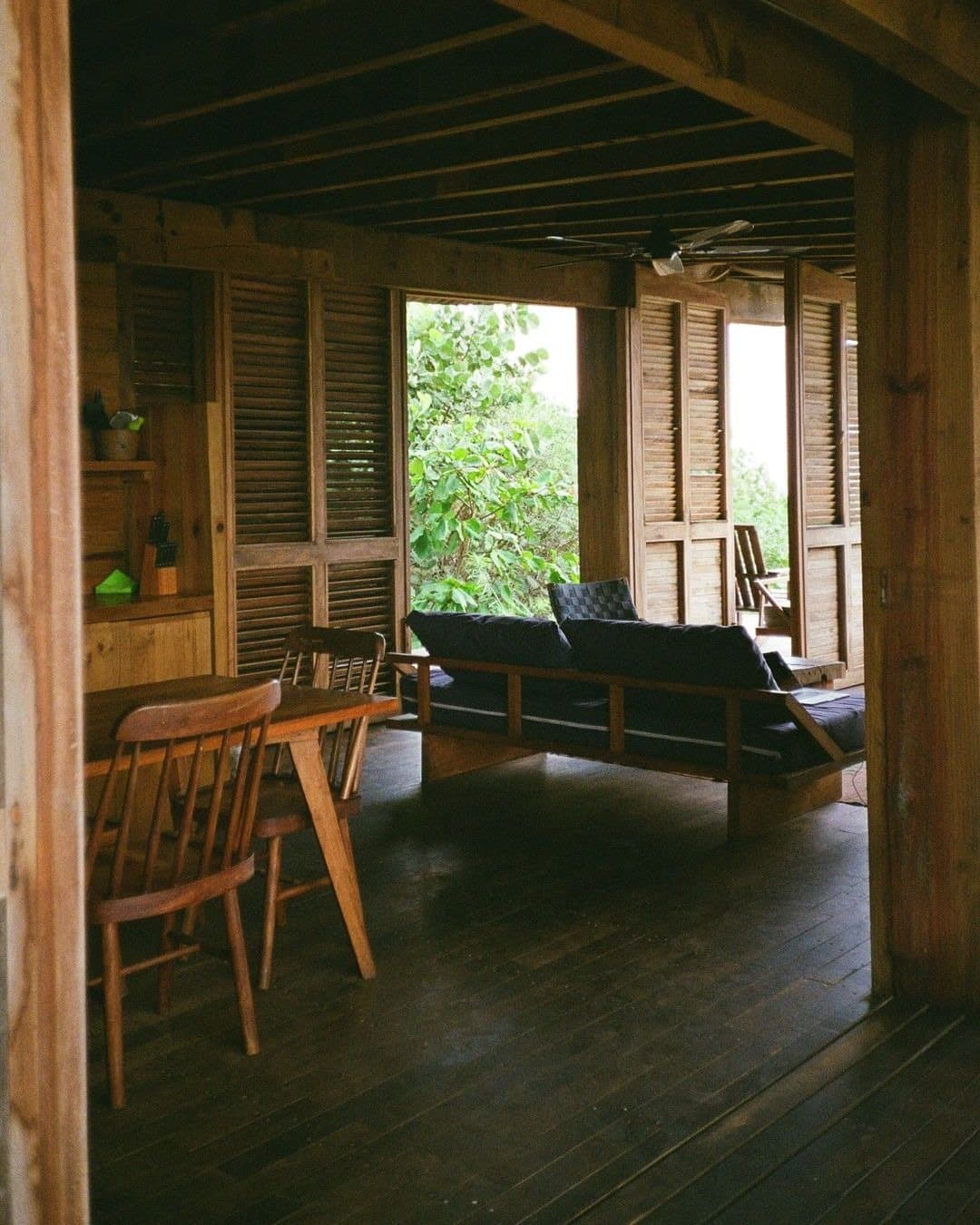
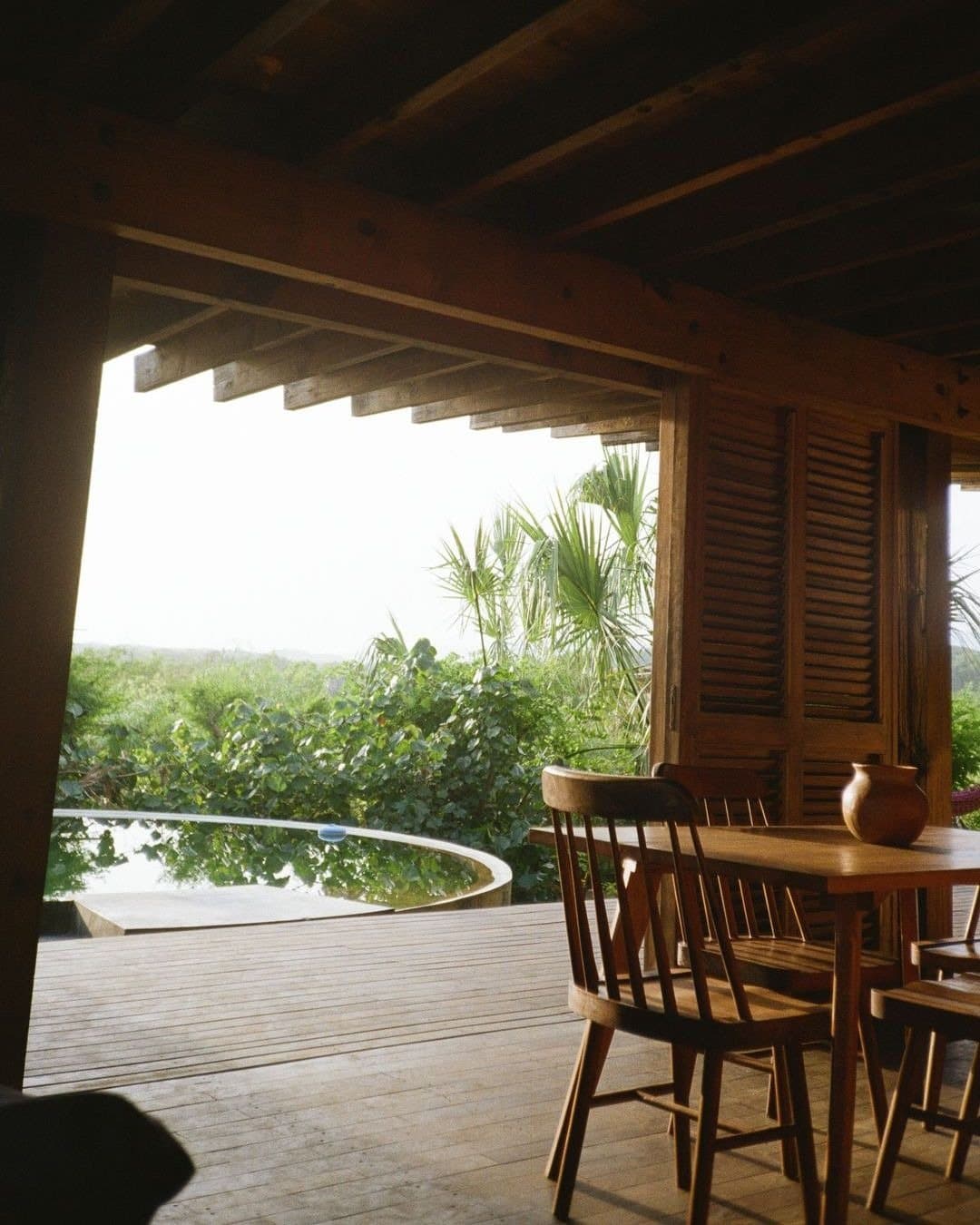
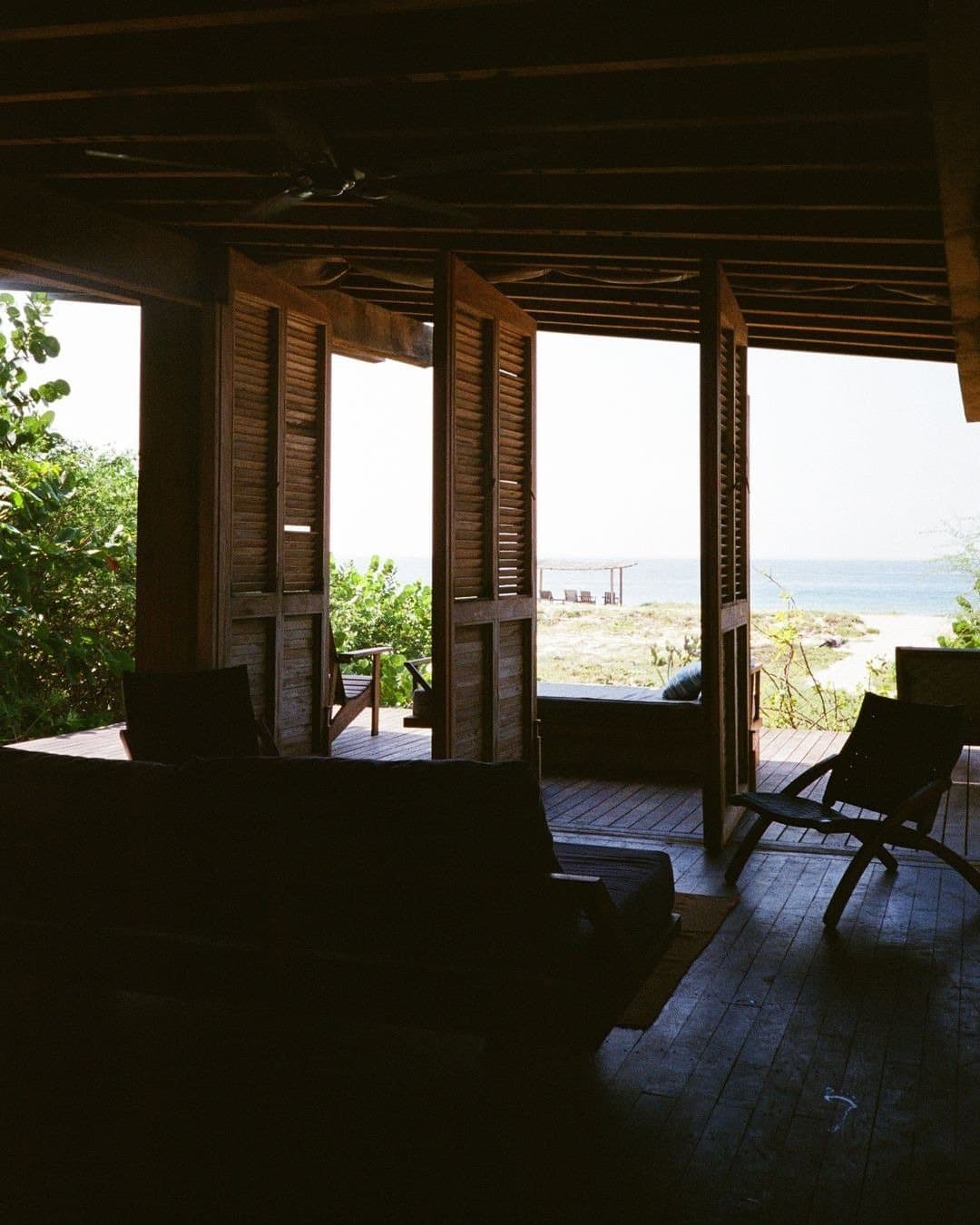
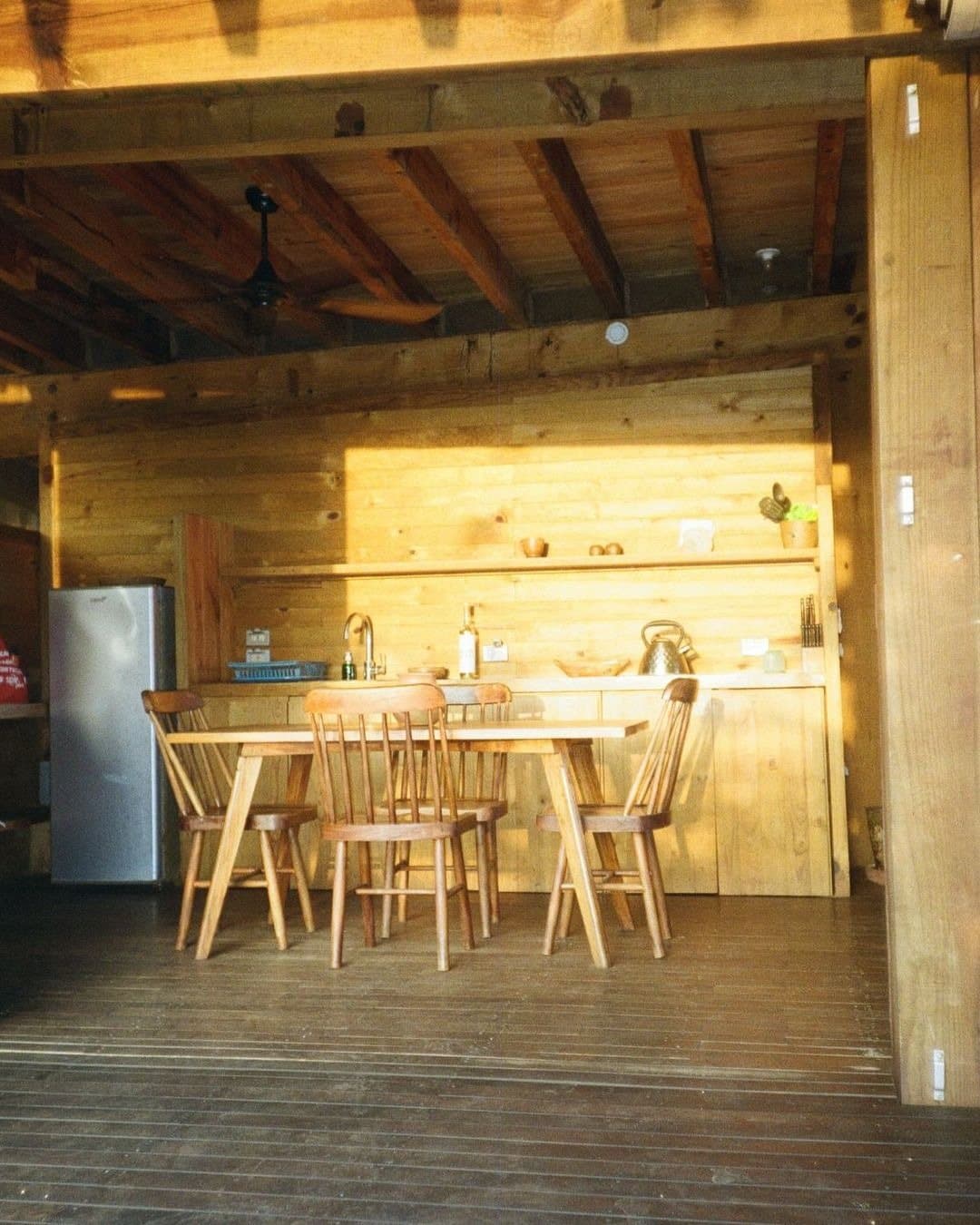
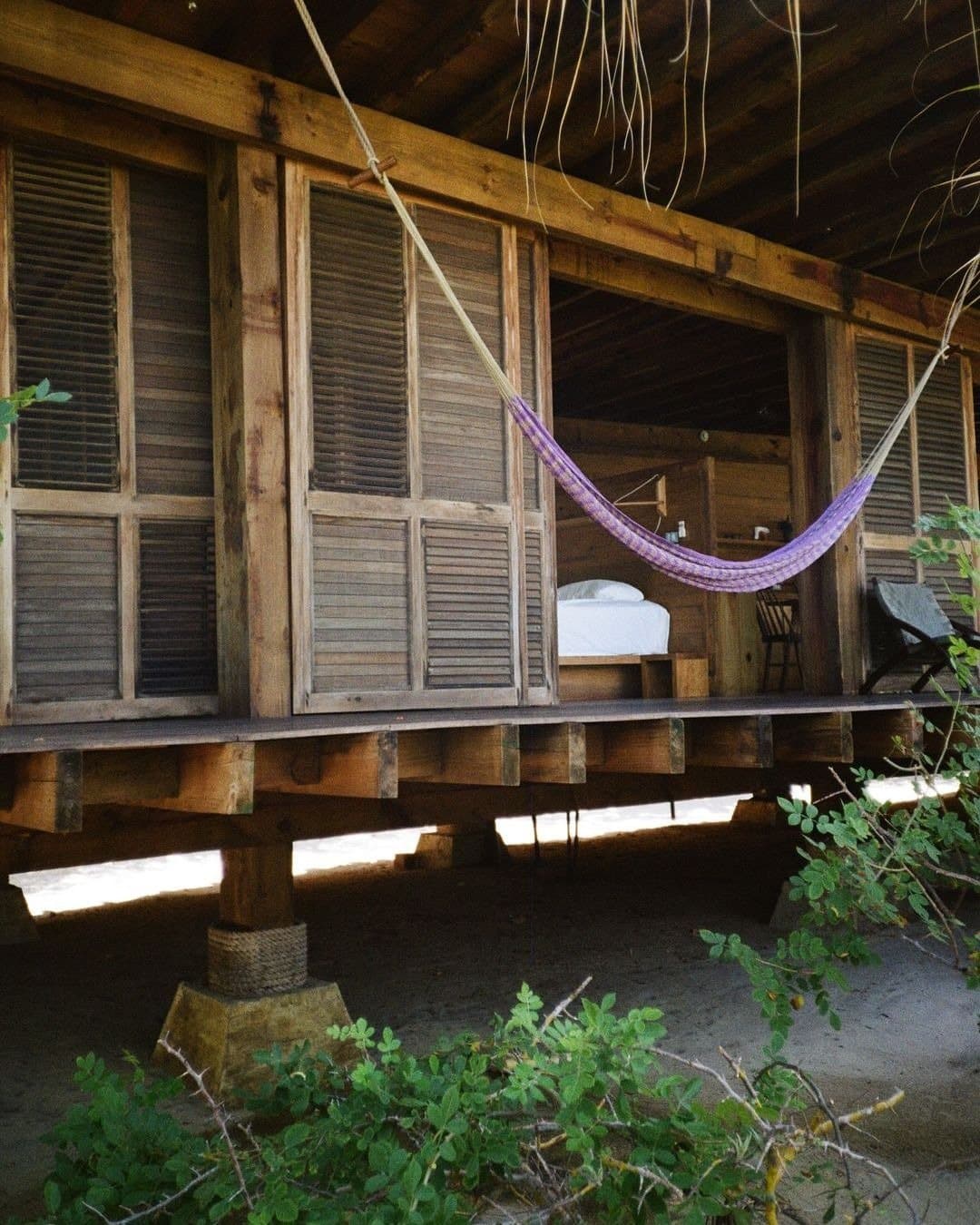
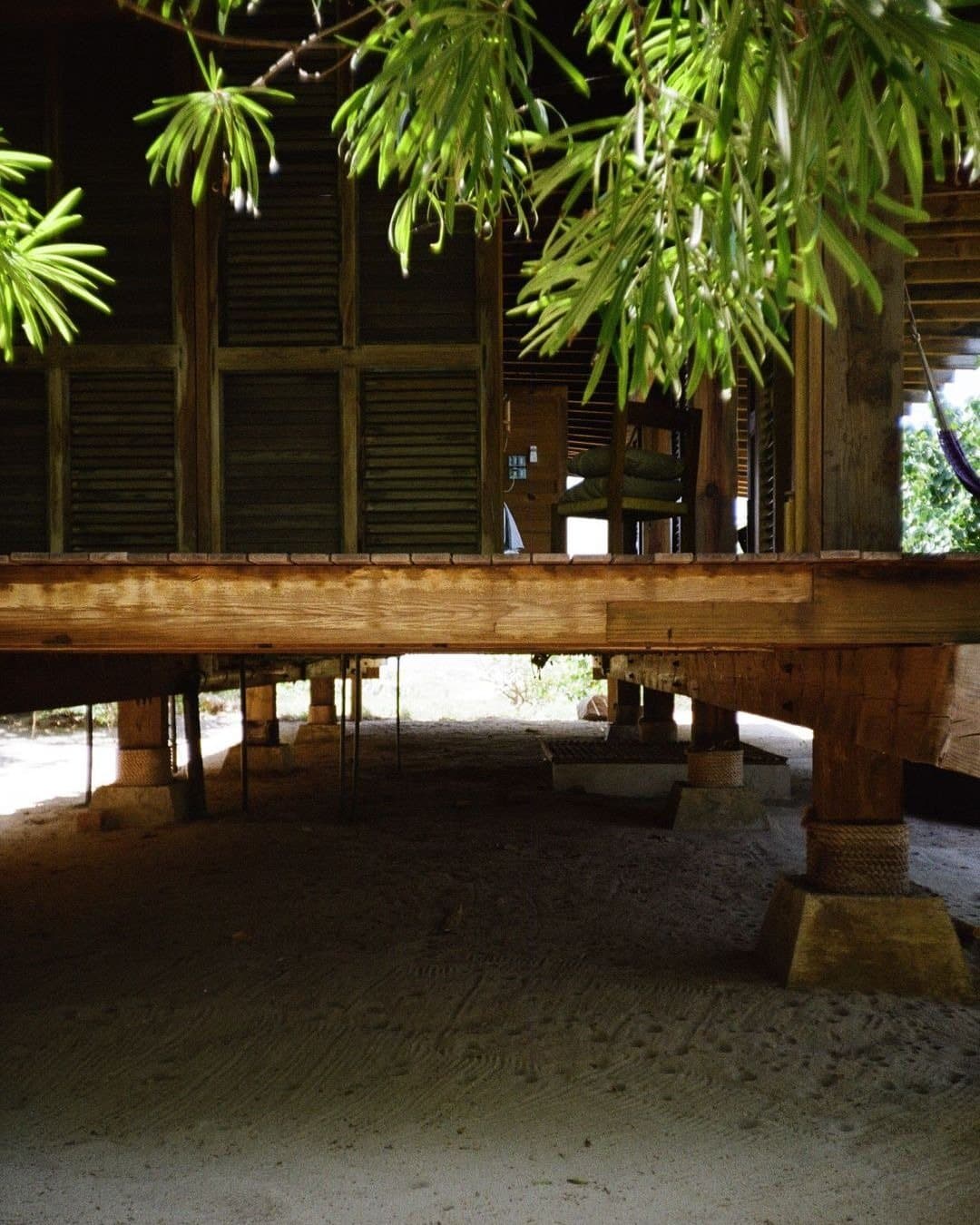
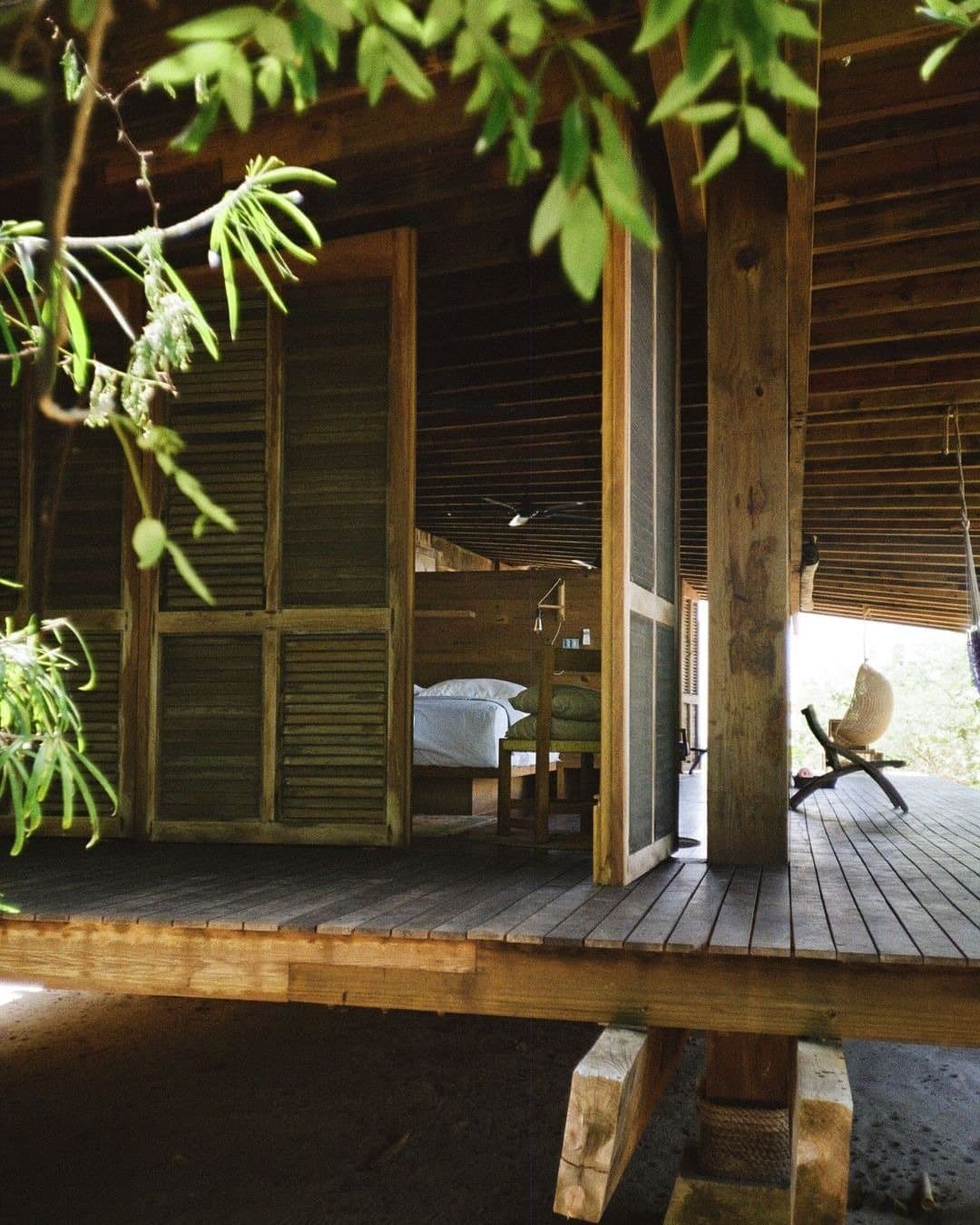
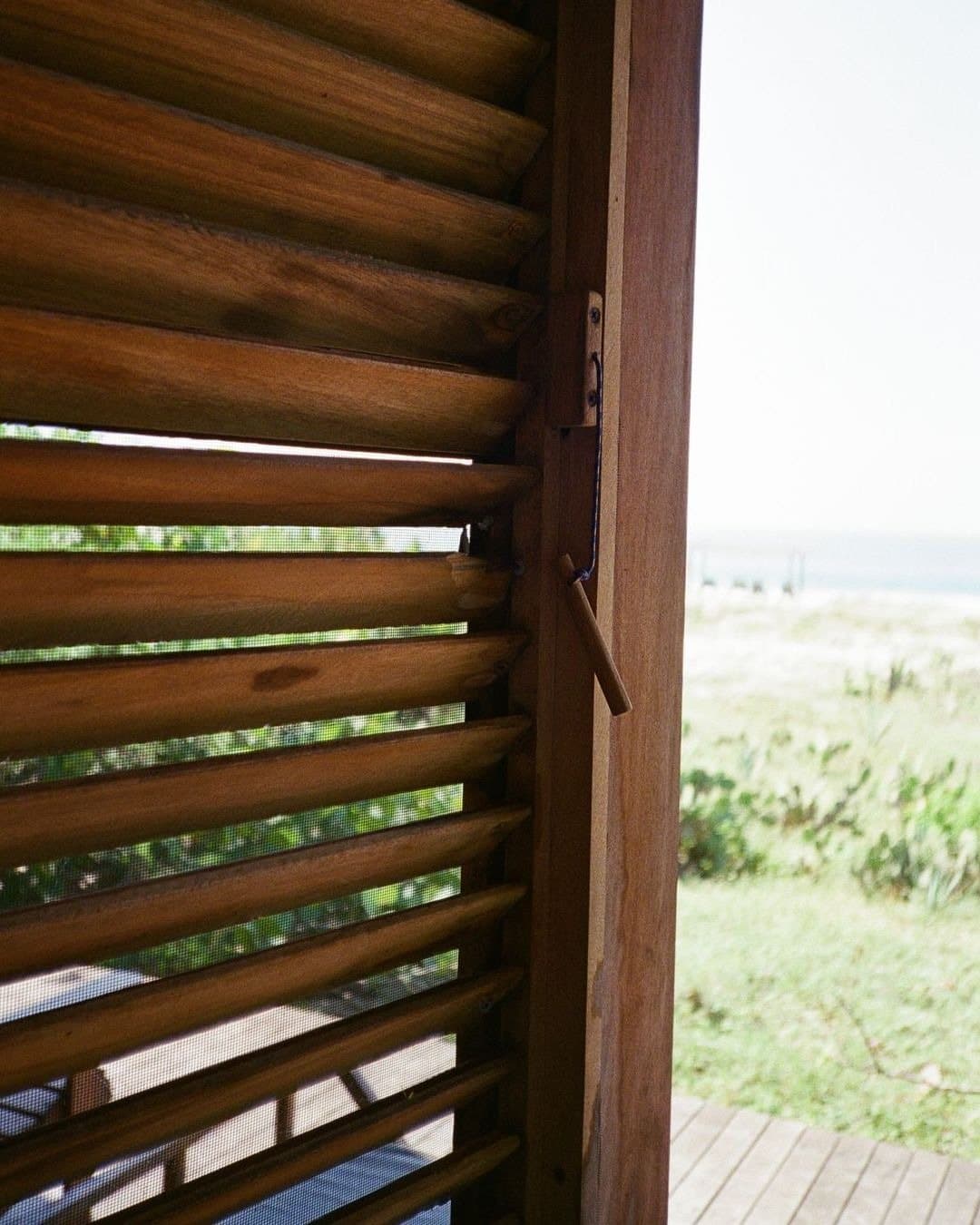
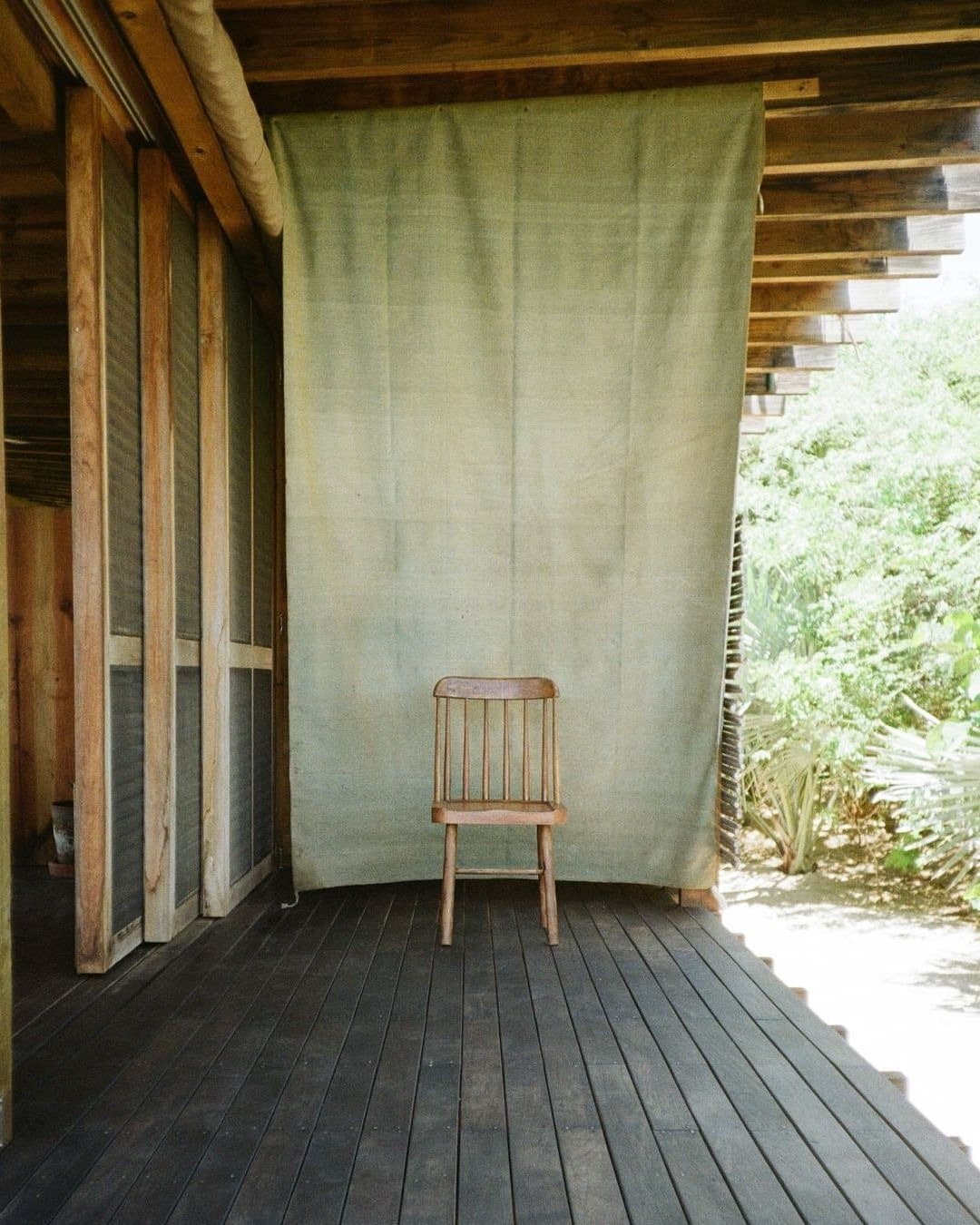
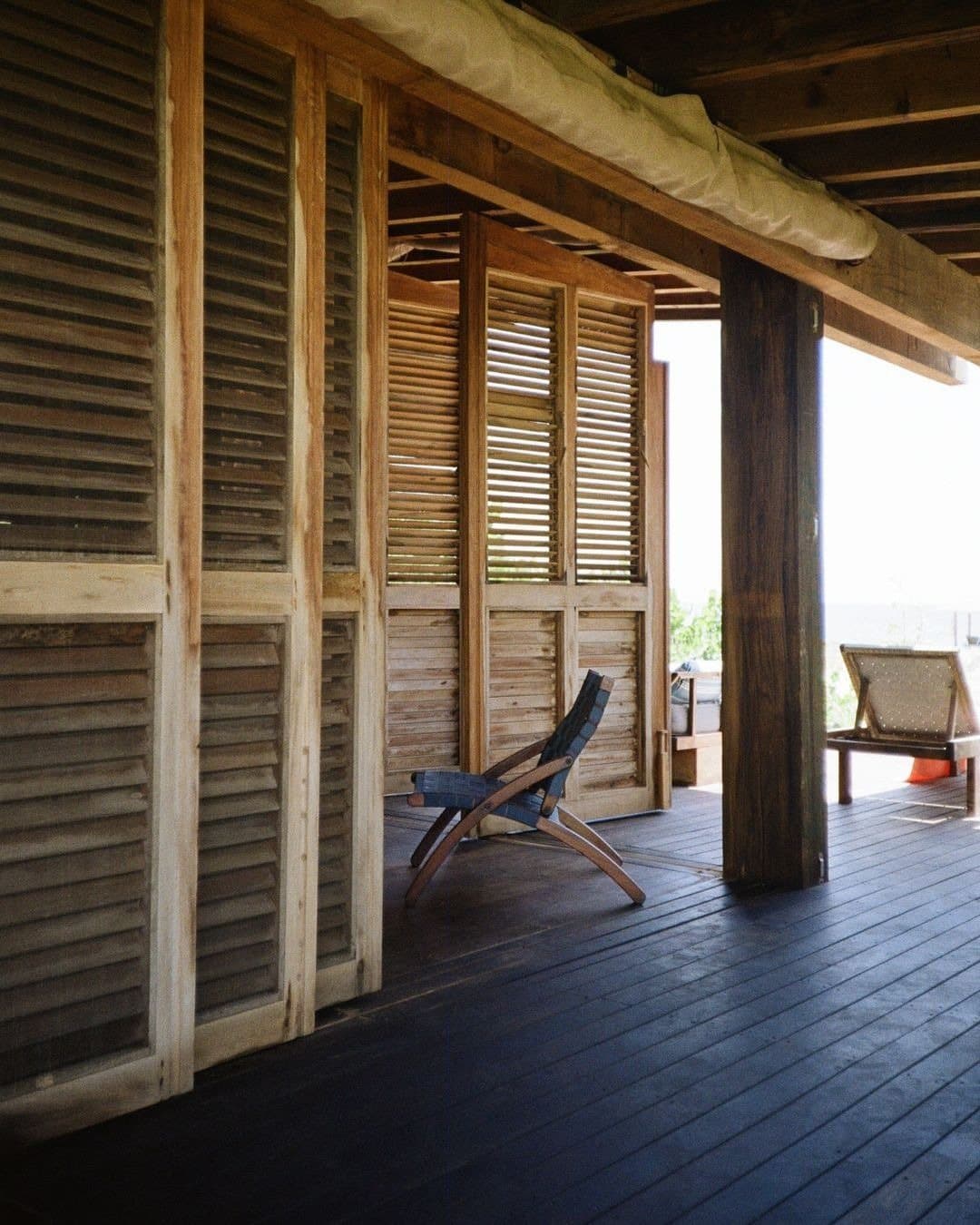
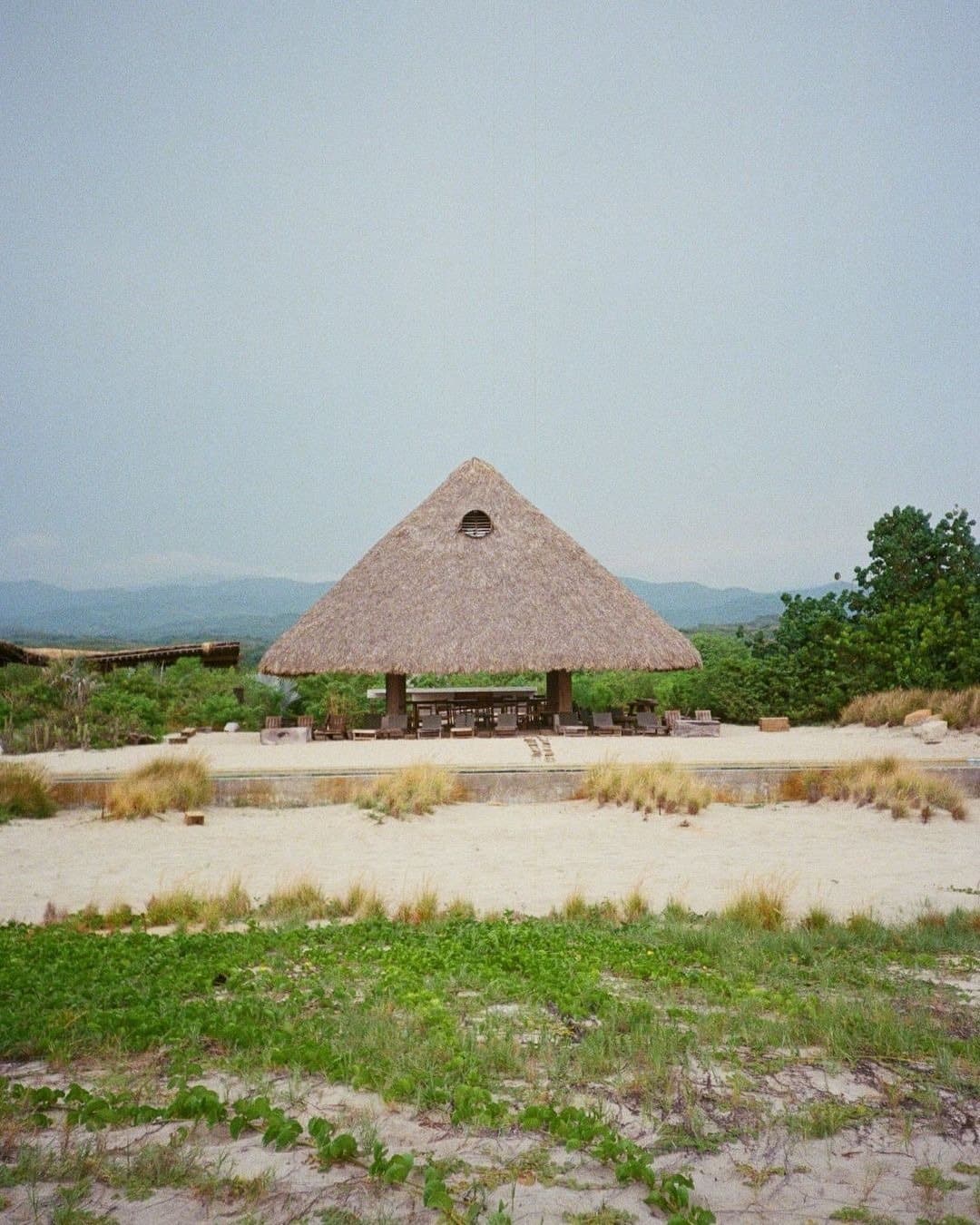
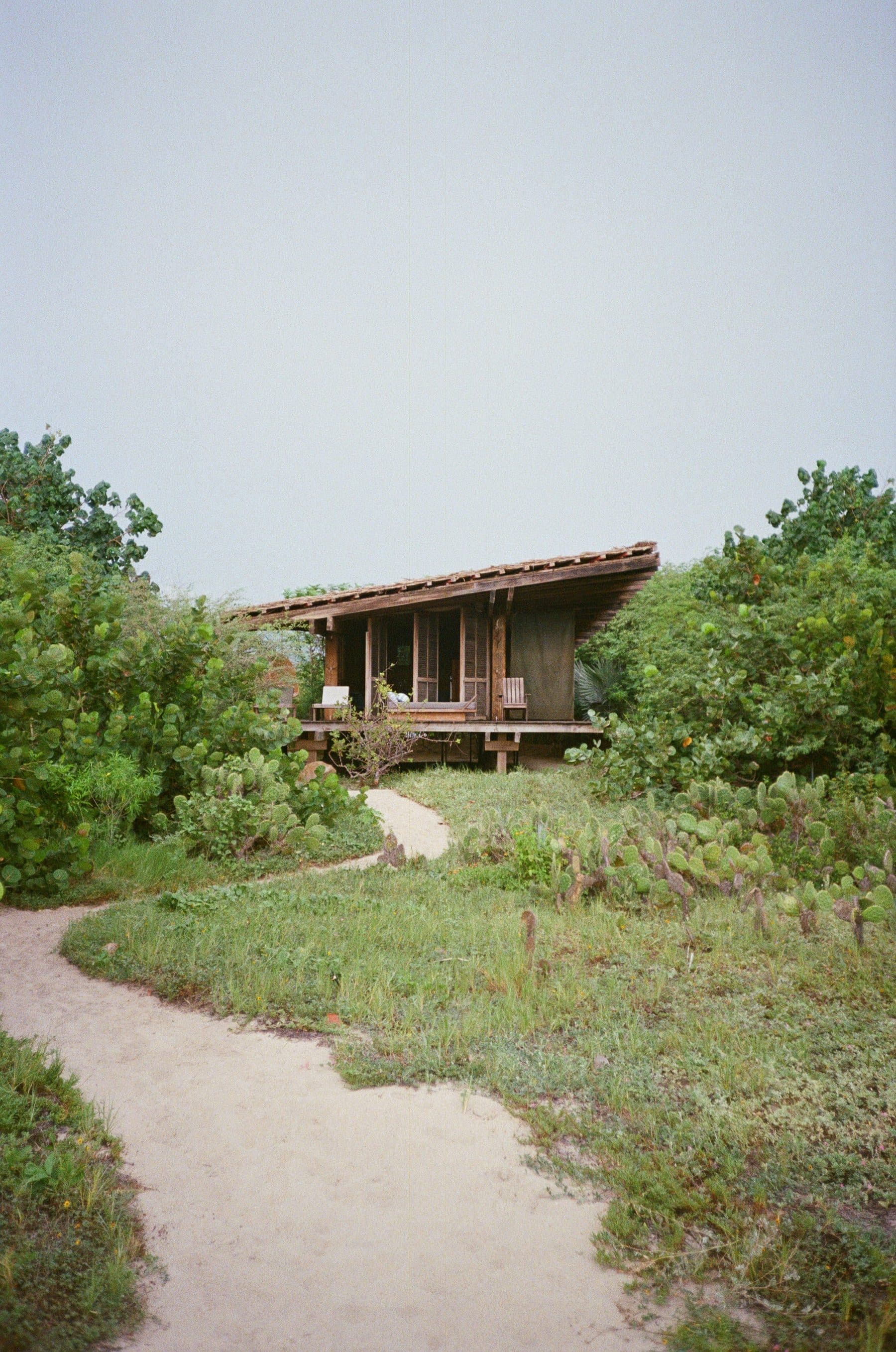
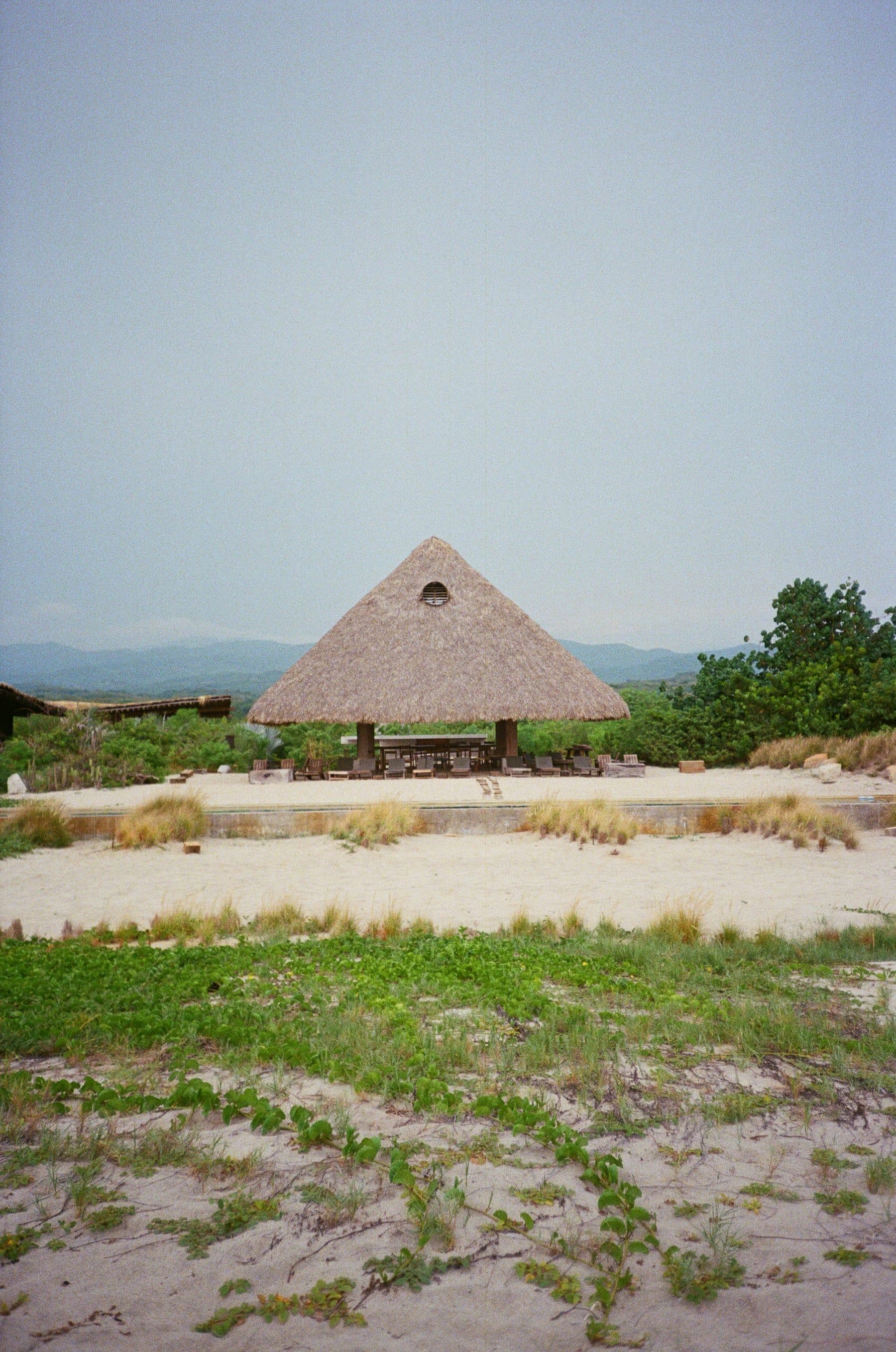
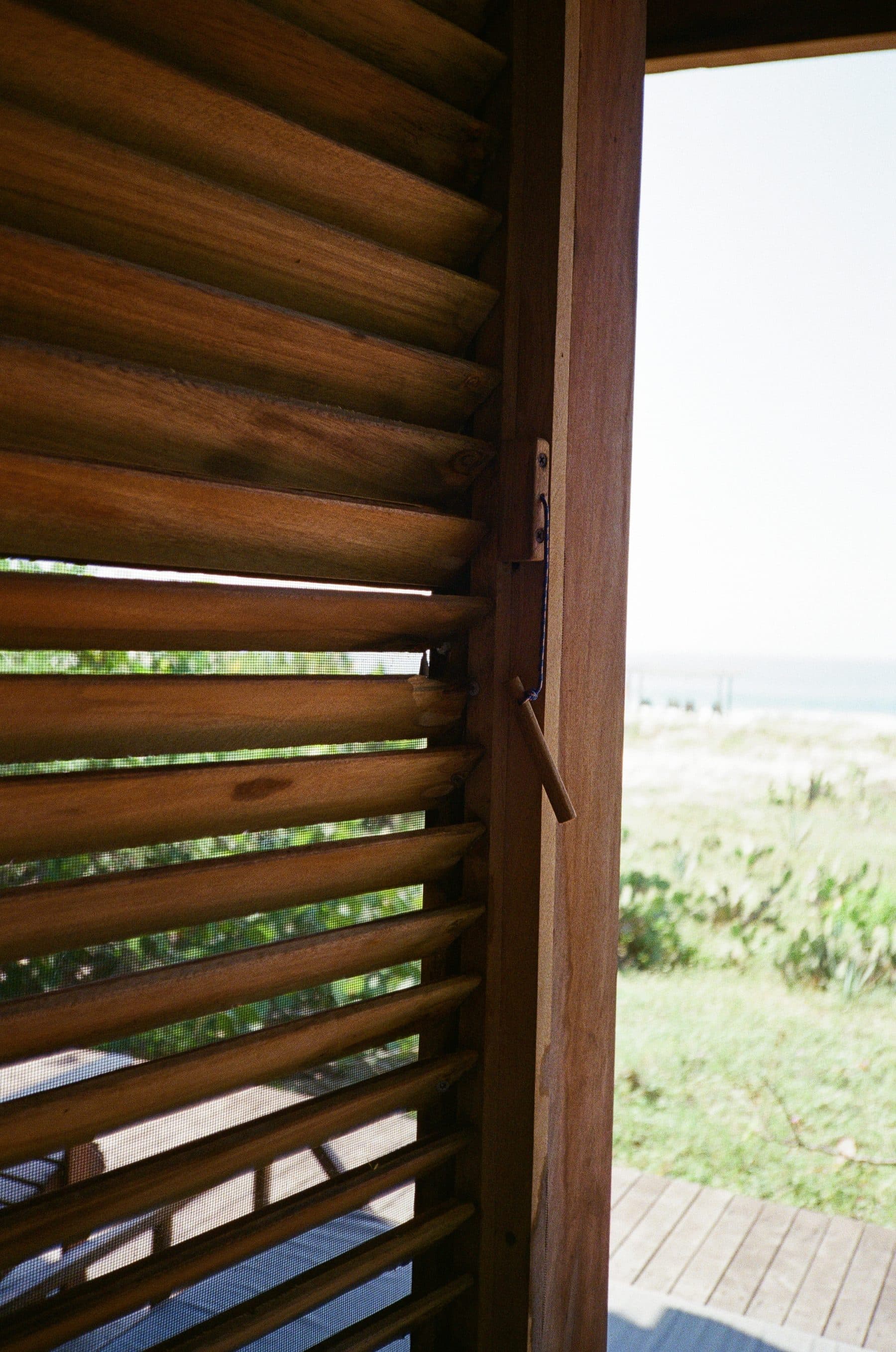
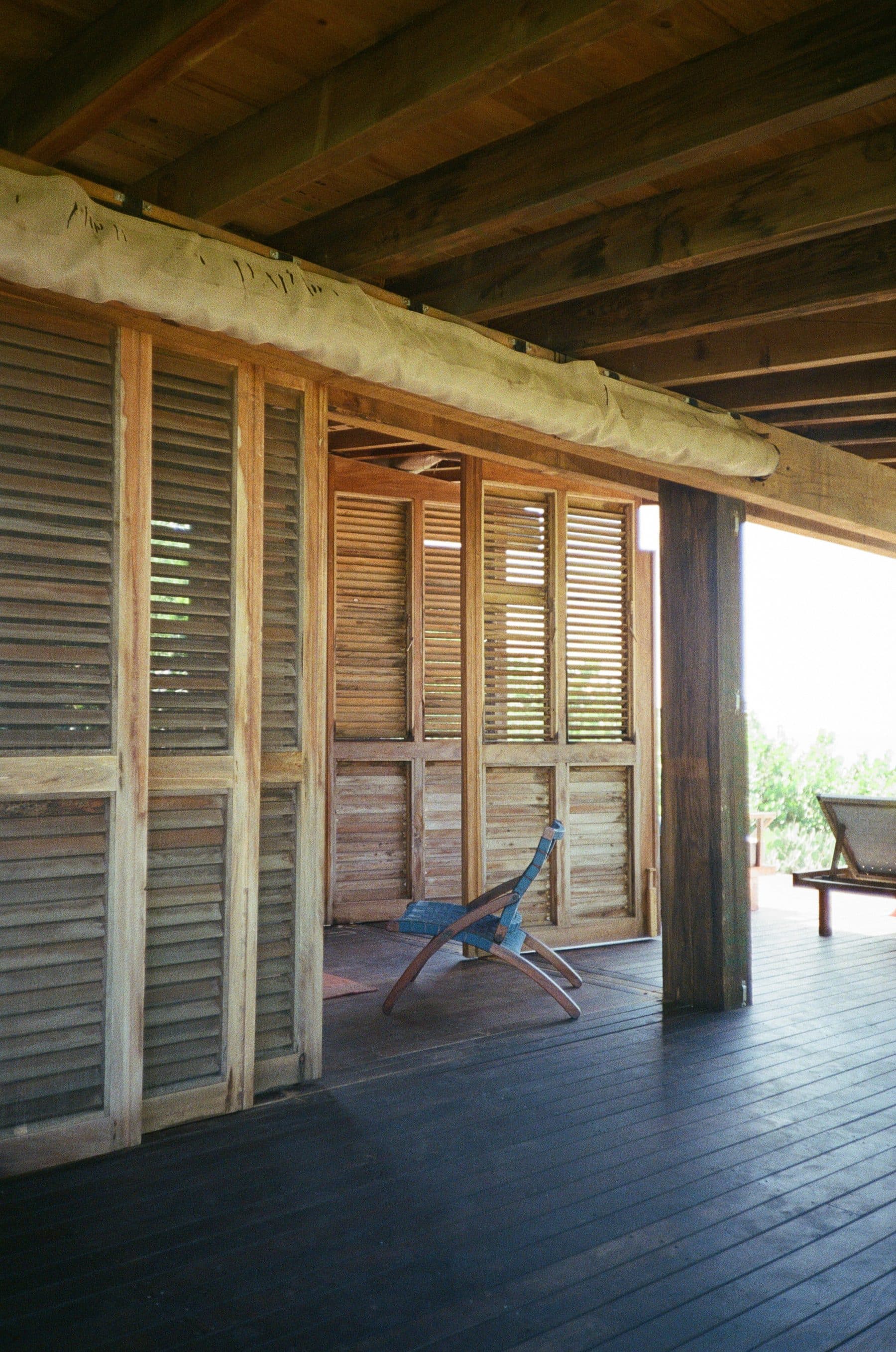
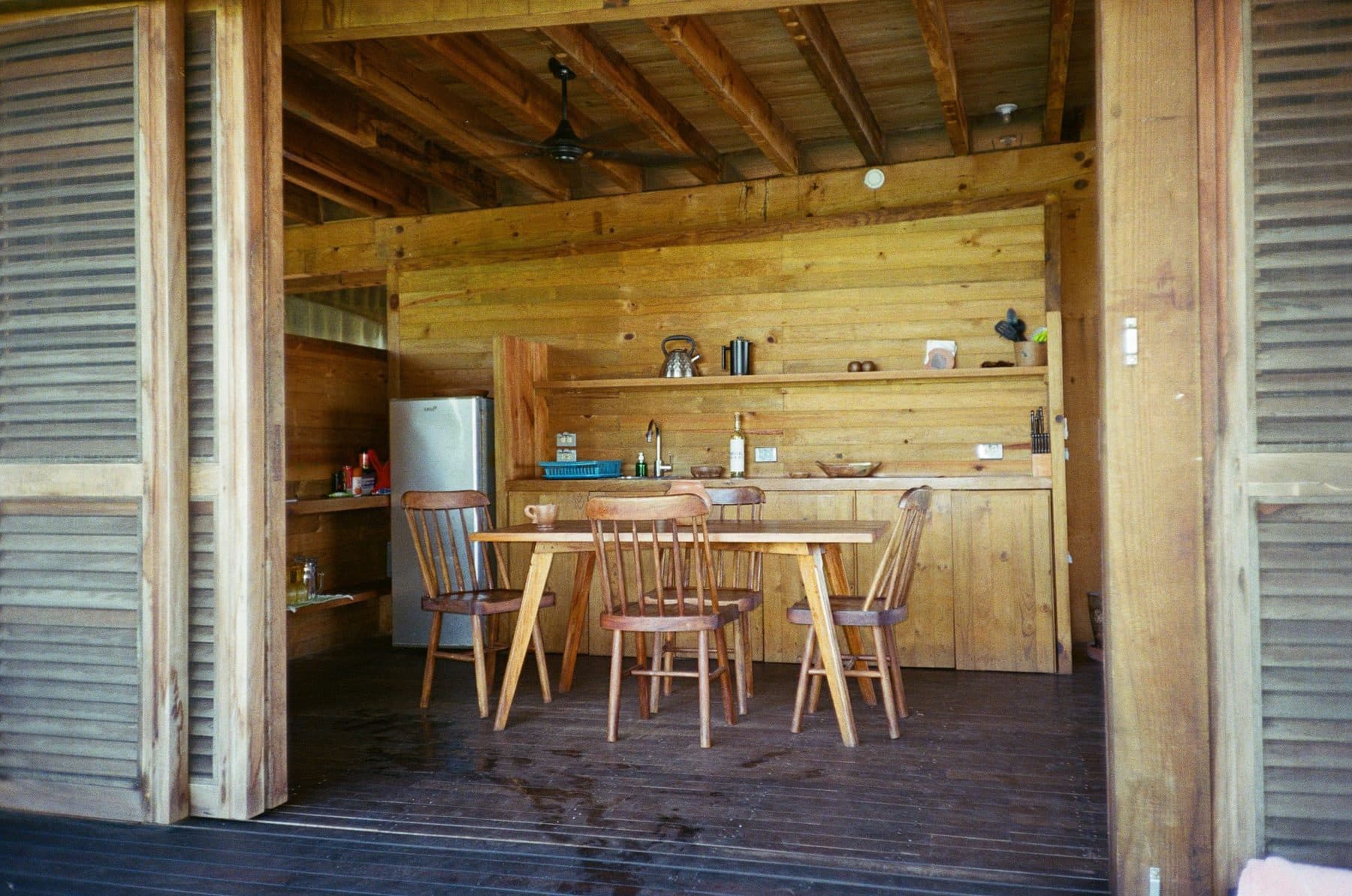
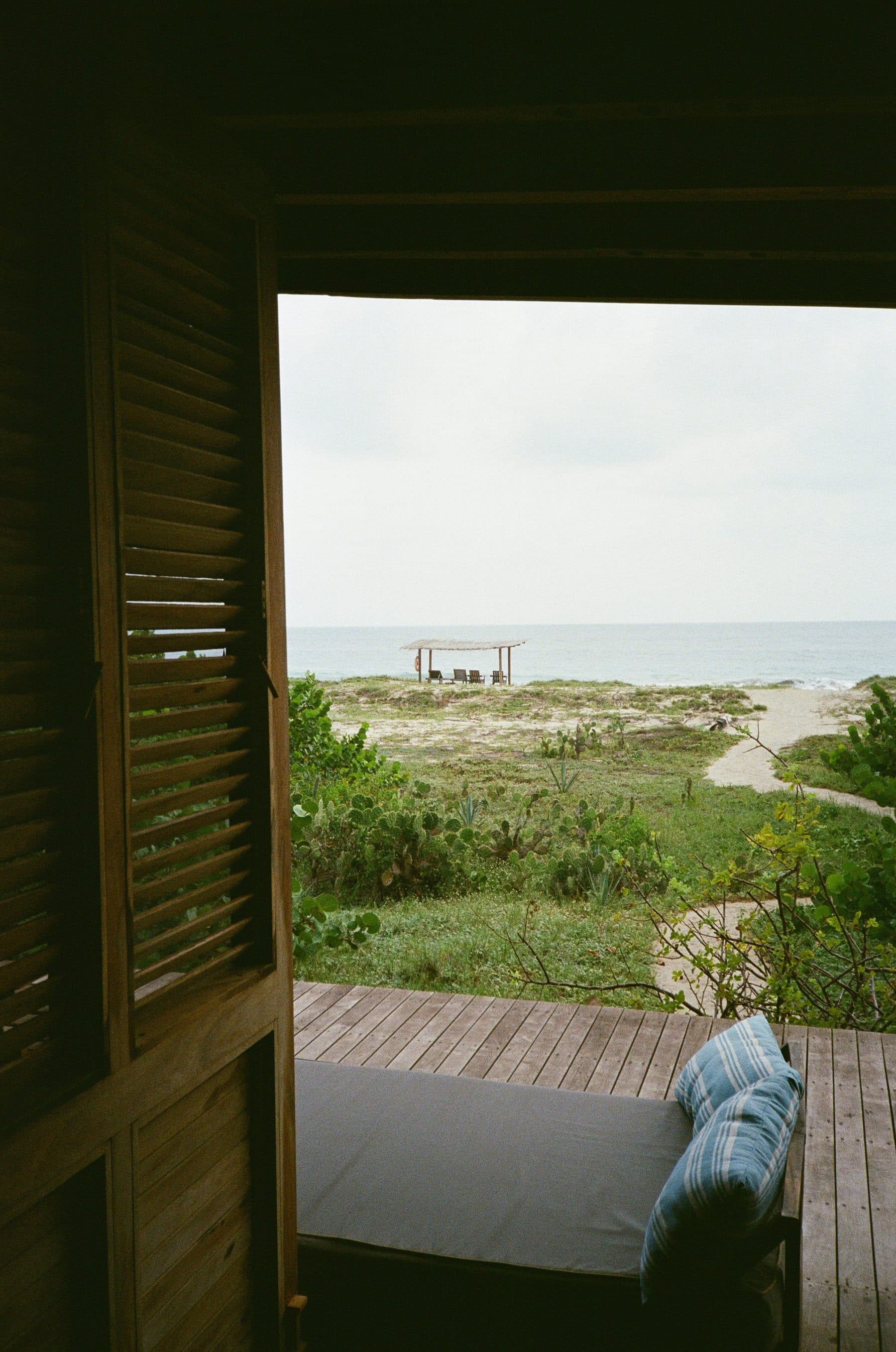
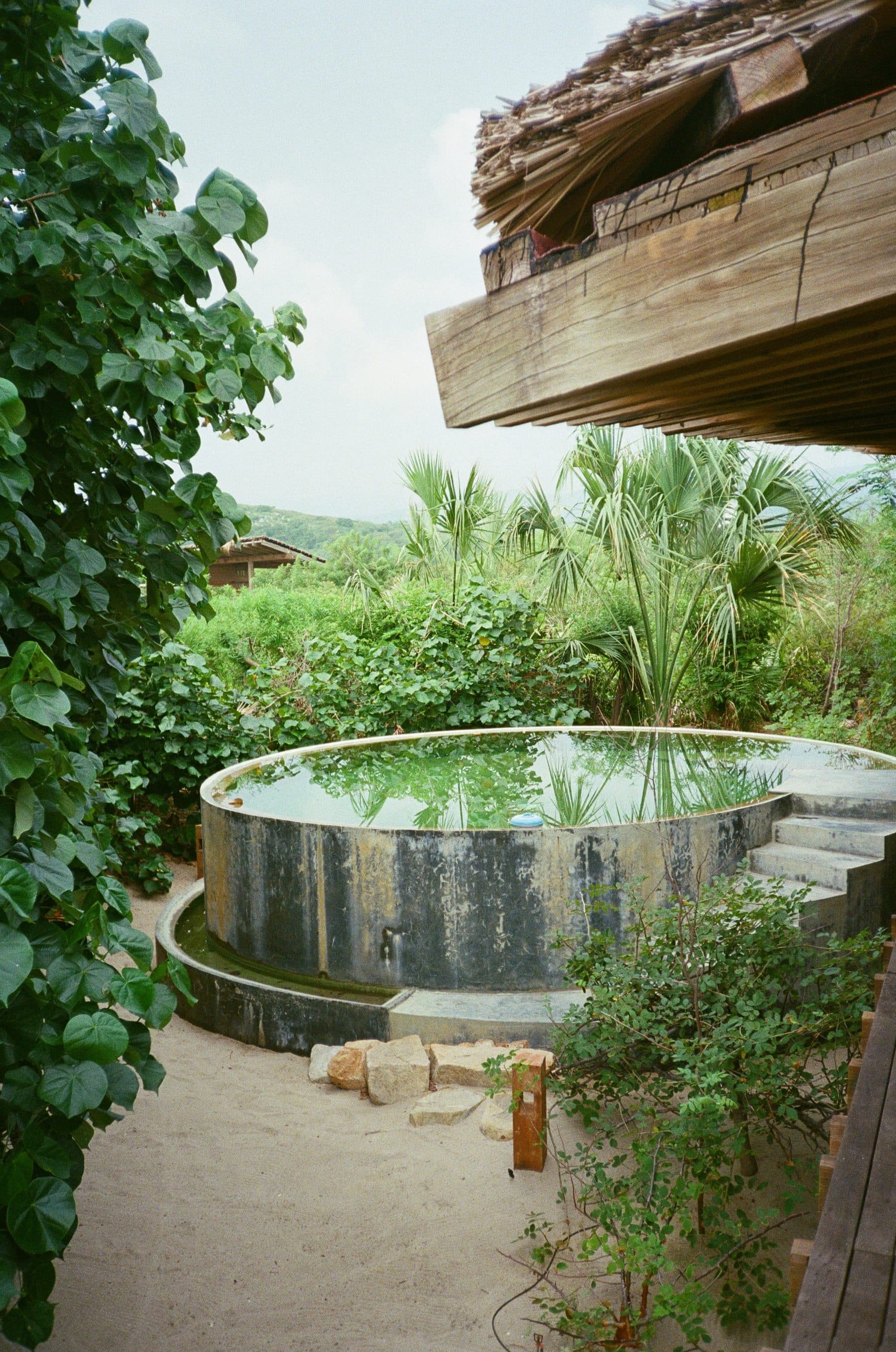
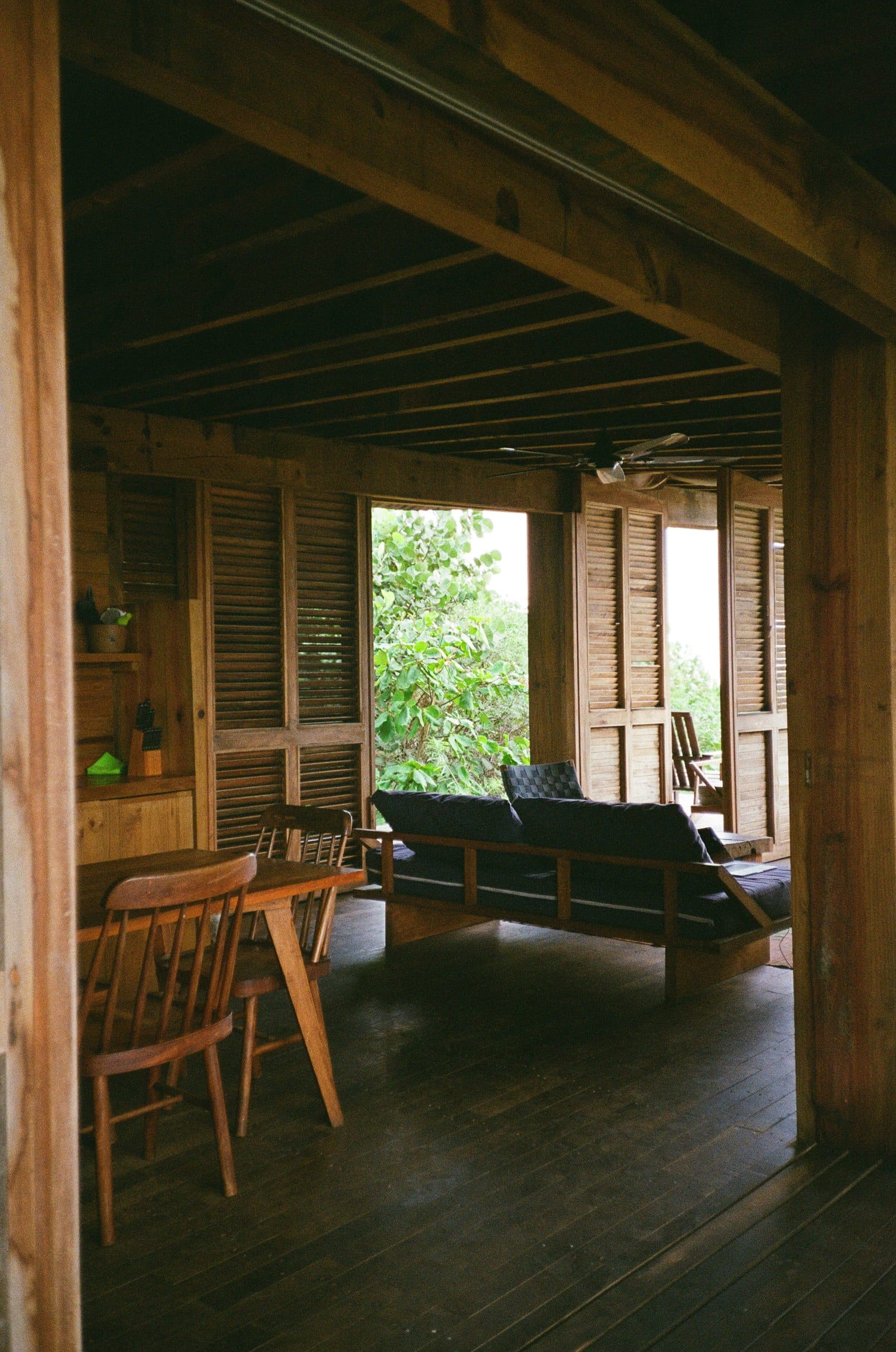
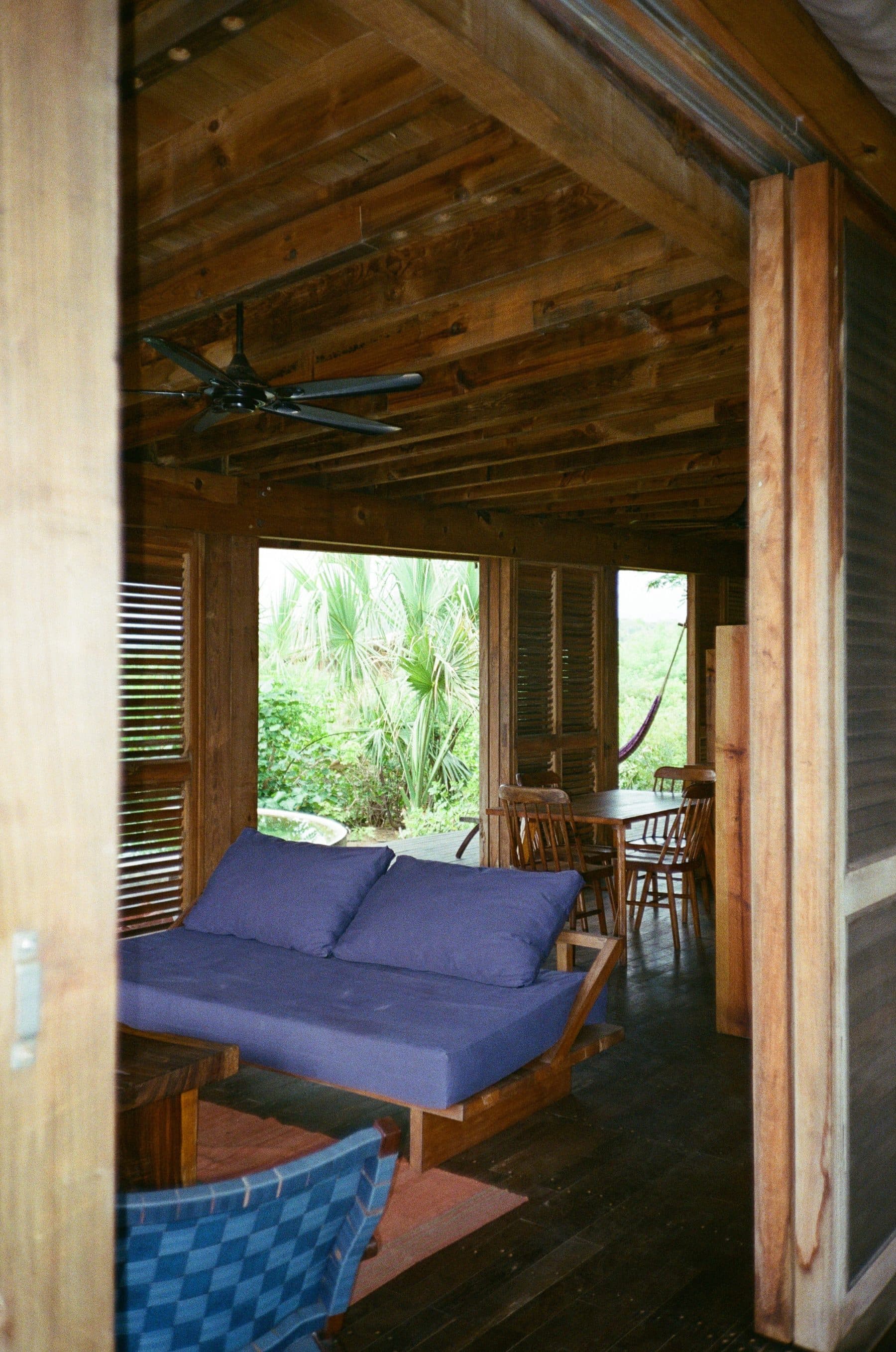
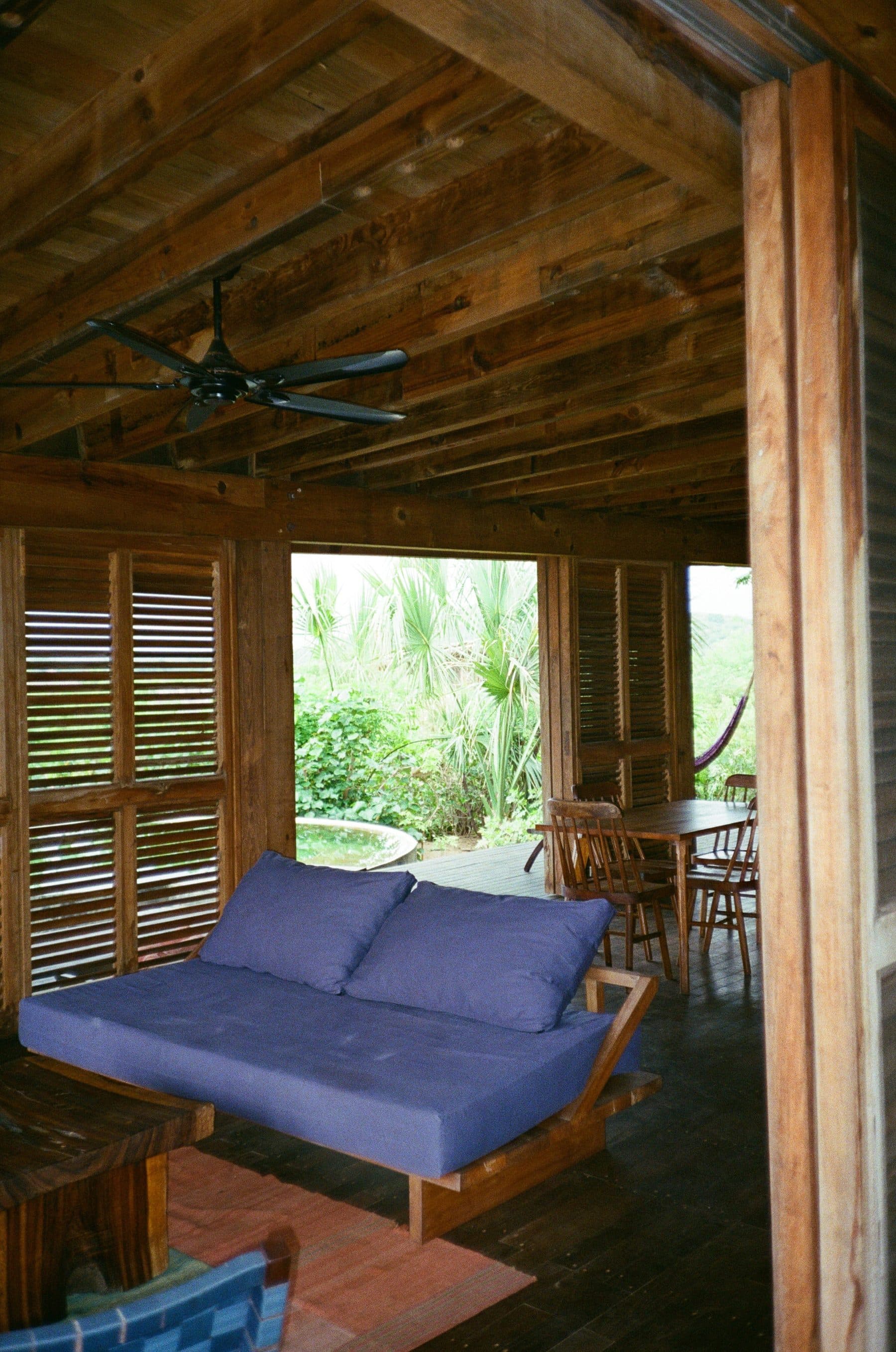
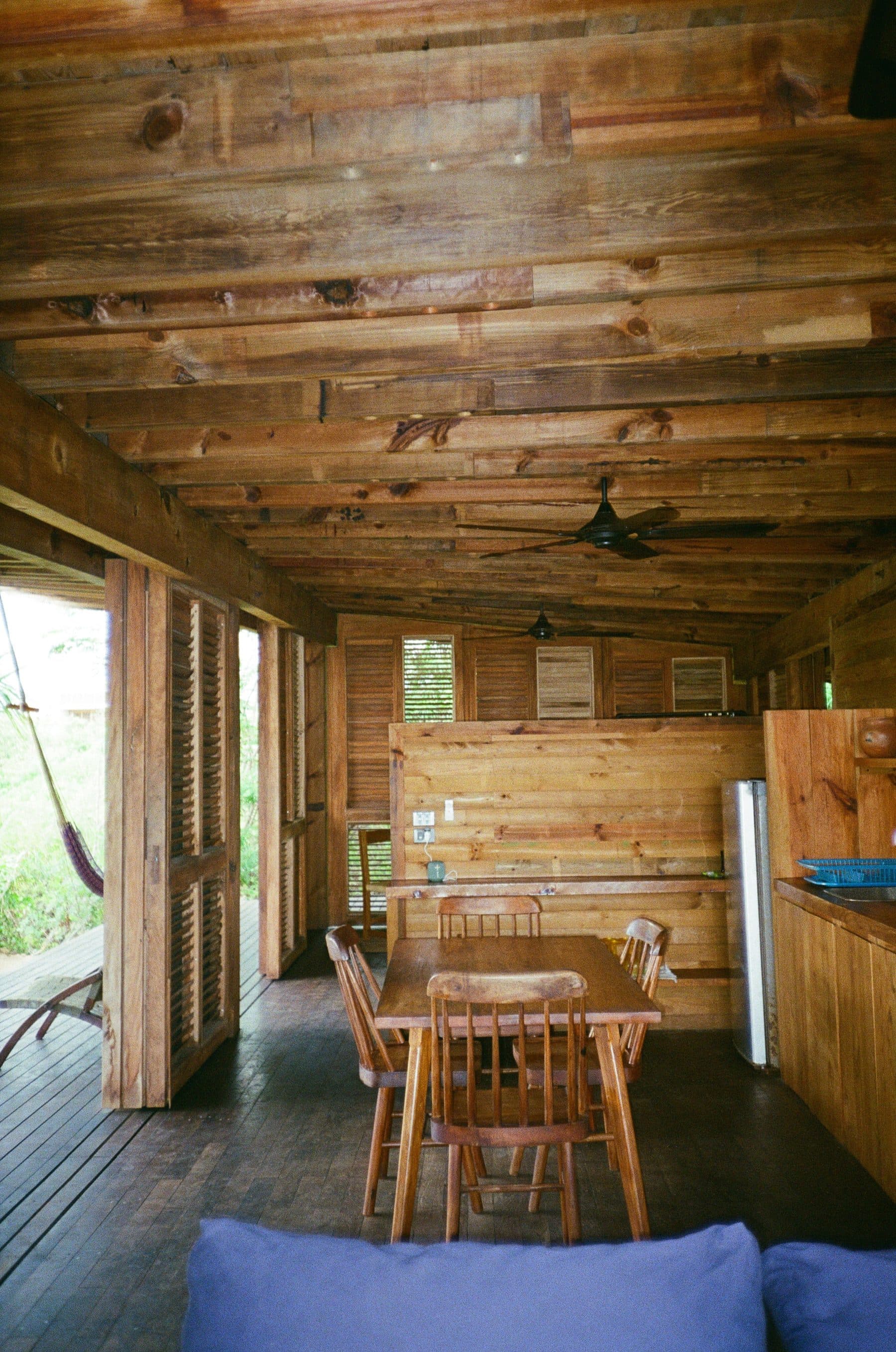
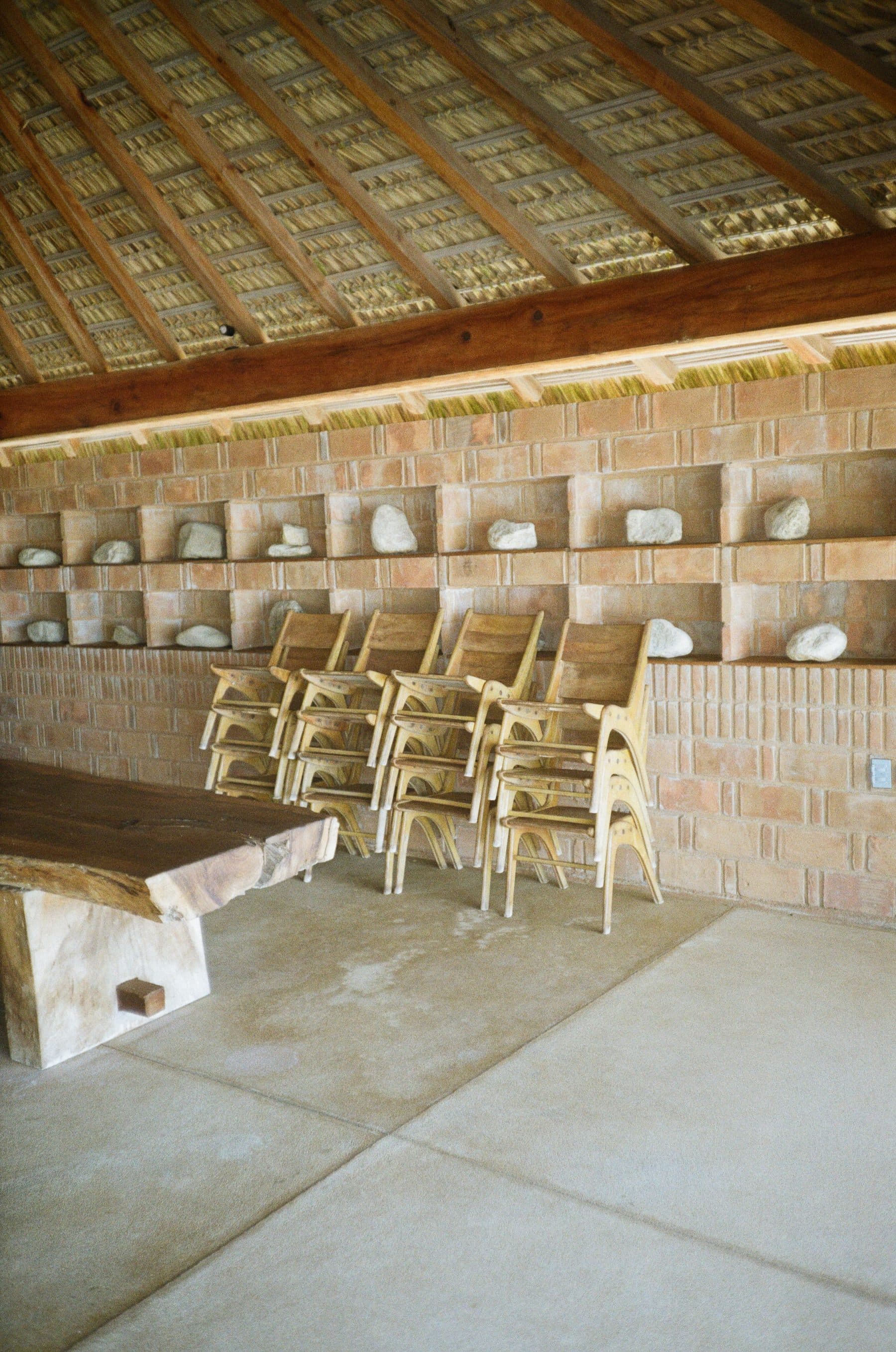
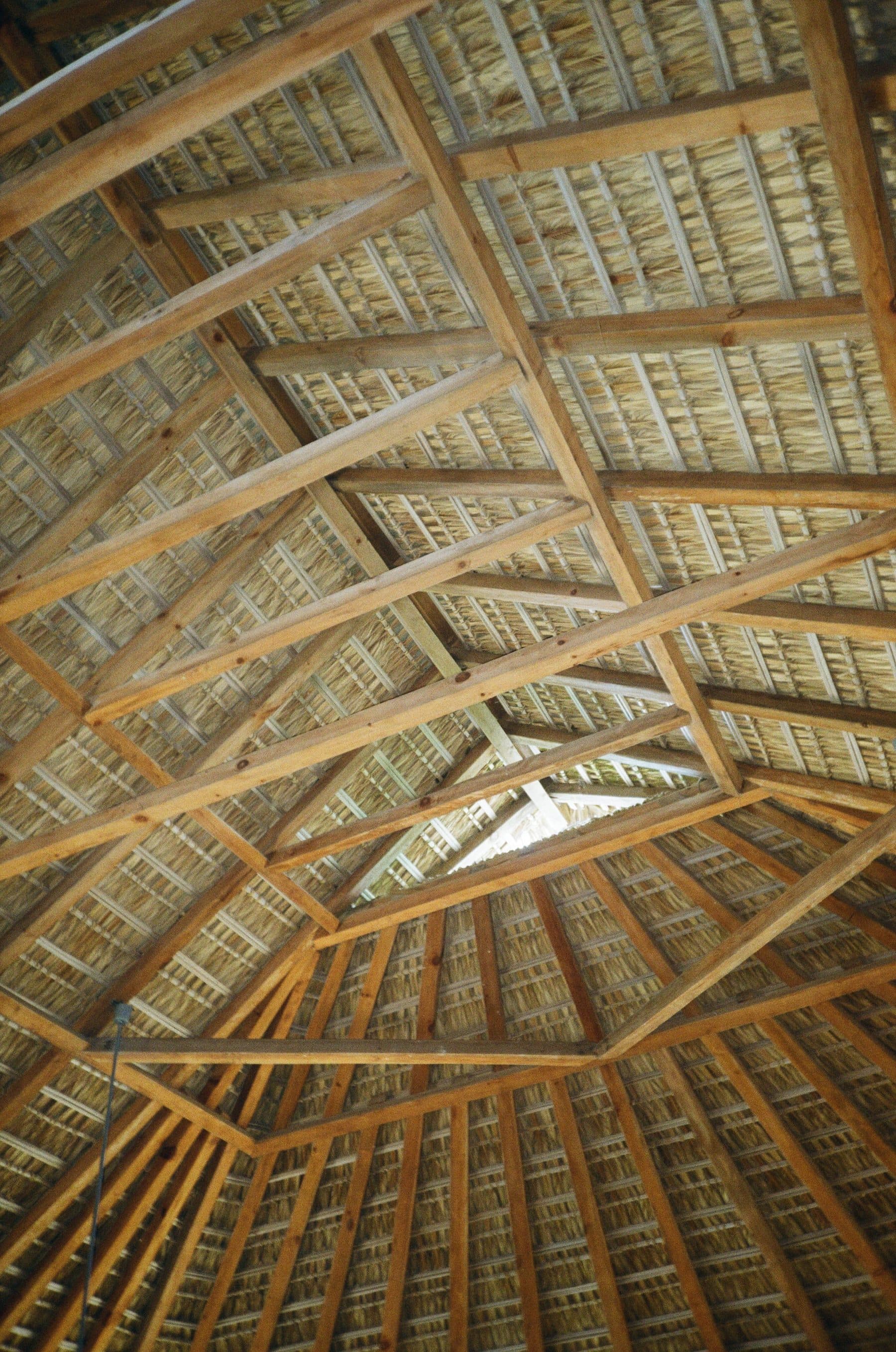
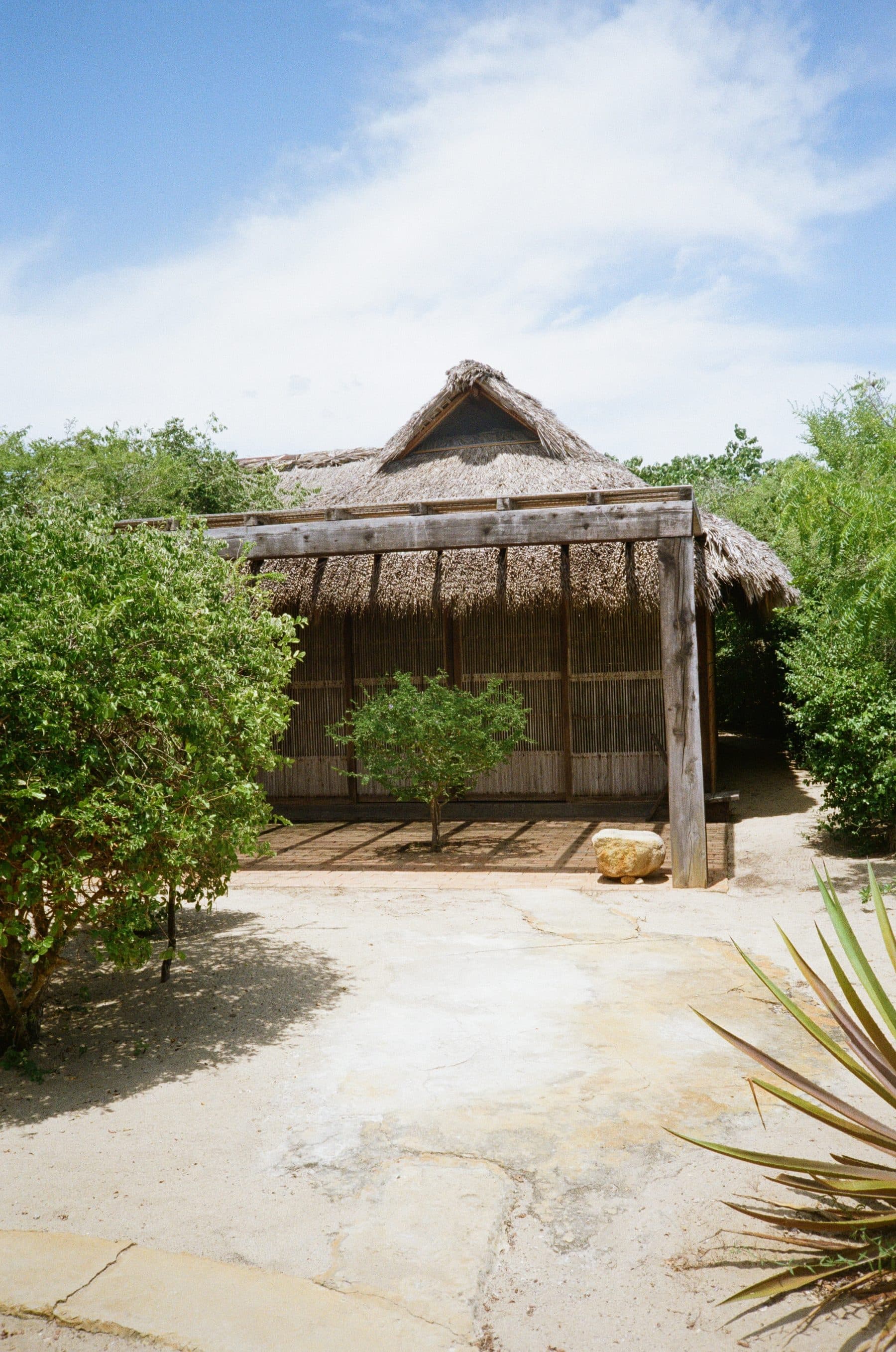
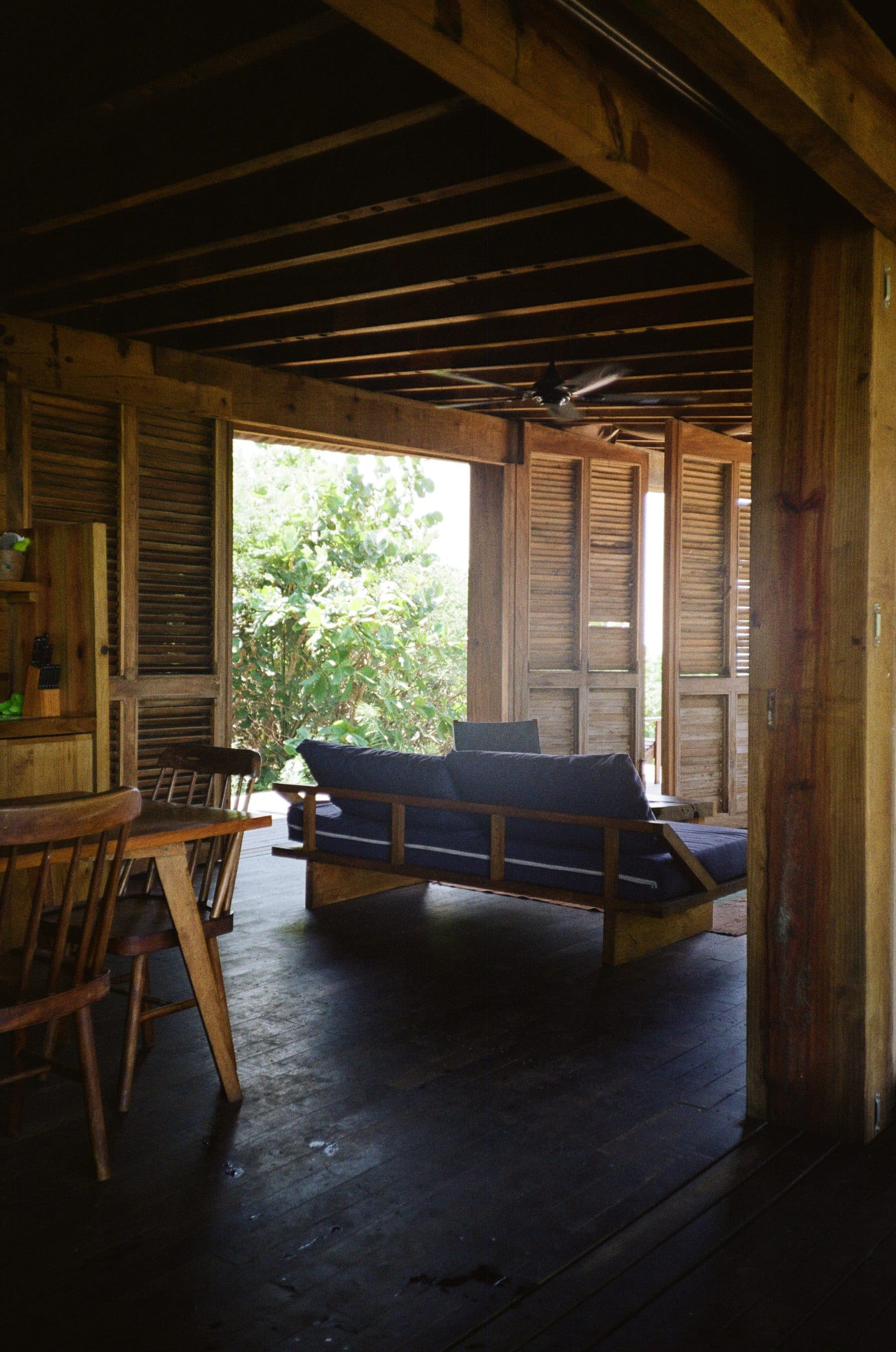
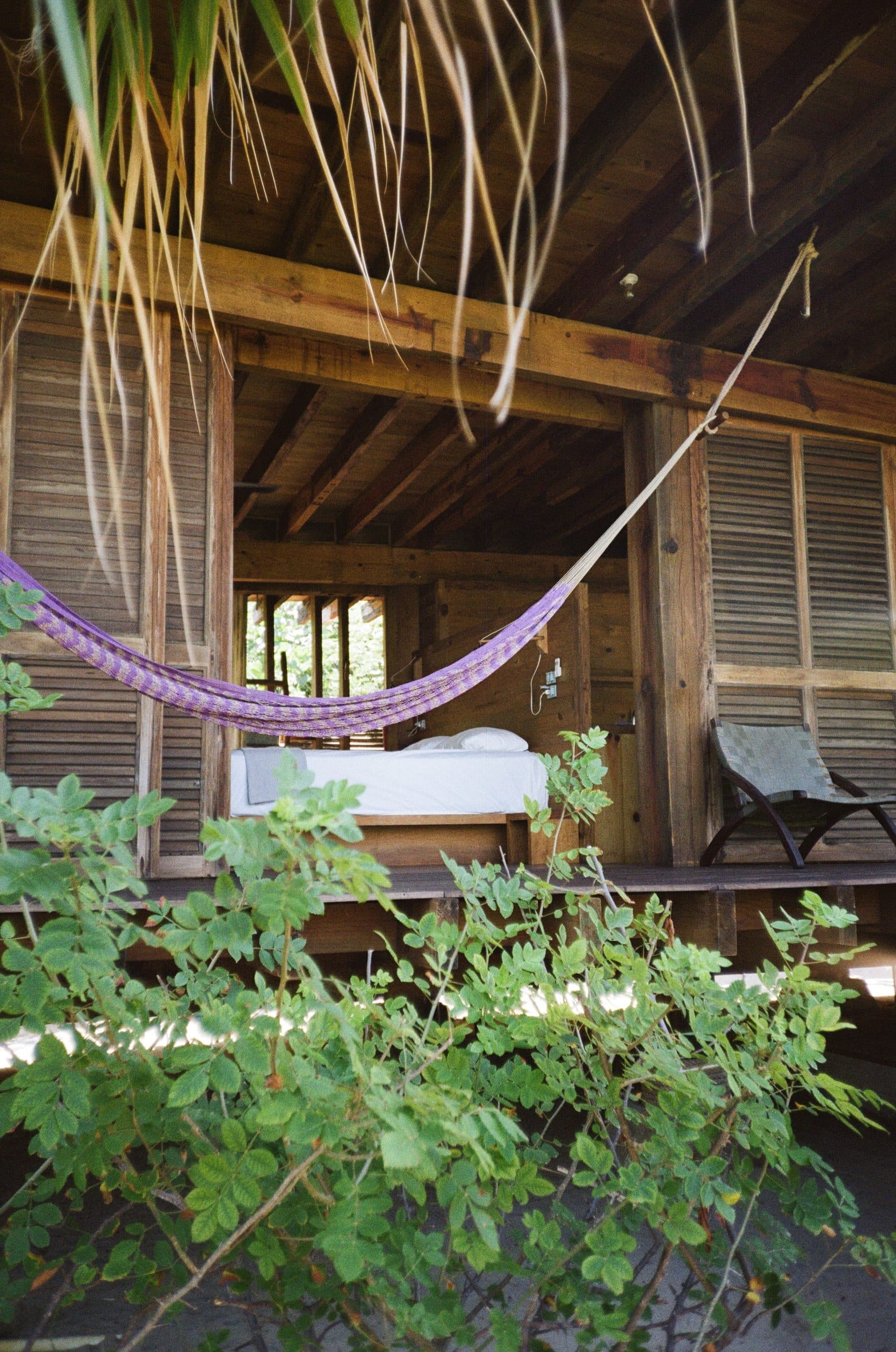
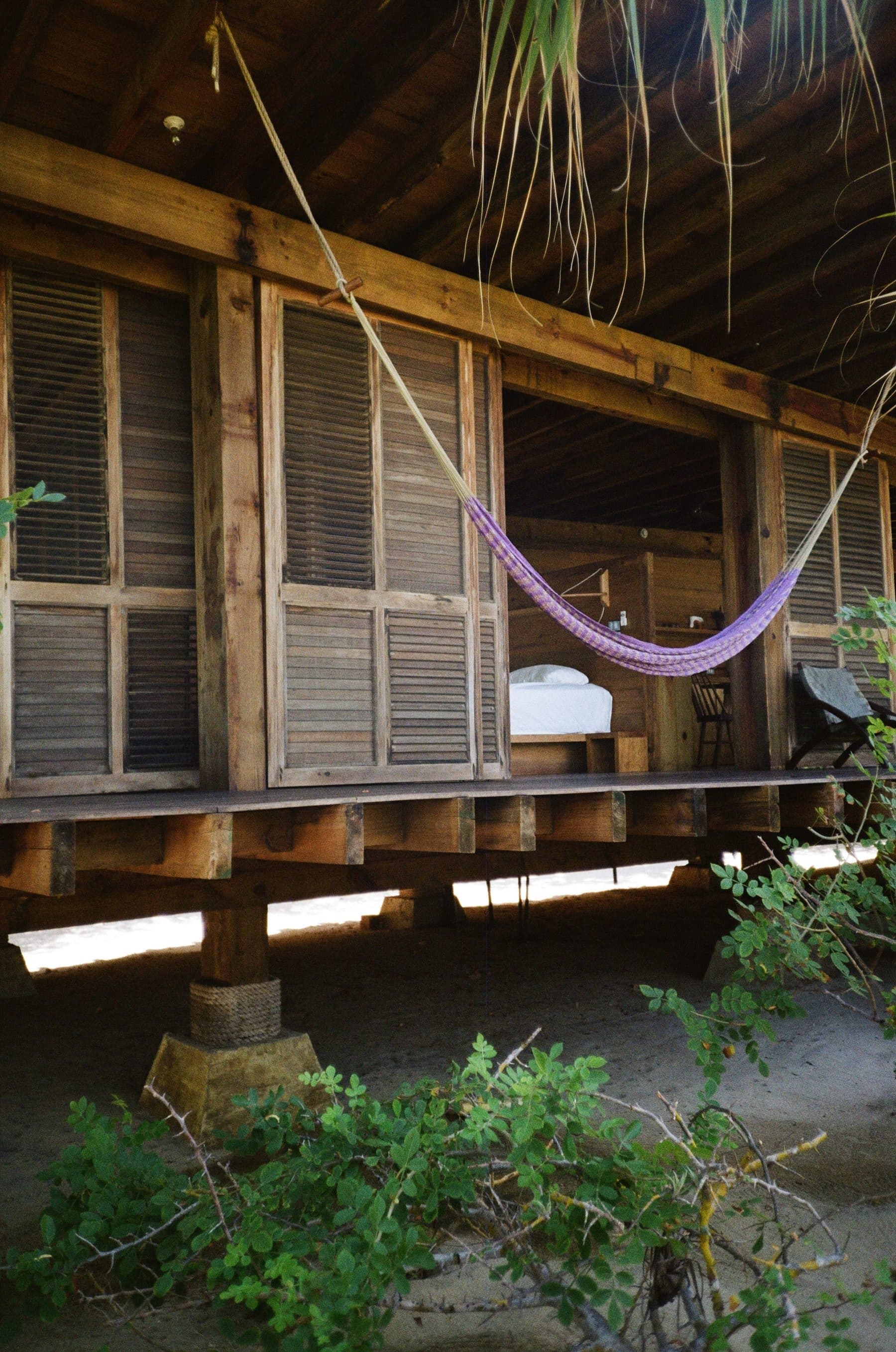
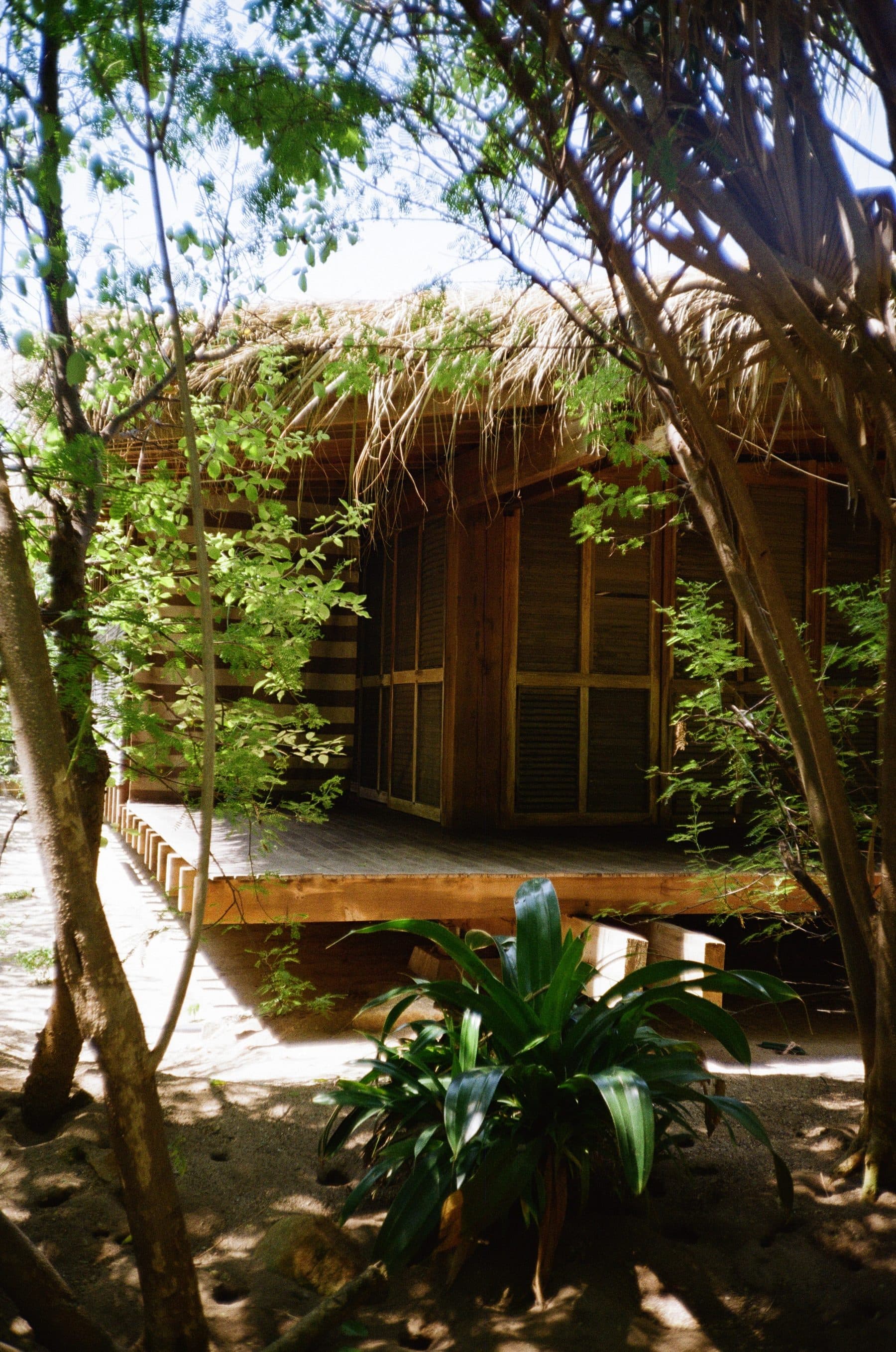
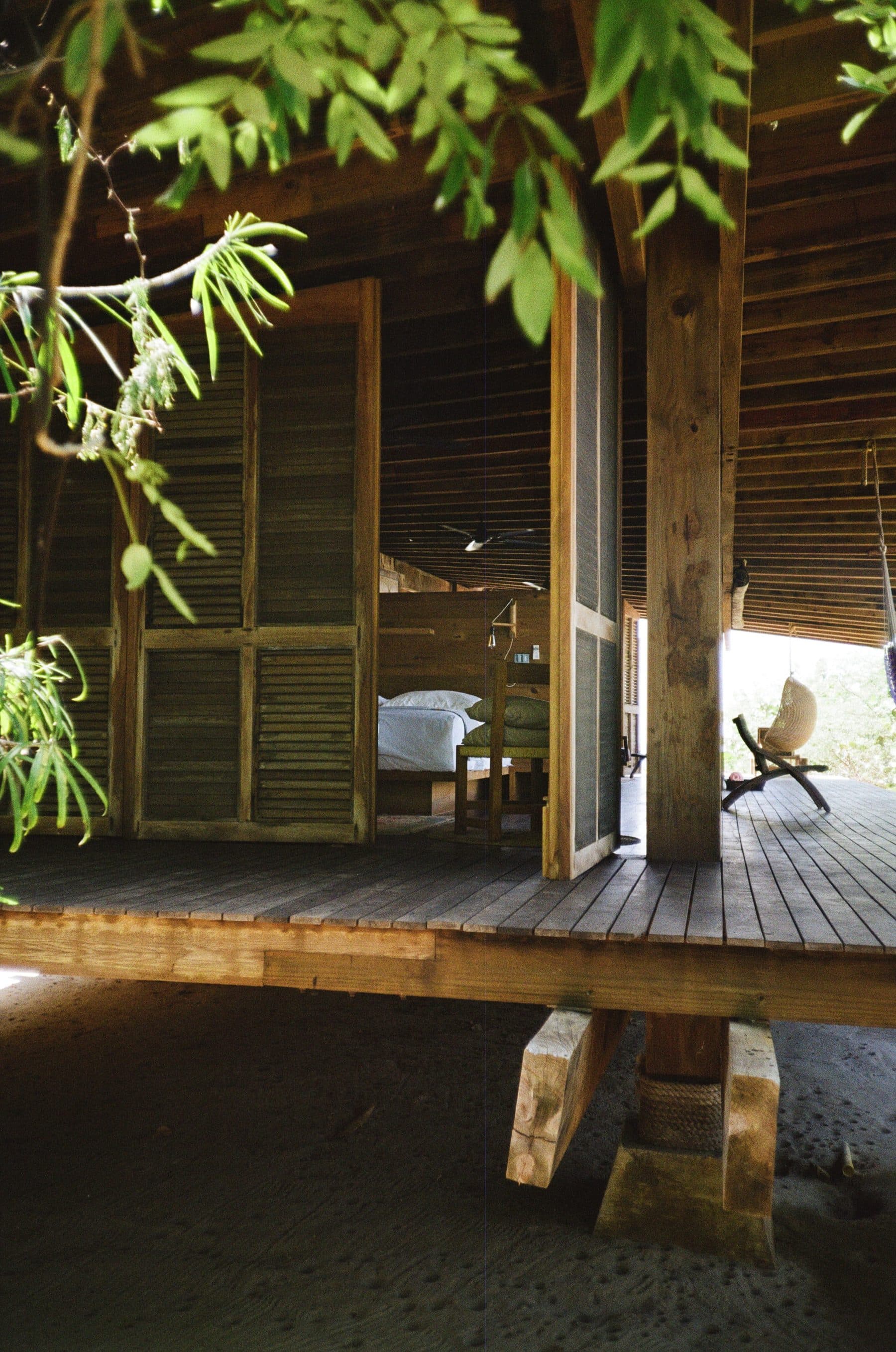
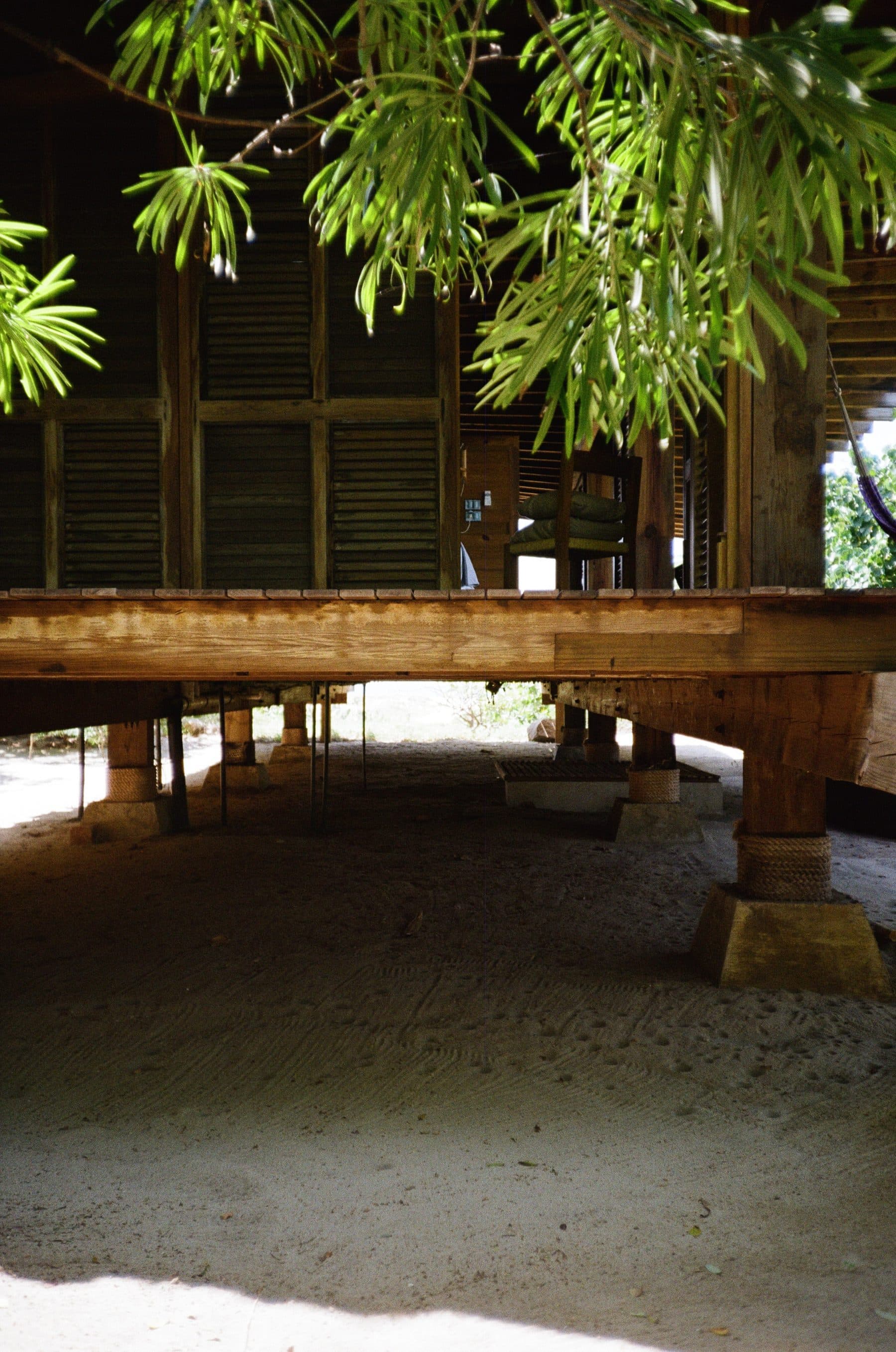
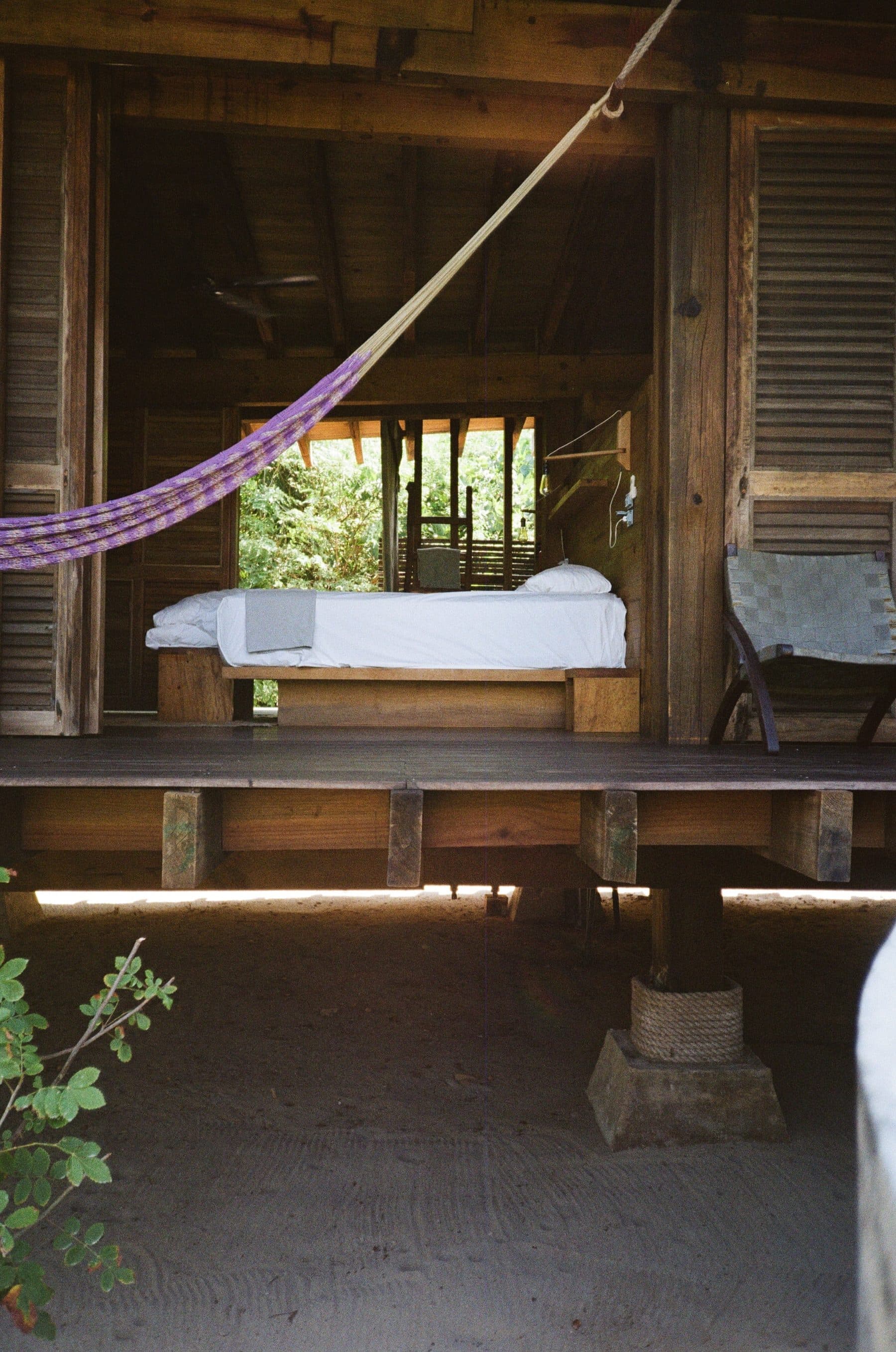
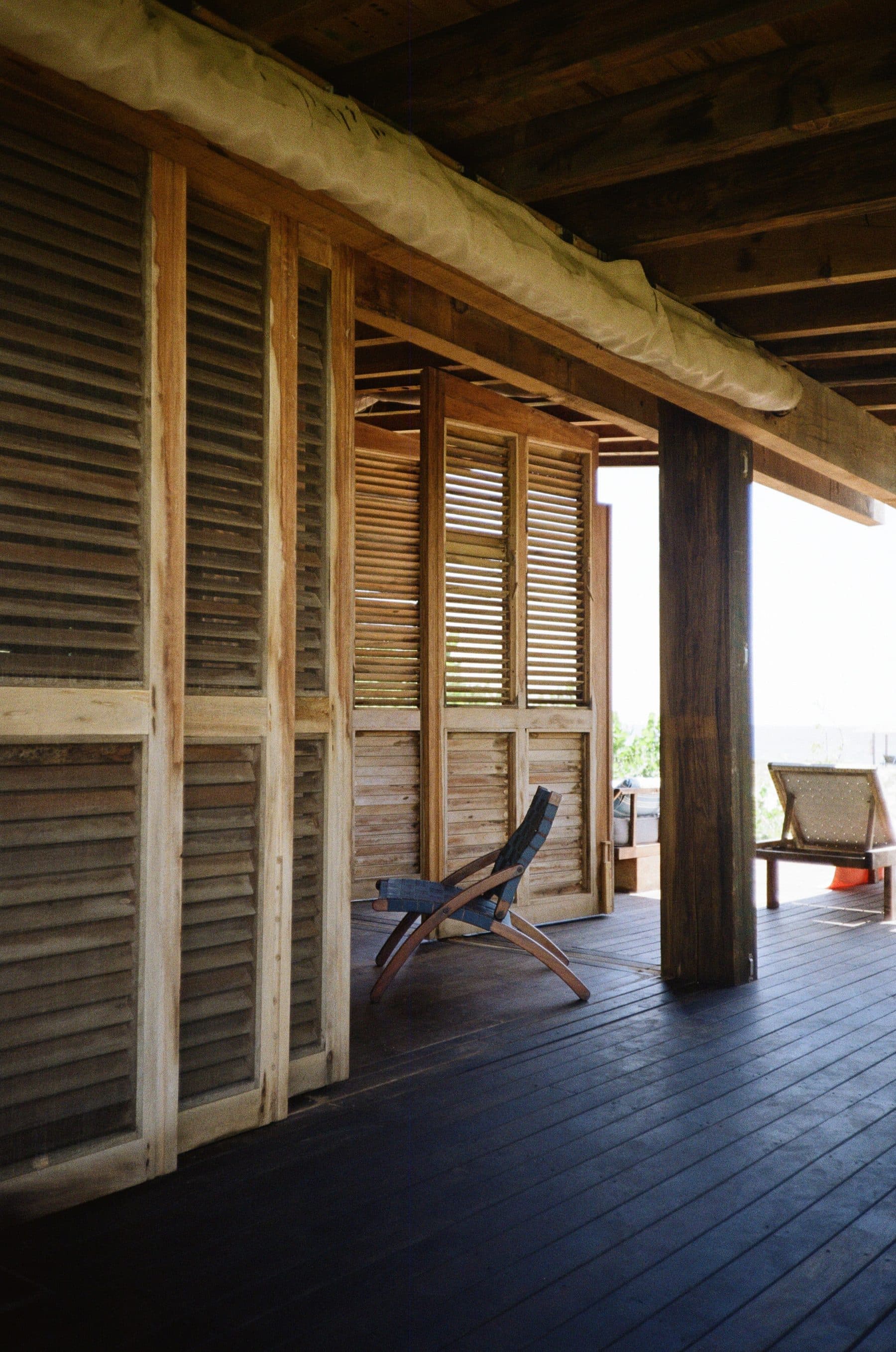
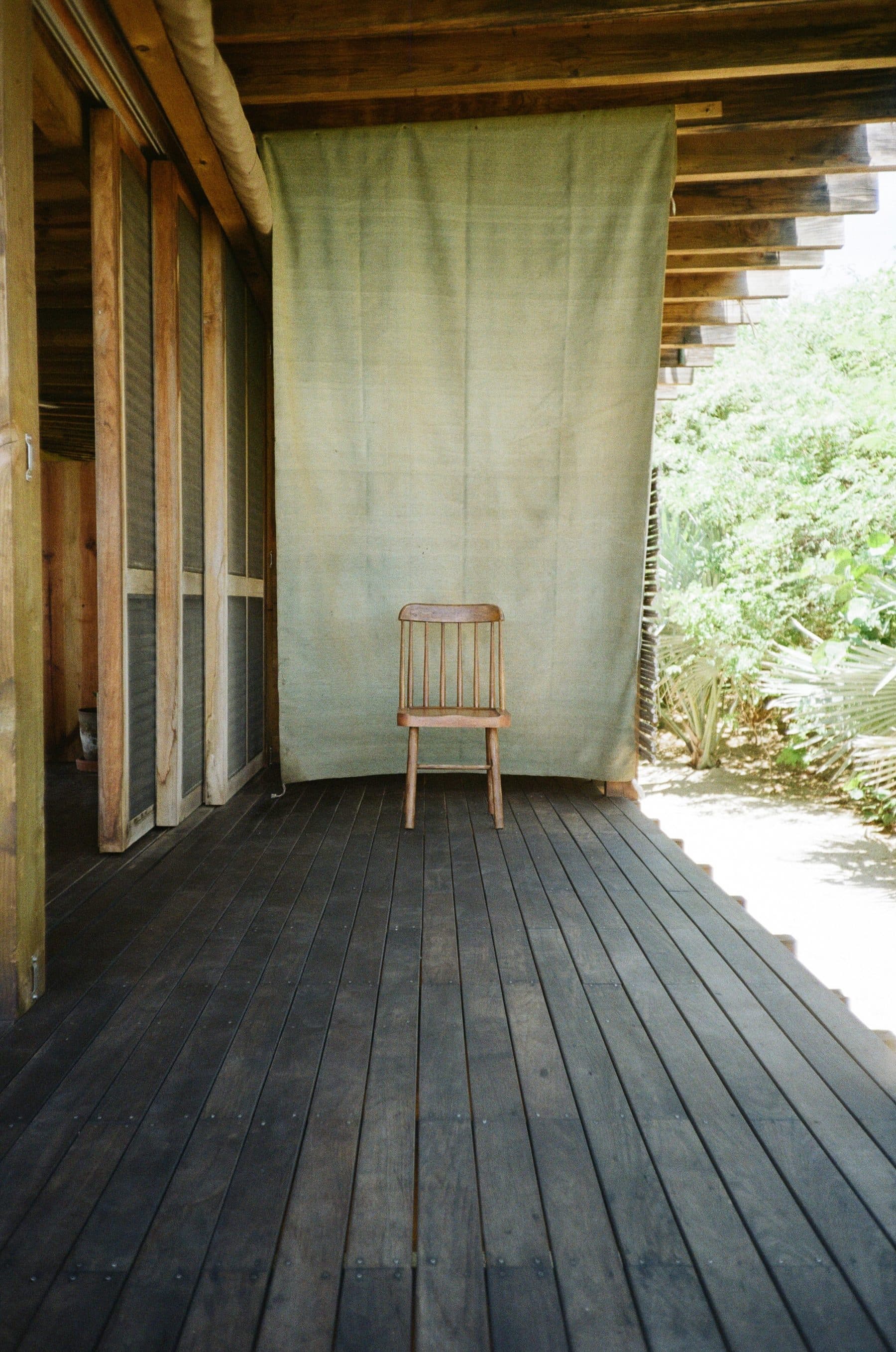
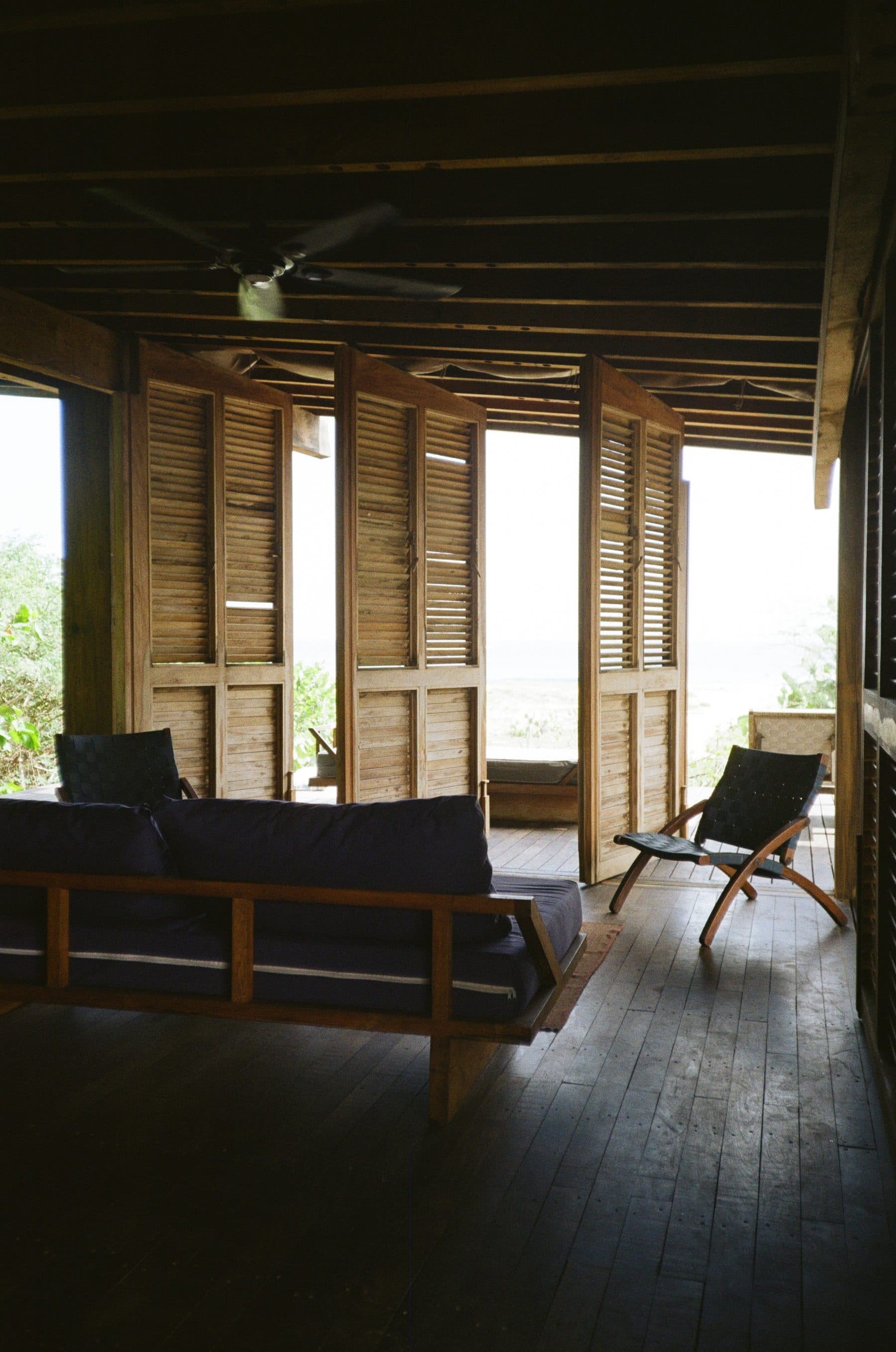
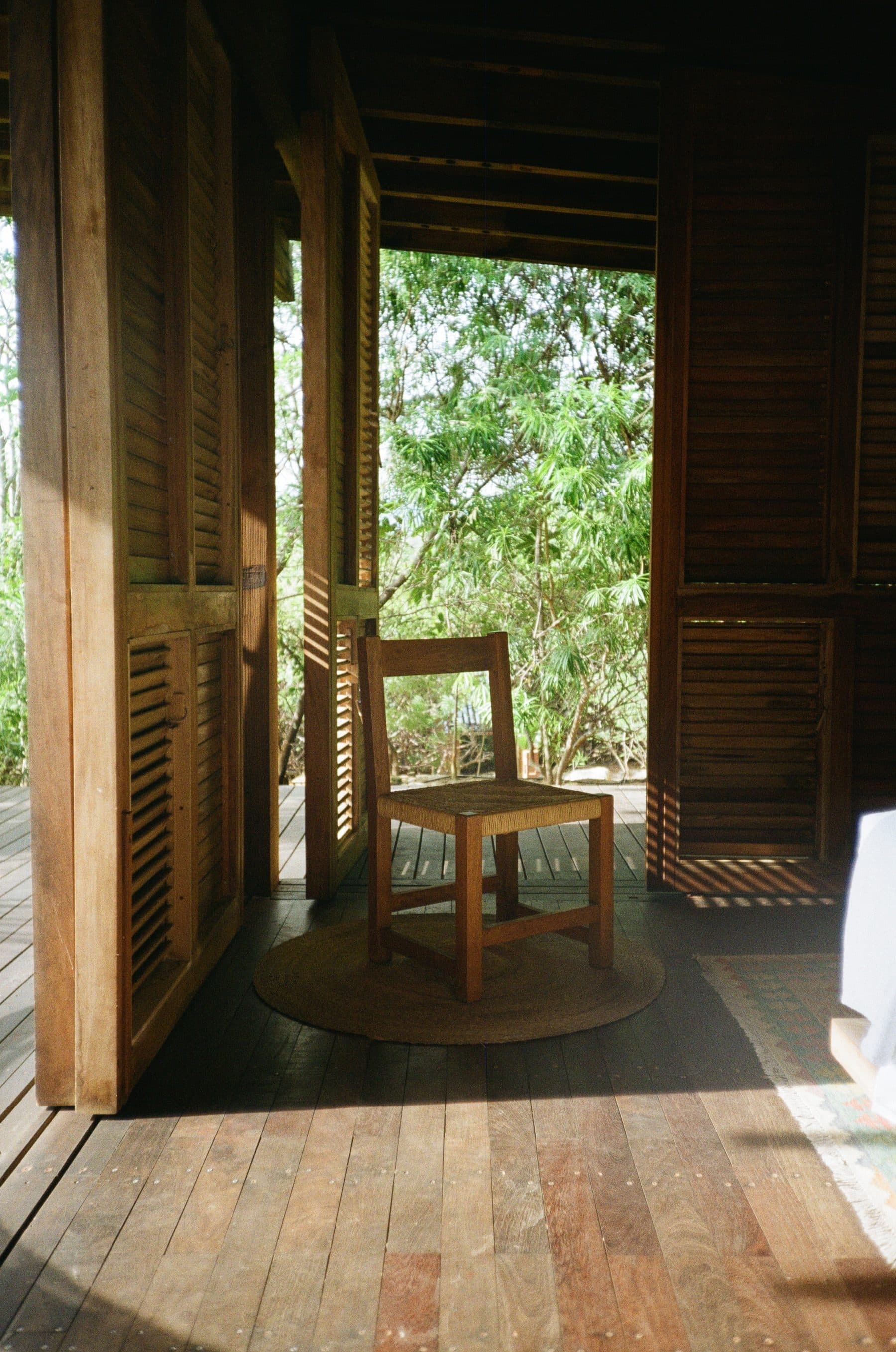
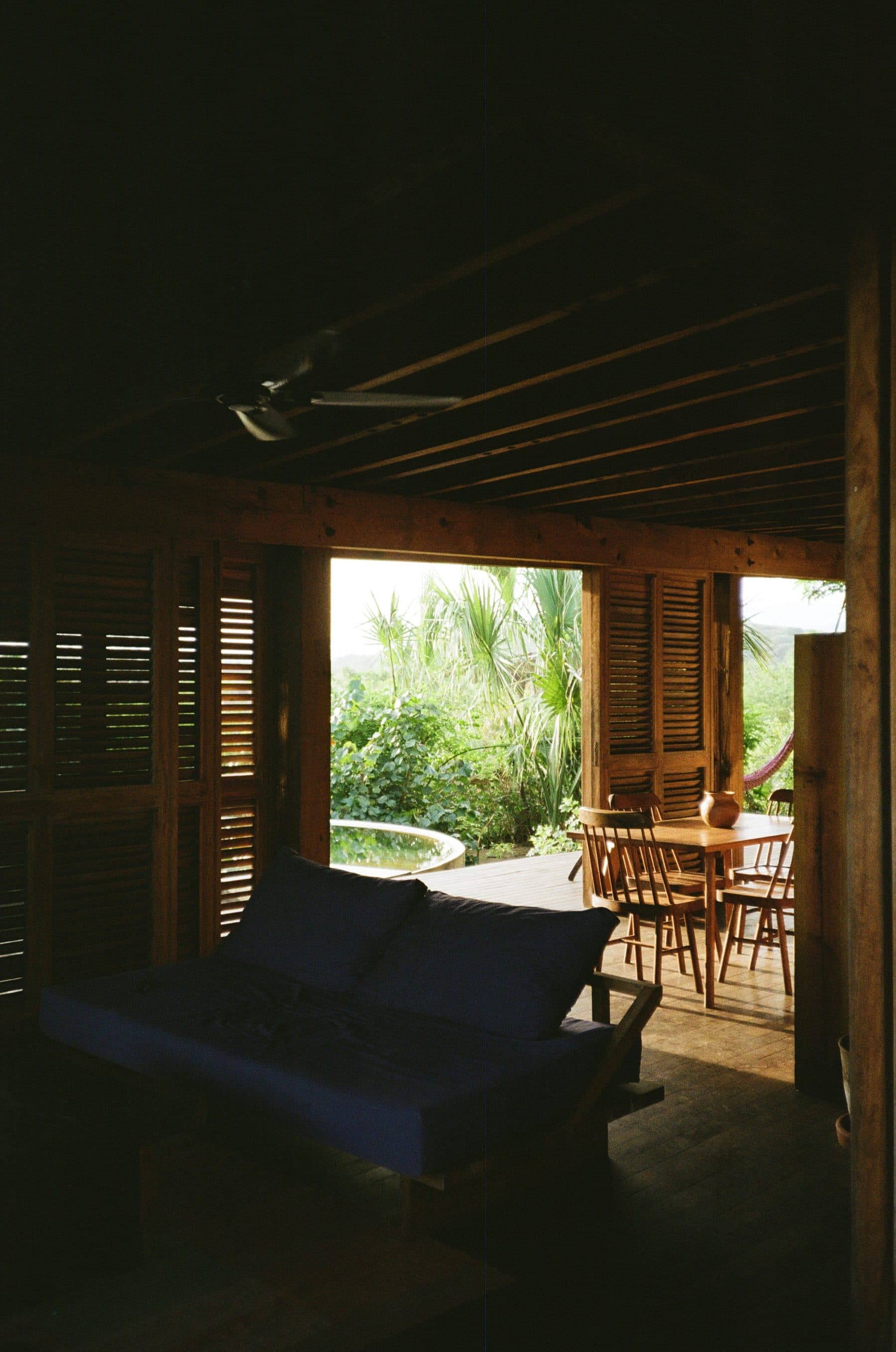
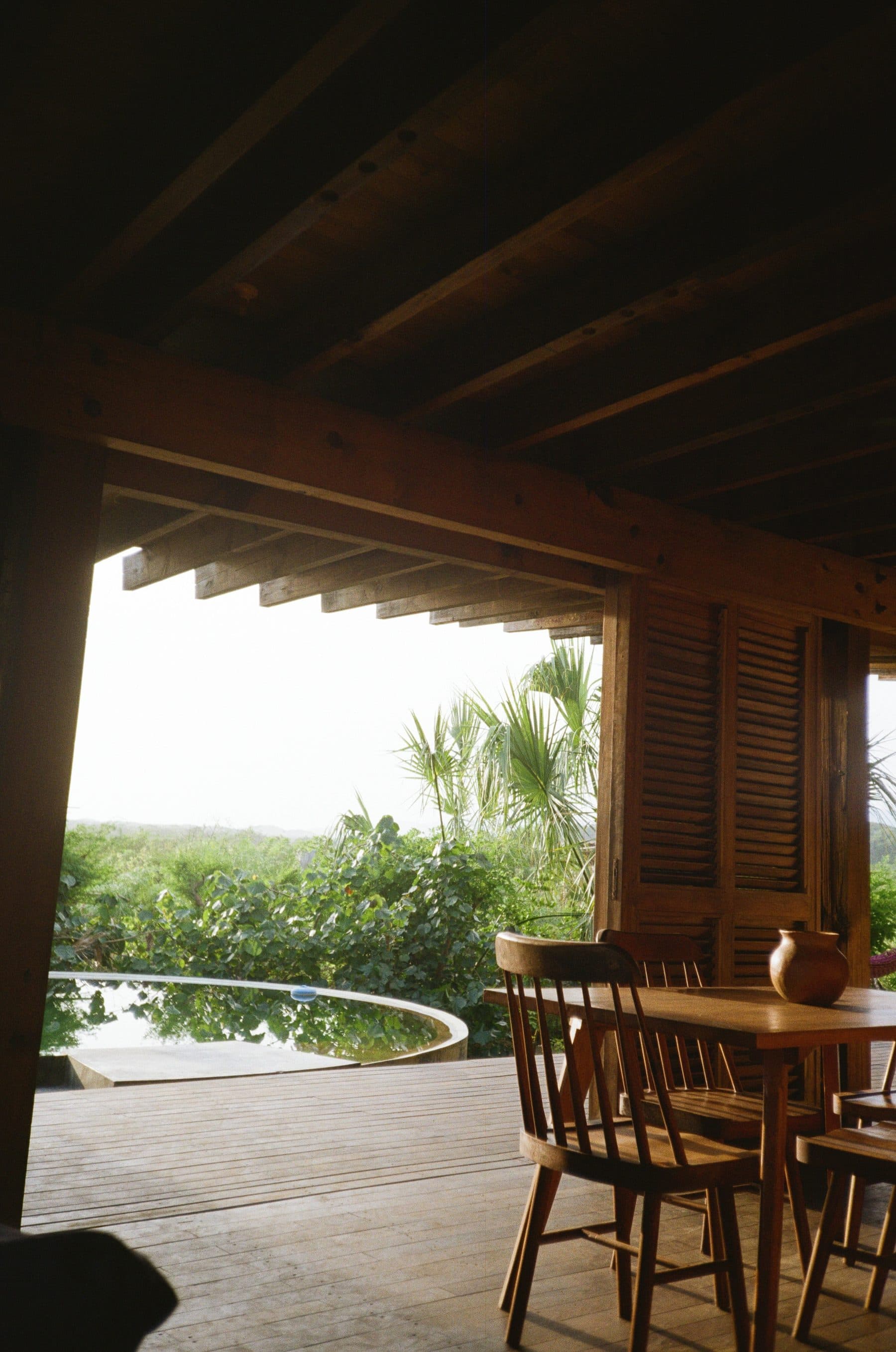
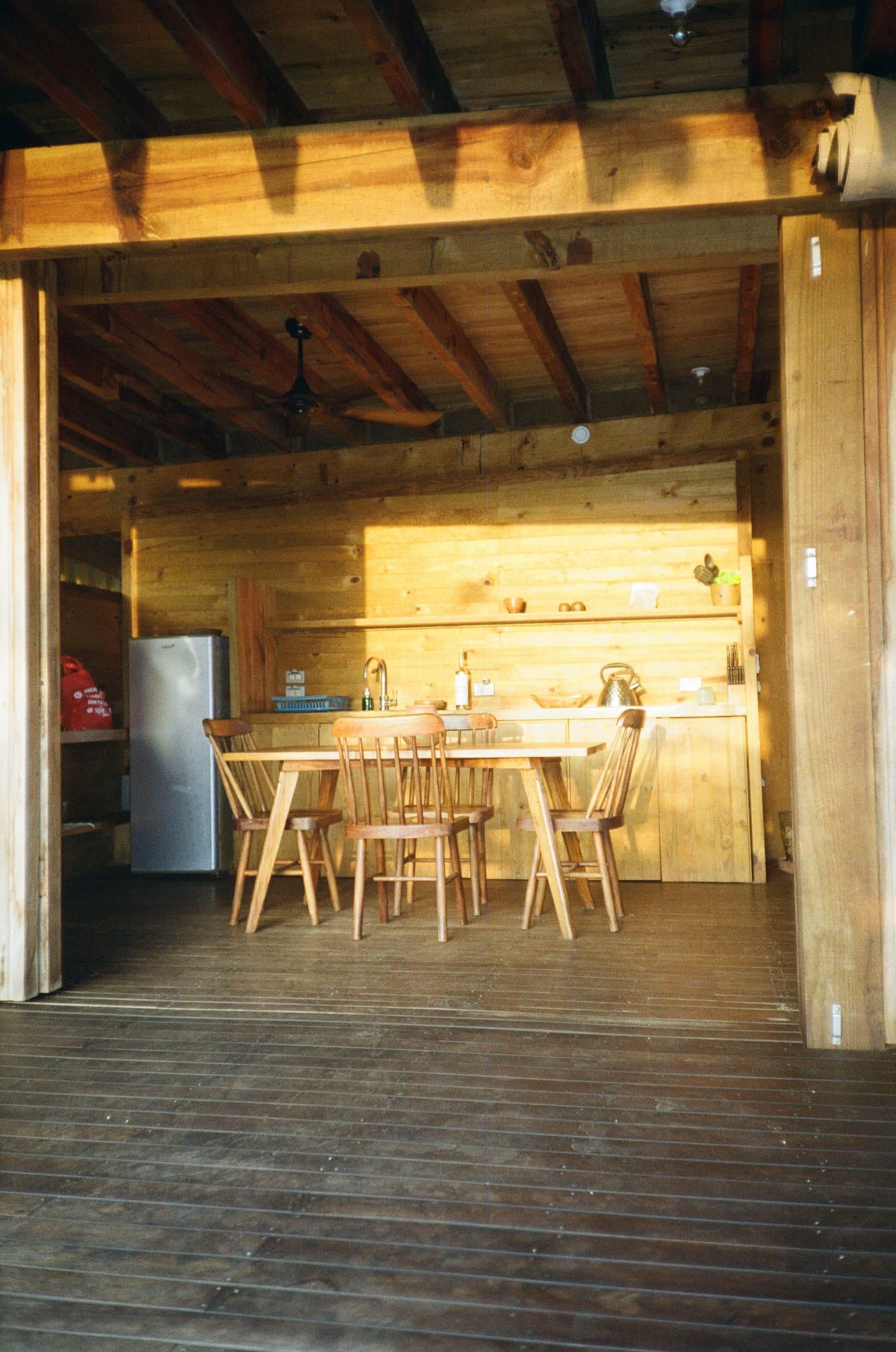
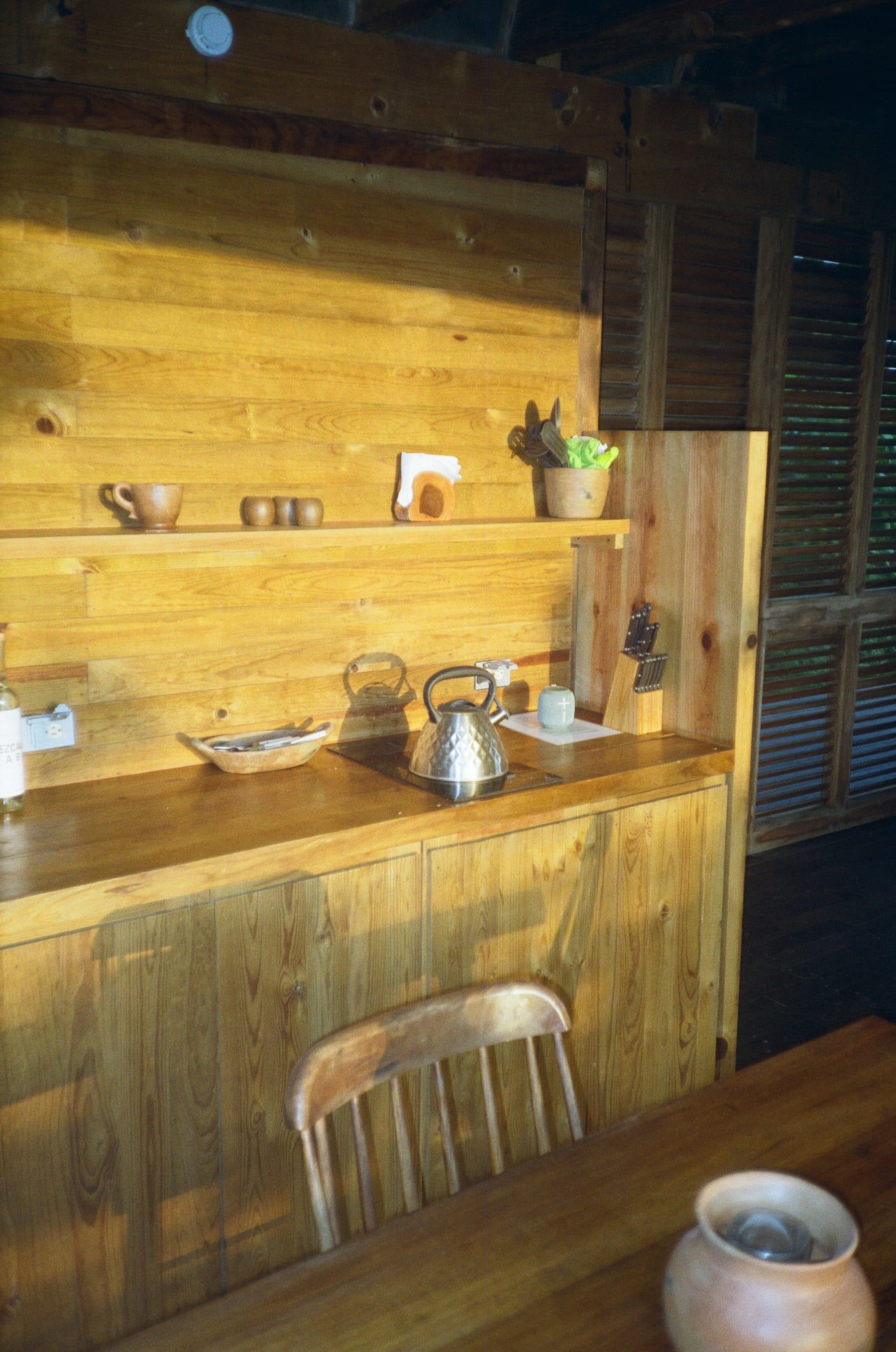
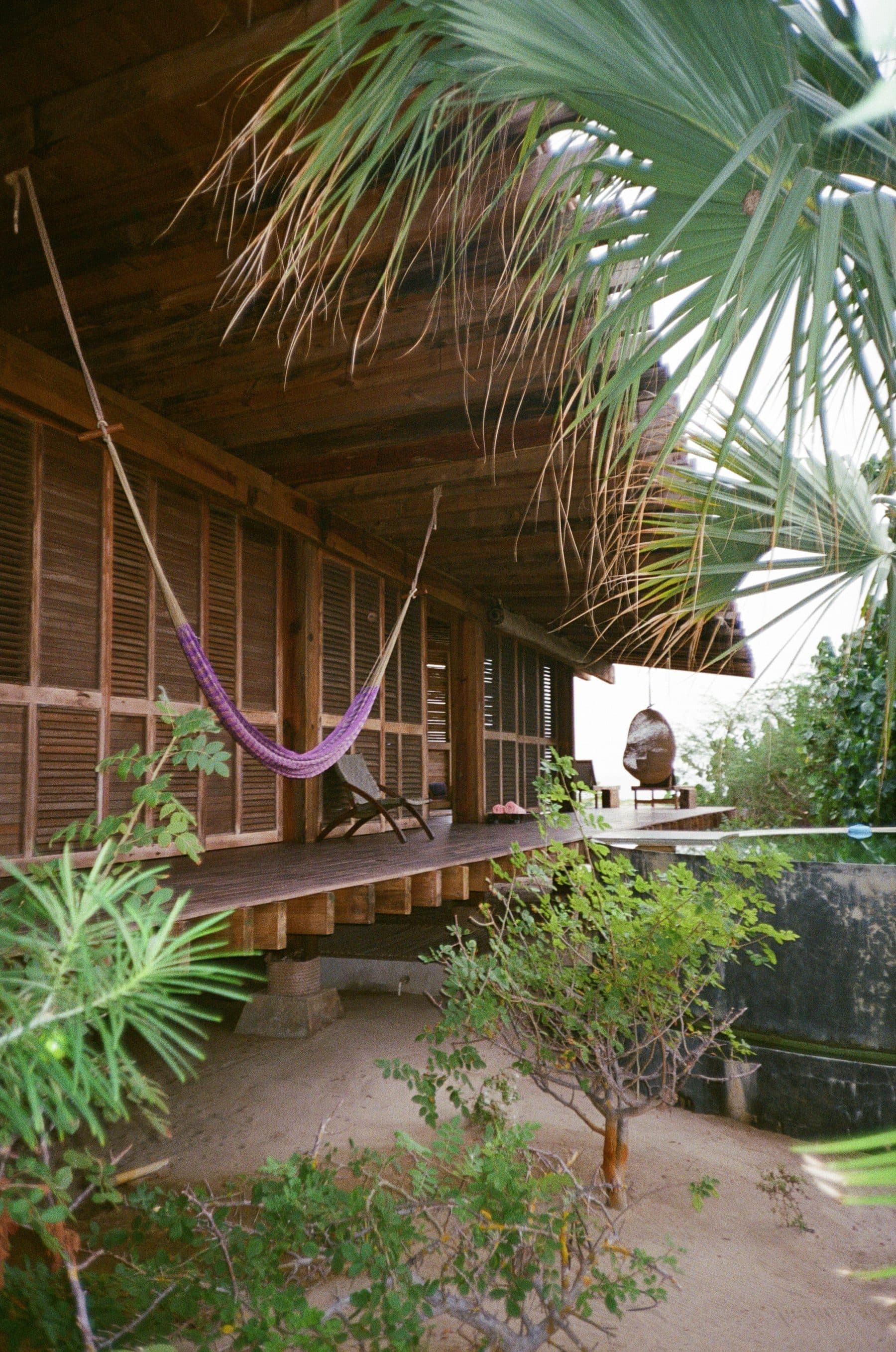
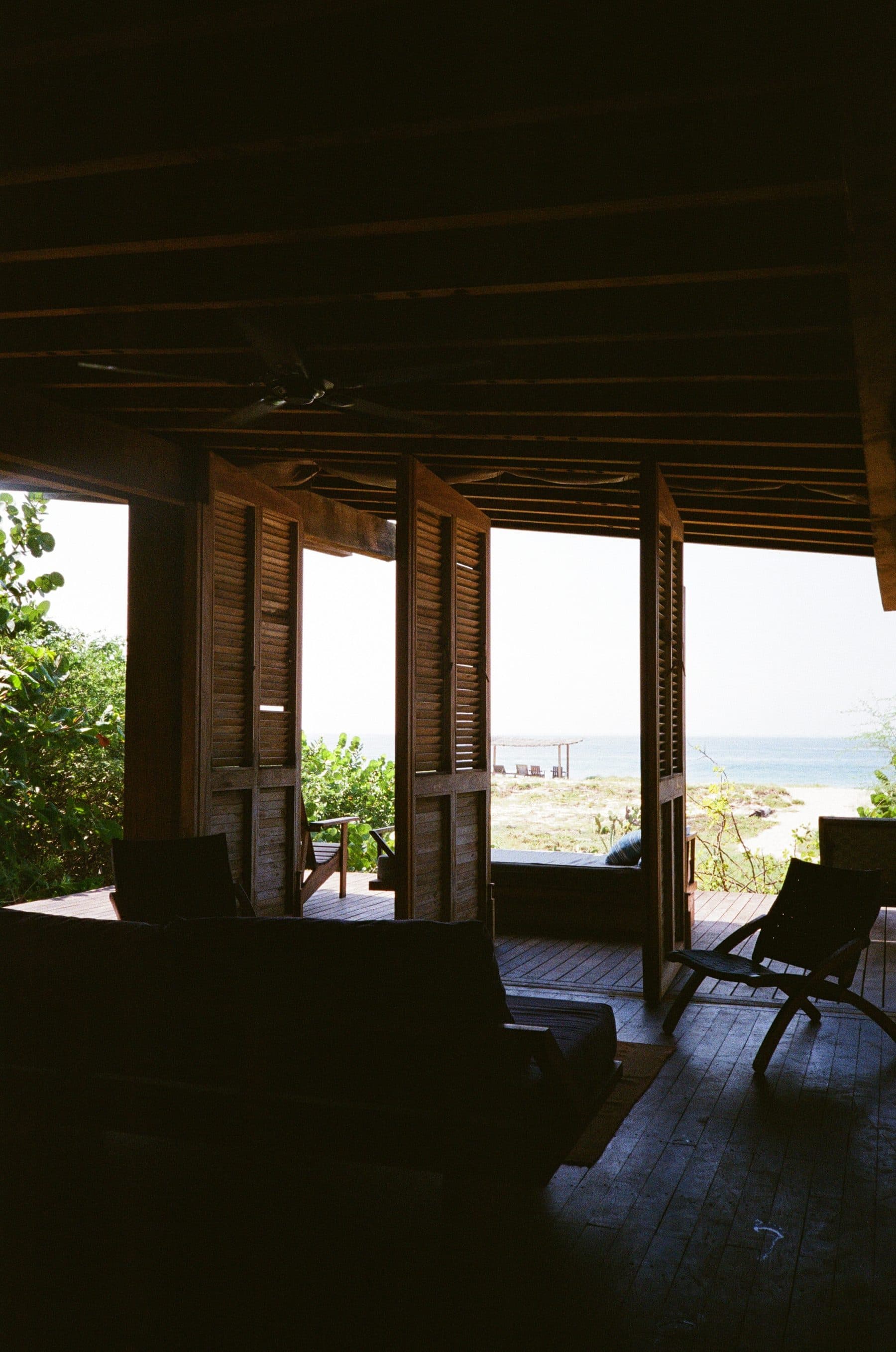
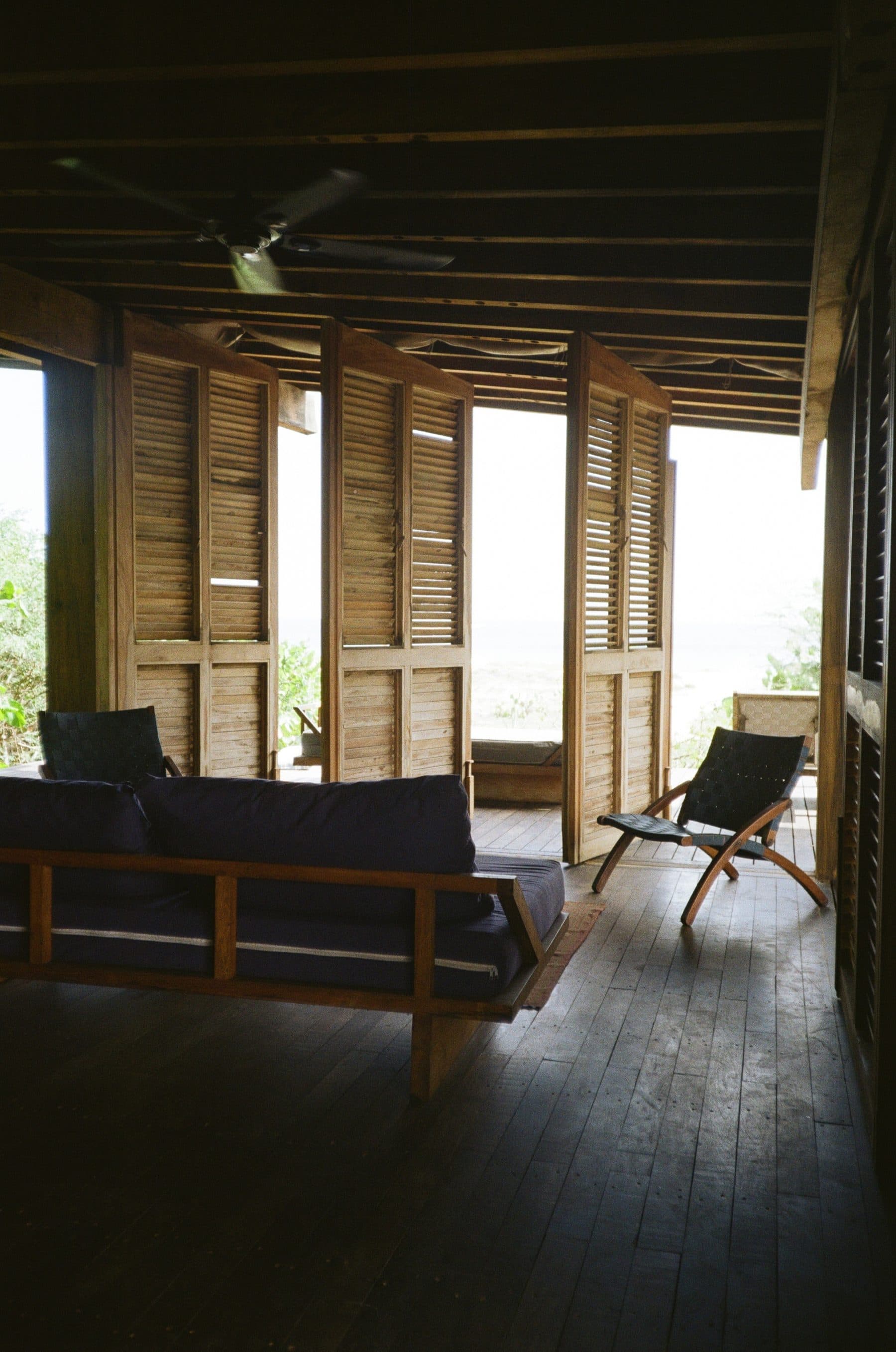
Each villa sits up on thin pine pilotis so the ground, and whatever is moving across it, runs right under the floor. The floors are macuil, the doors tzalam, all of it certified by Mexico's environmental ministry. The walls are louvered shutters, not glass, so the waves are in the room all night. The roofs are palapa. About ninety-five percent of the power is solar, the irrigation comes from wells, and the kitchen scraps go next door to Casa Wabi's compost. Luis put it plainly over dinner: the furniture is nice, the mattress and the sheets are nice, but the point of the place is to reconnect with nature. Coming from the city, you feel that within the hour.
Everything else is kept simple on purpose. In the shower there's a natural soap and shampoo in a plain bottle with the Punta Pájaros name on it. The speaker in each room does one thing. Nothing in the villa competes with the view, which is the right call.
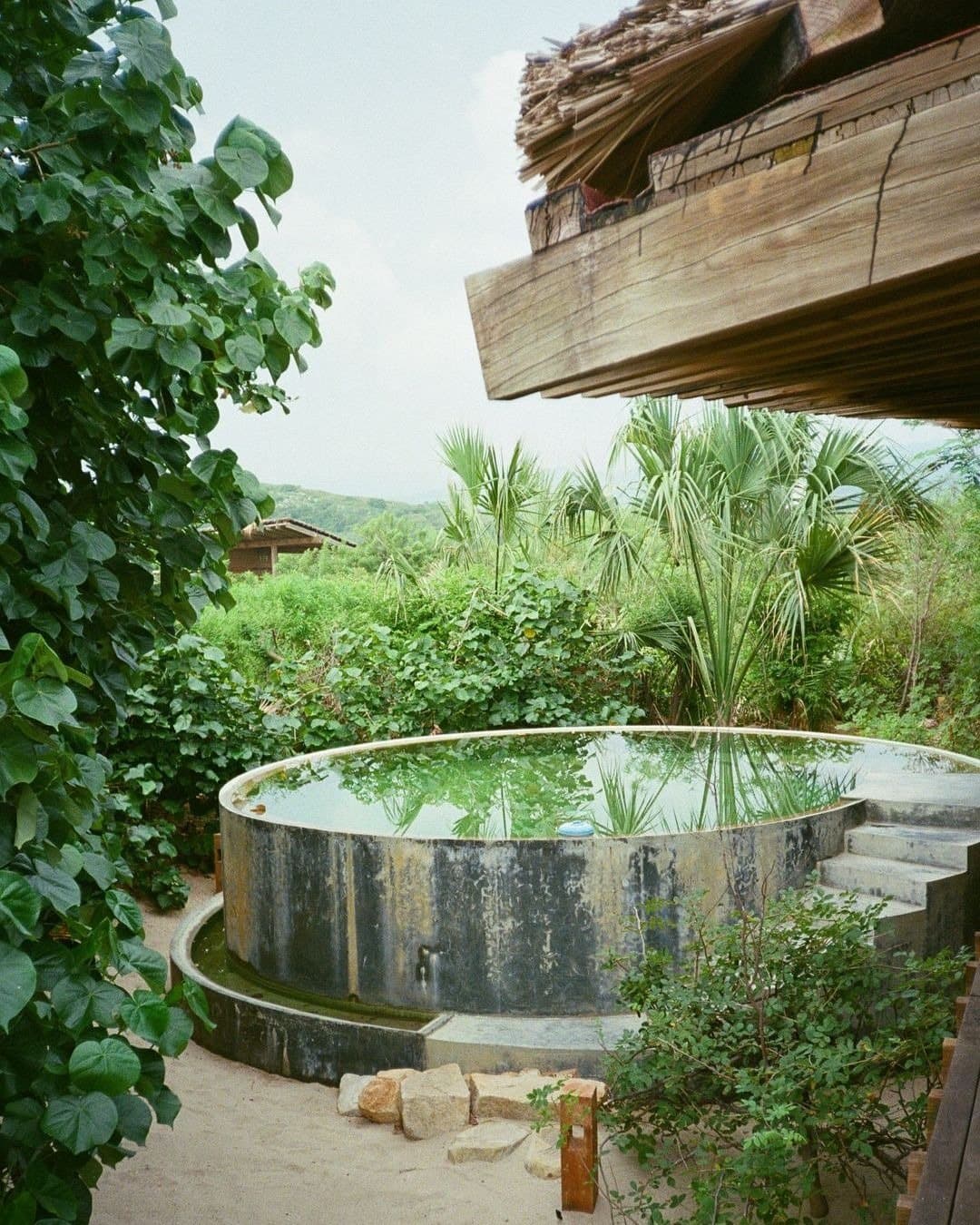
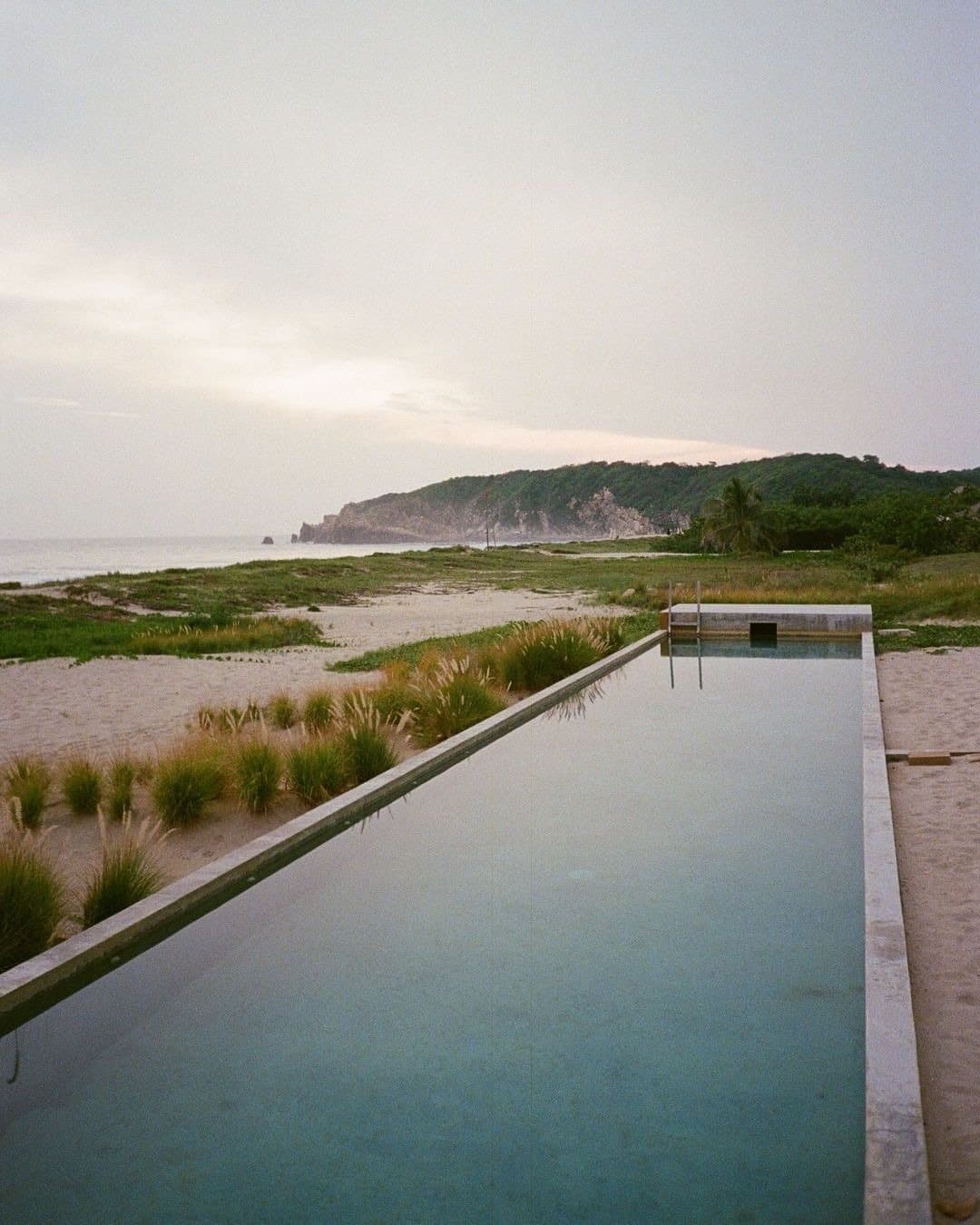
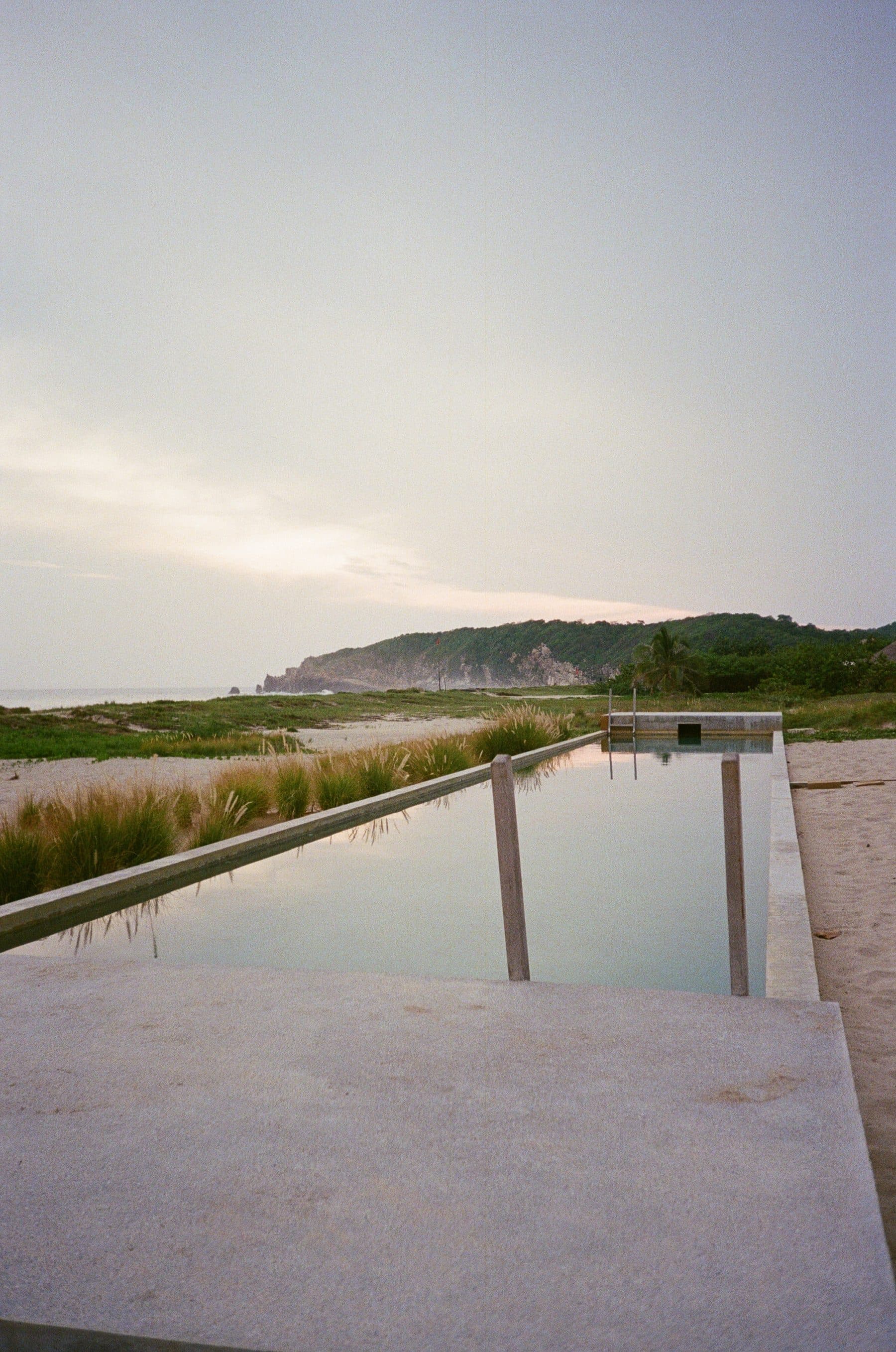
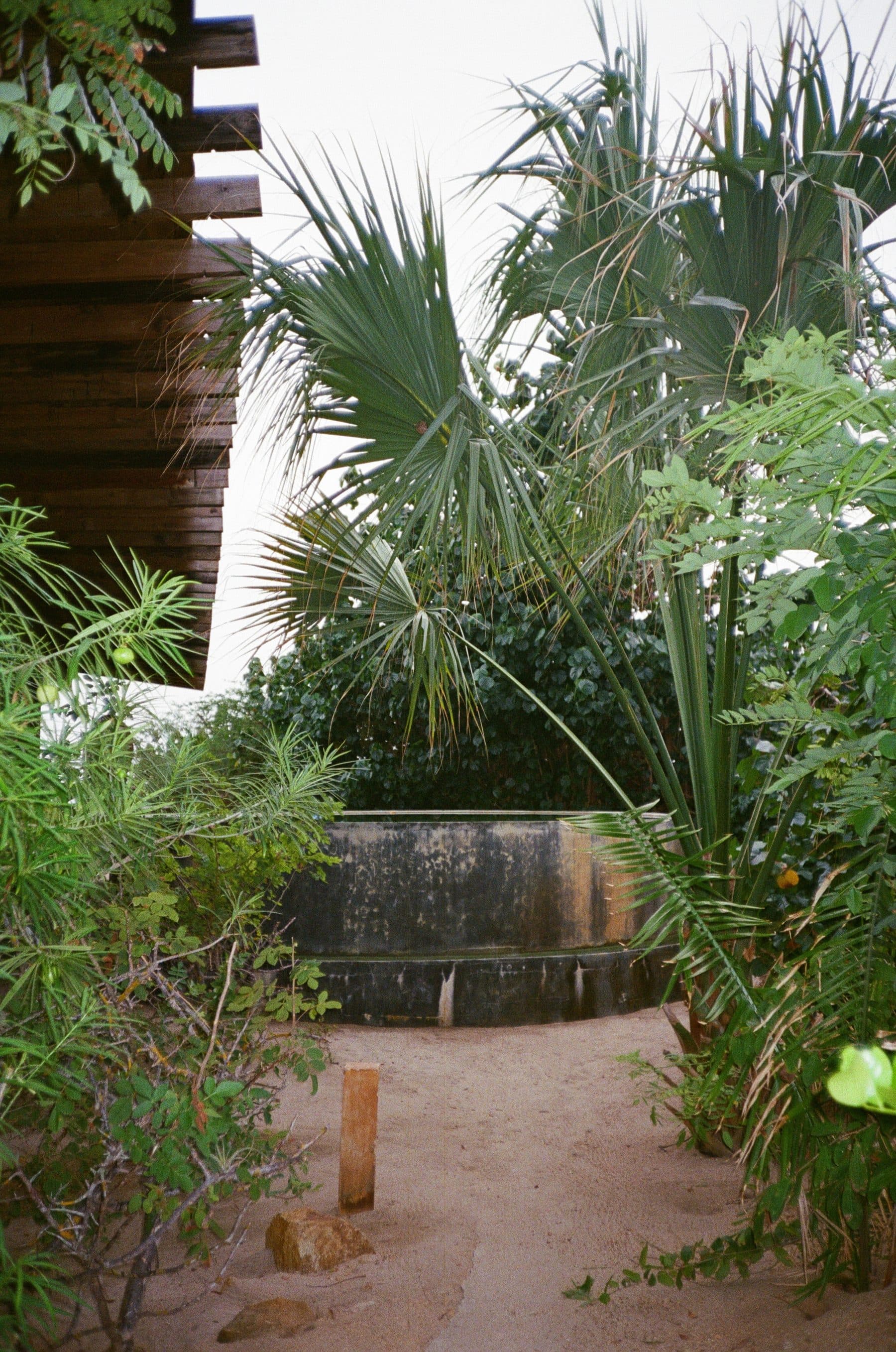
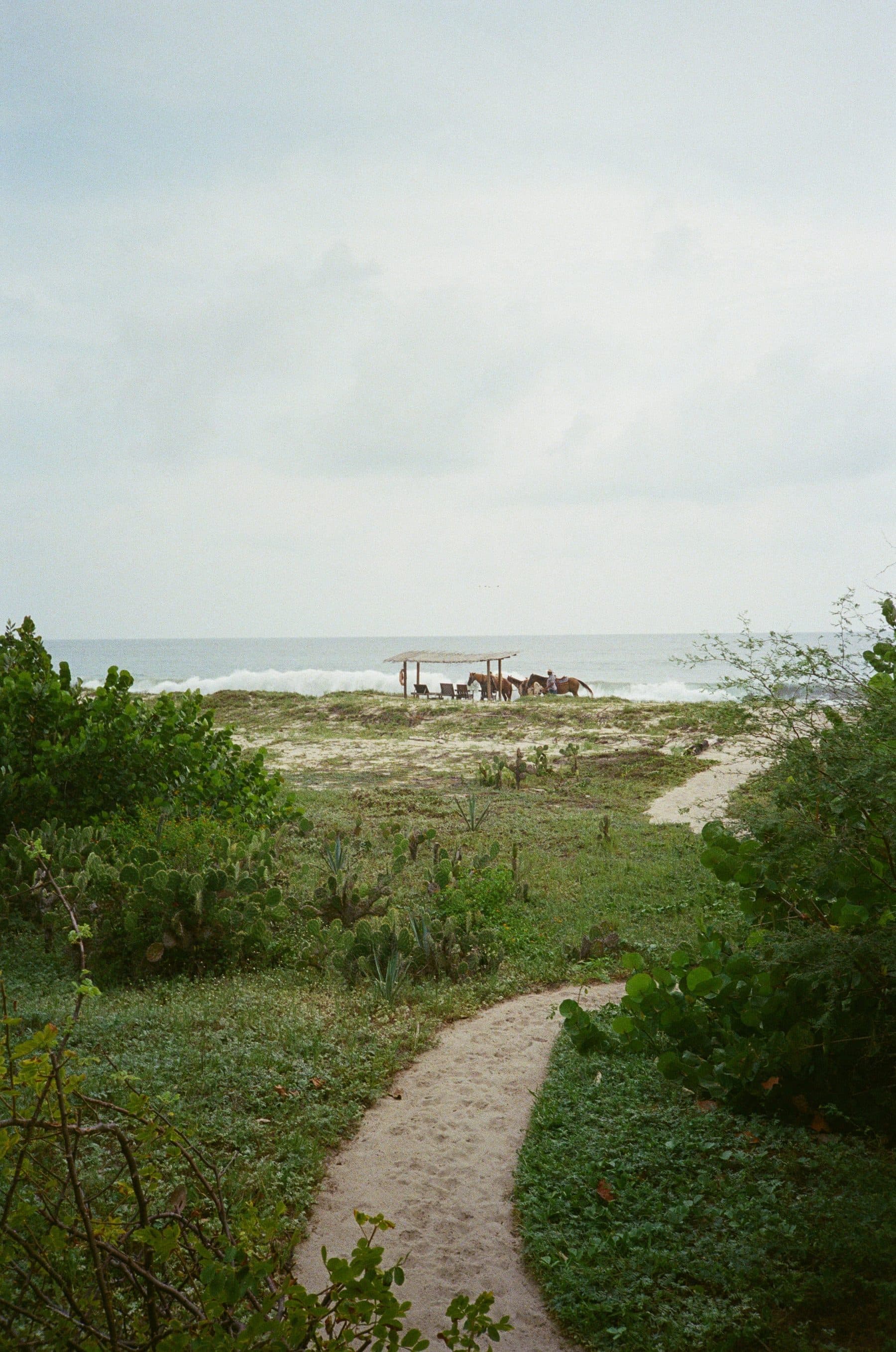
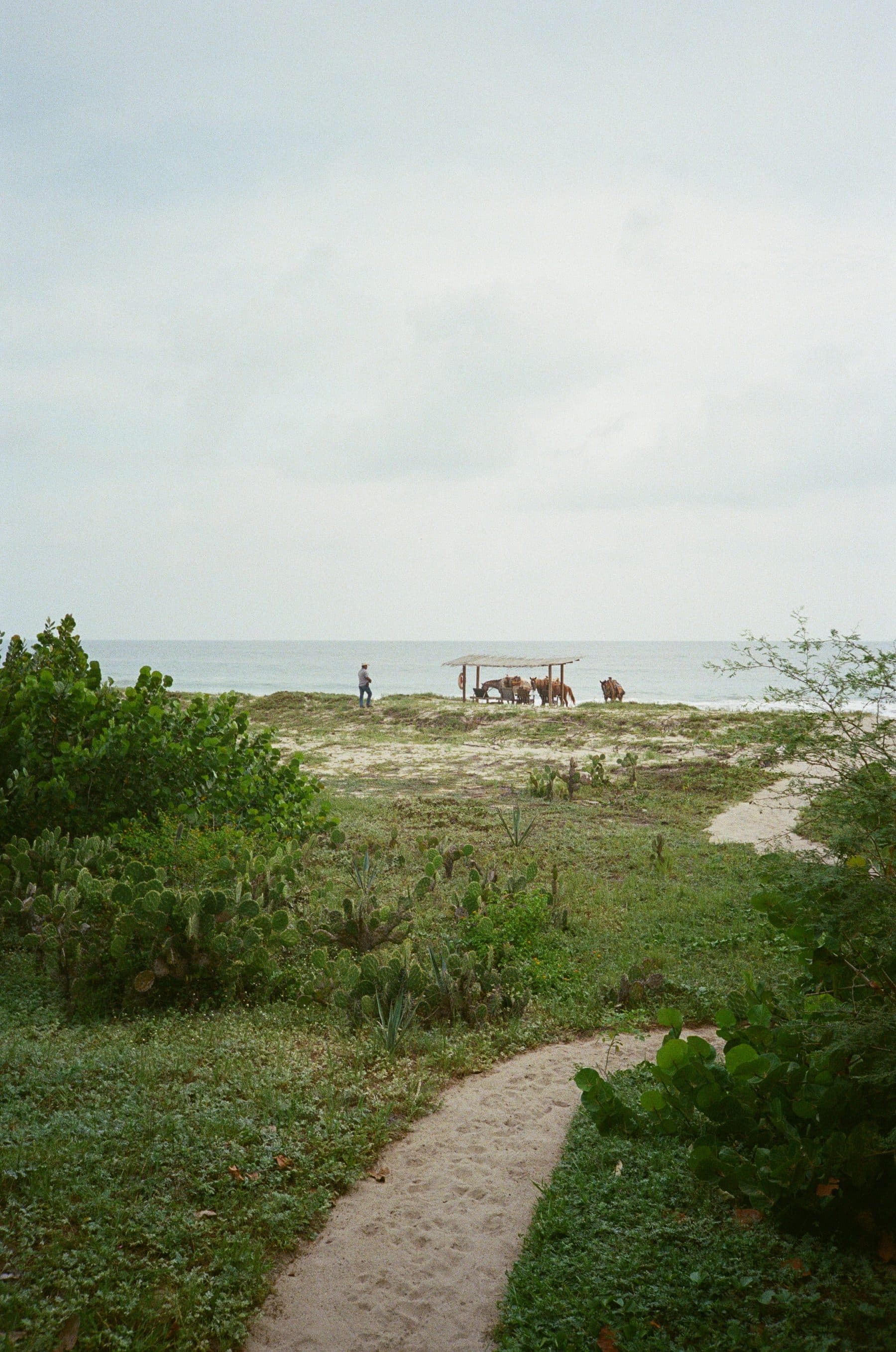
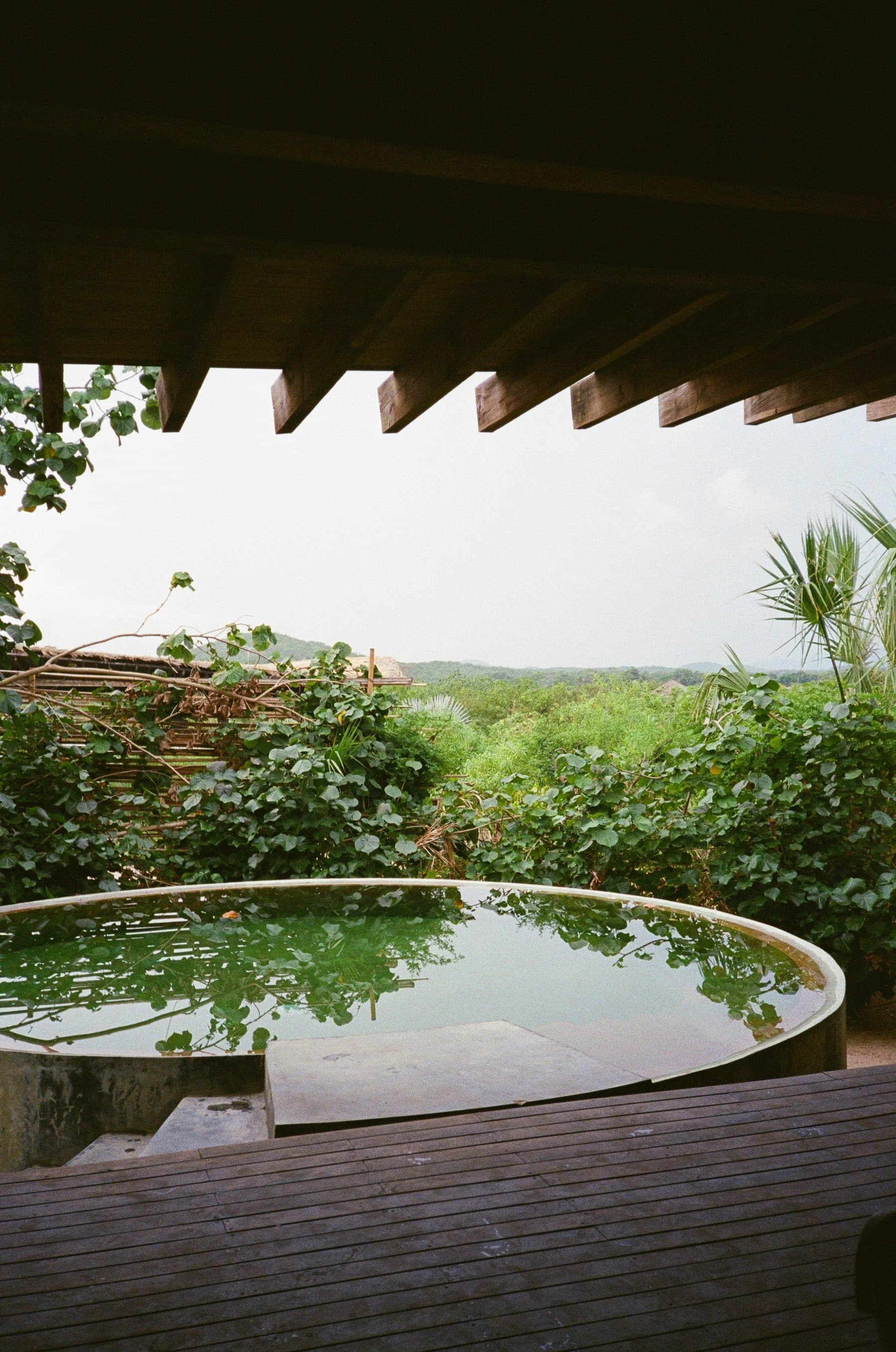
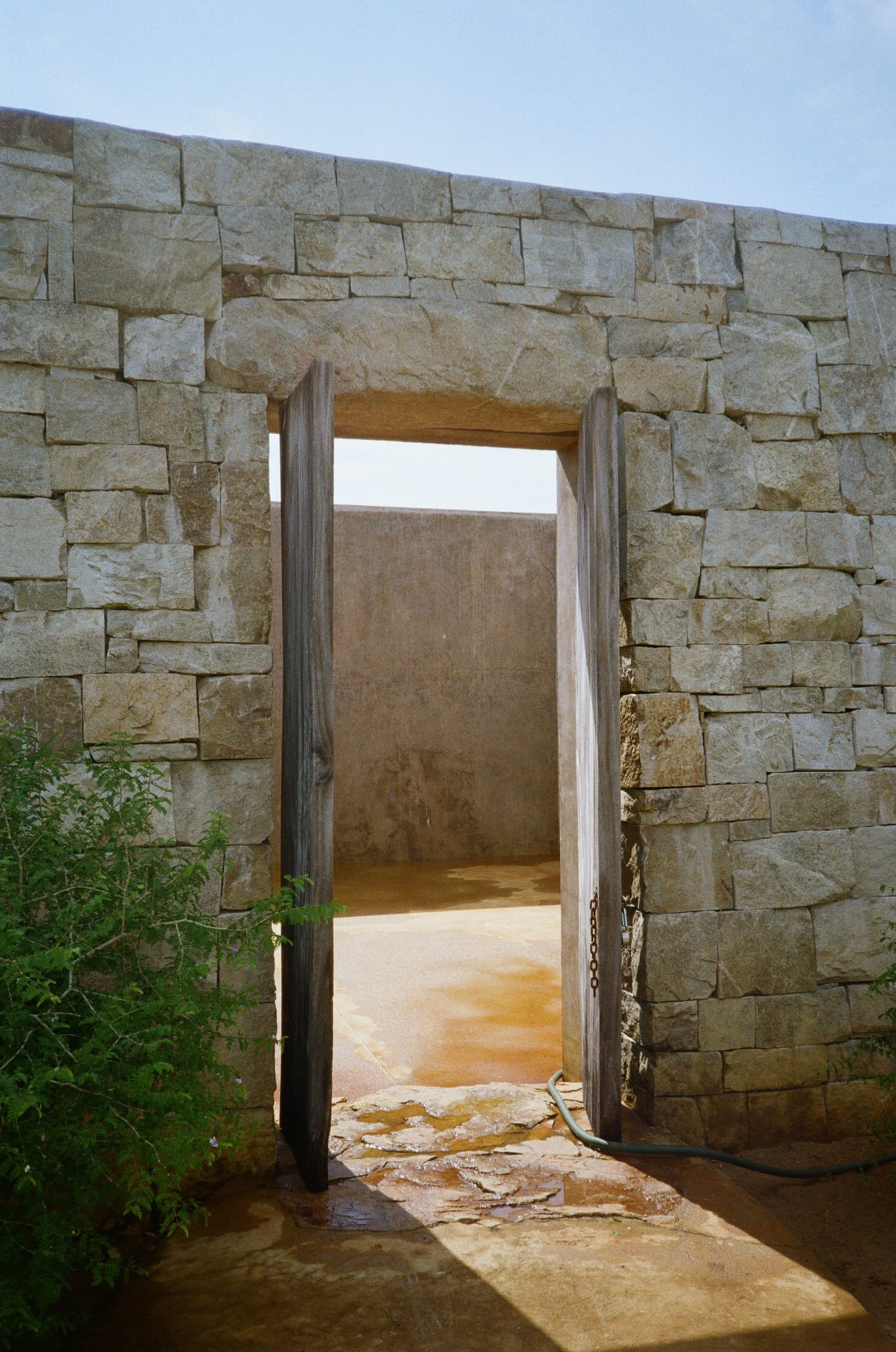
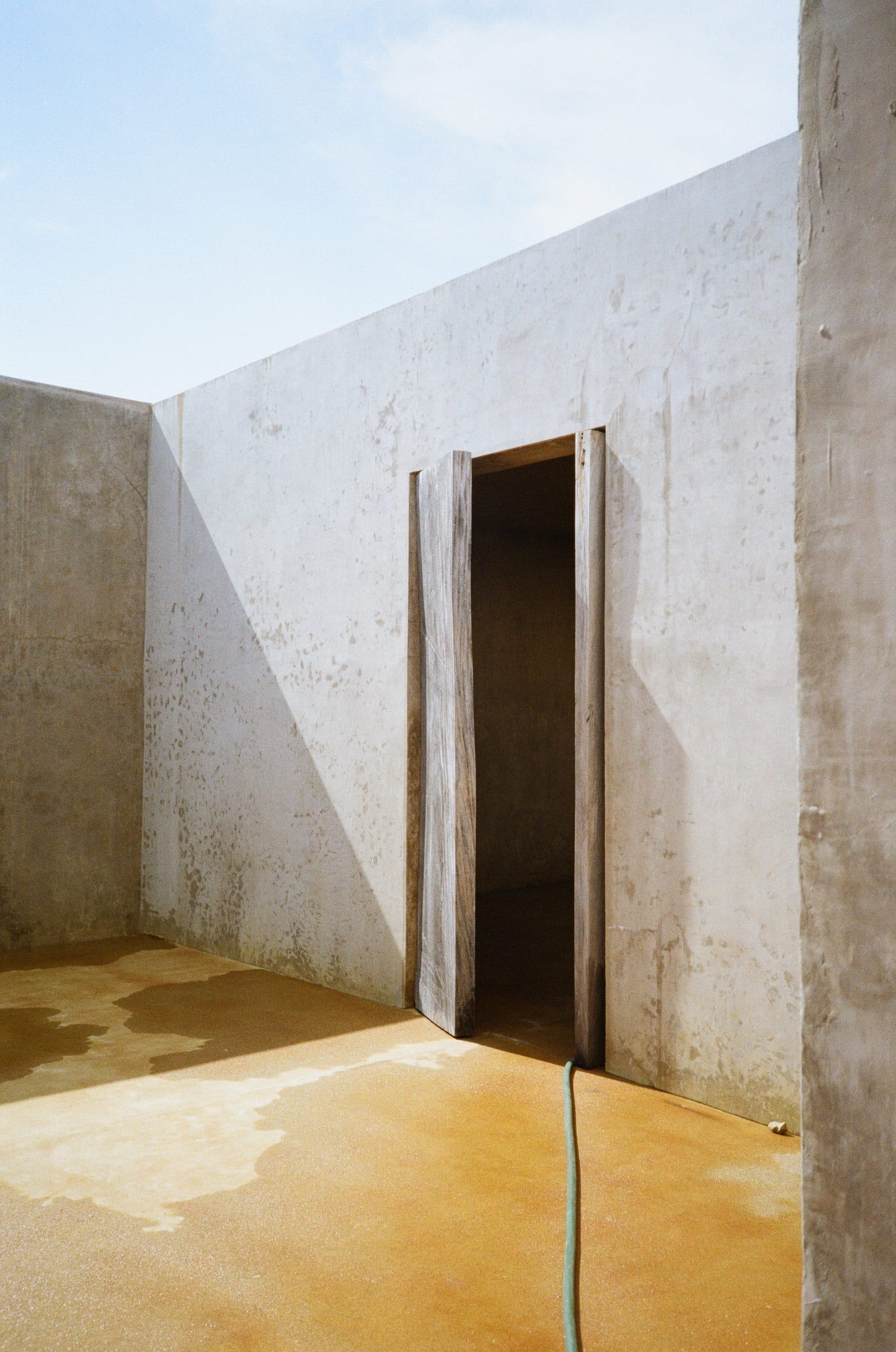
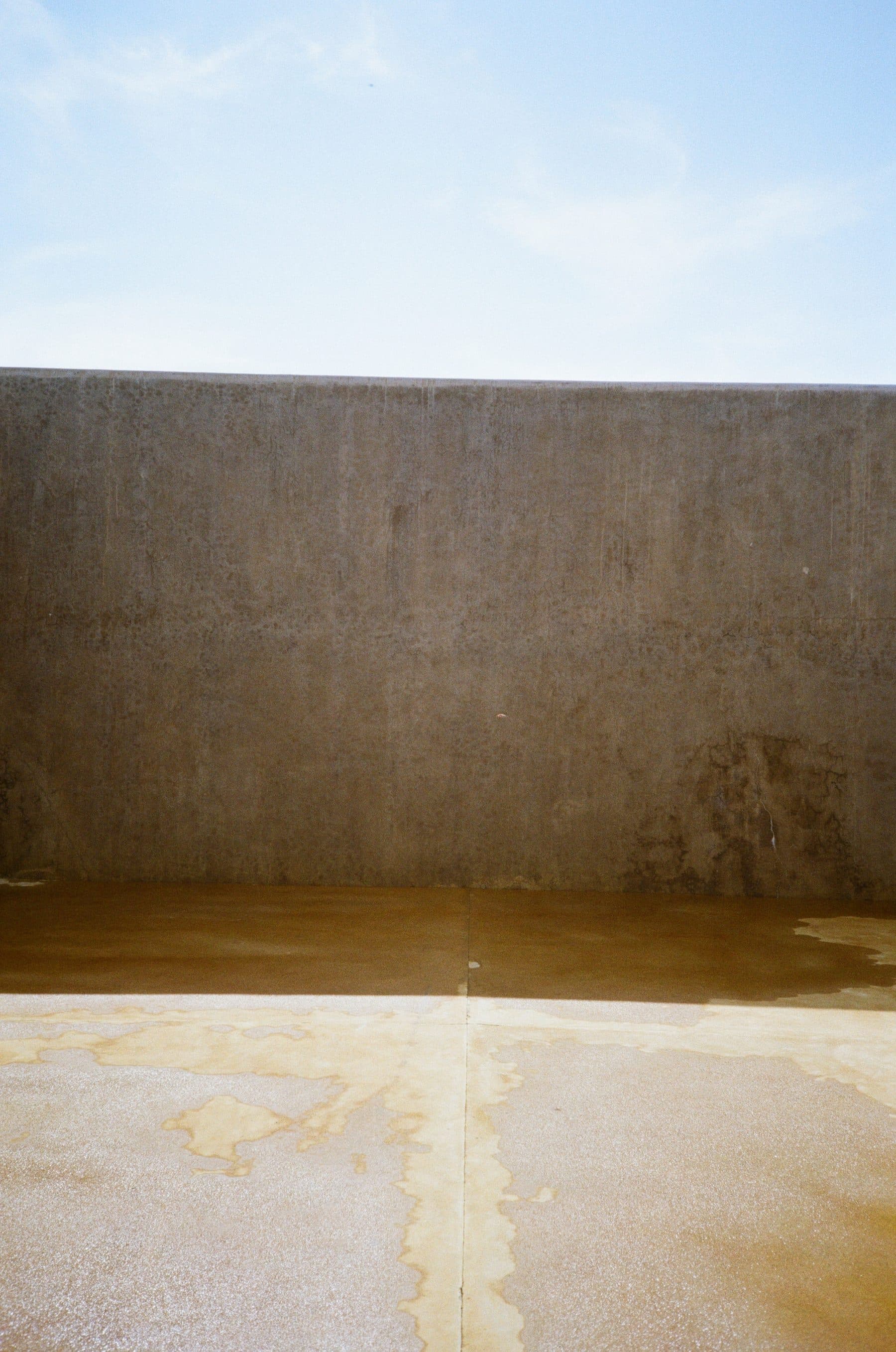
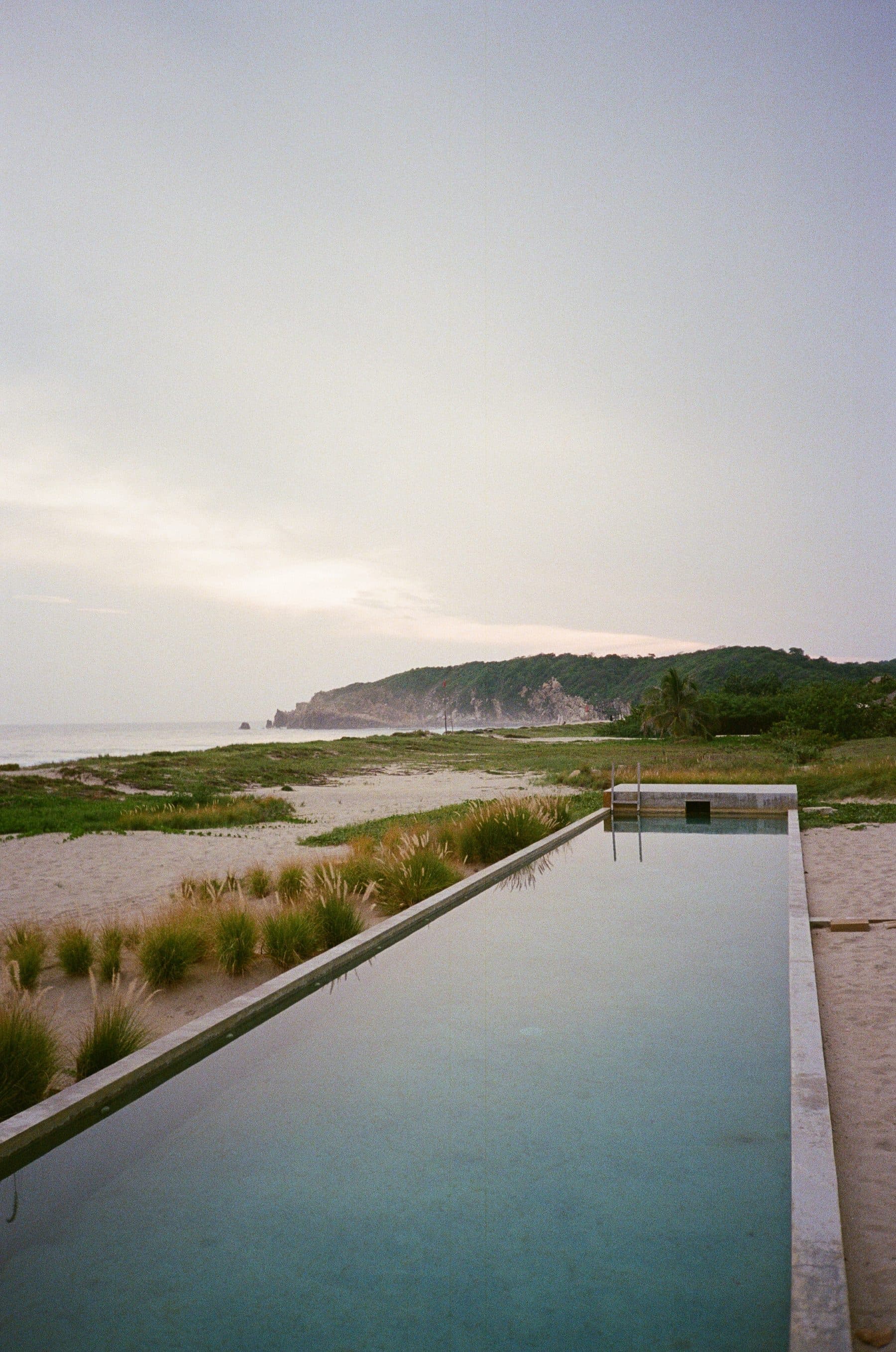
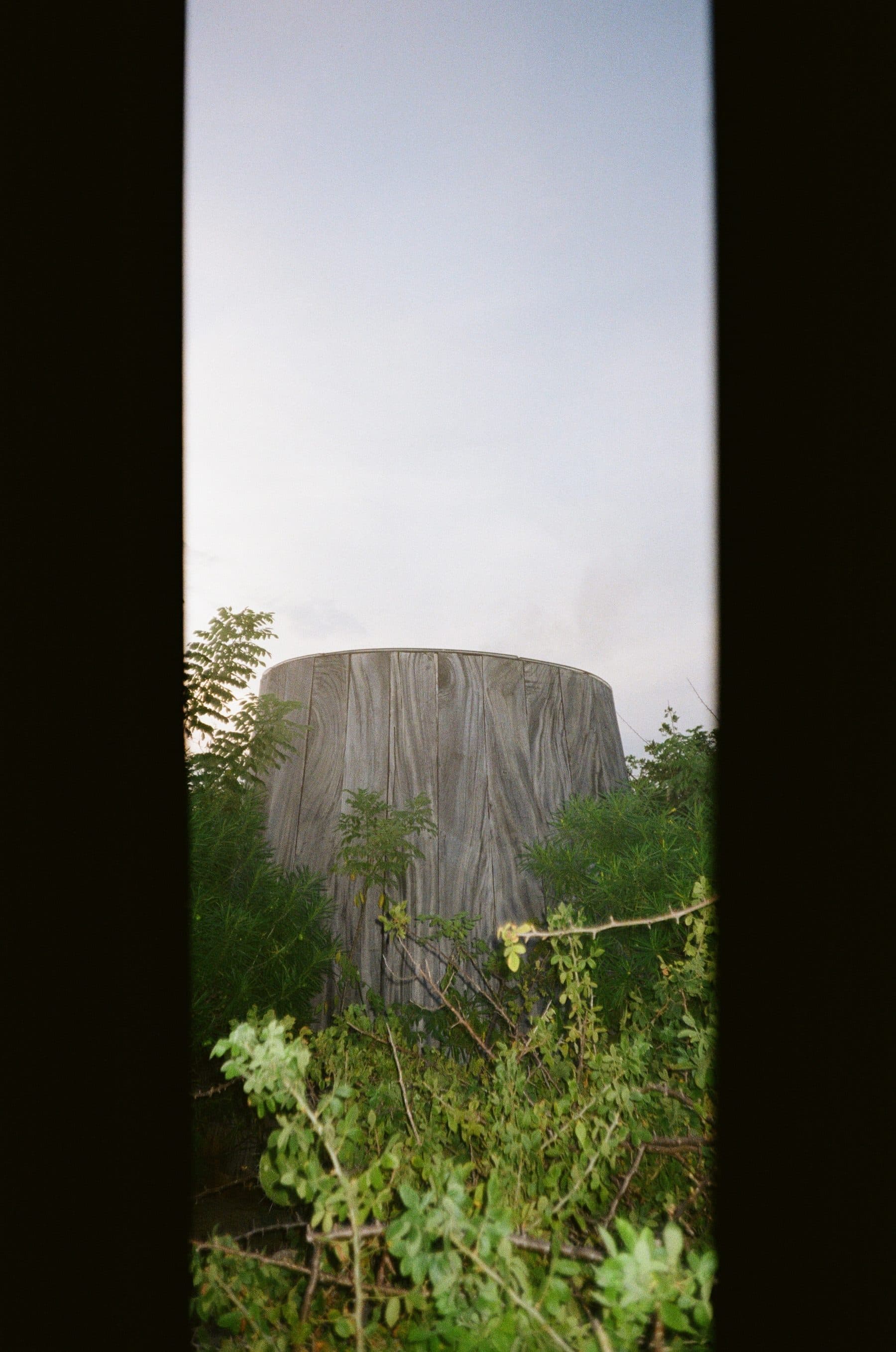
The day has a shape here. It starts with a Le Creuset canteen of fresh-brewed coffee dropped at your door in the morning. At six in the evening the sauna is where you want to be. It burns real firewood, so you can smell the smoke and hear the birds through the walls while you sit there. Then a plunge into the concrete pool, which somehow is always exactly the right temperature. If you're lucky enough to land Villa 7, you have the shortest walk to all of it: the sauna, the plunge, and the beach club, the newest addition to the property. La Palapa serves whatever came out of the water that morning, and the wine on the table is the family's own, Alto de Pioz, a Malvar and Tempranillo clarete somewhere between a rosé and a light red, from the same vineyard outside Madrid that's getting the Ando hotel. Down the road, Pelicano Pizzeria is the newest thing the family has opened: a hand-built clay dome oven, its shell cracked from the heat, on a base of terracotta tile, and a chalkboard of eight pies and two salads. Red sauce runs margarita through fugazeta, the Argentine onion-only pie; white sauce means artichoke or squash. Wooden chairs on gravel and sand, string lights overhead.
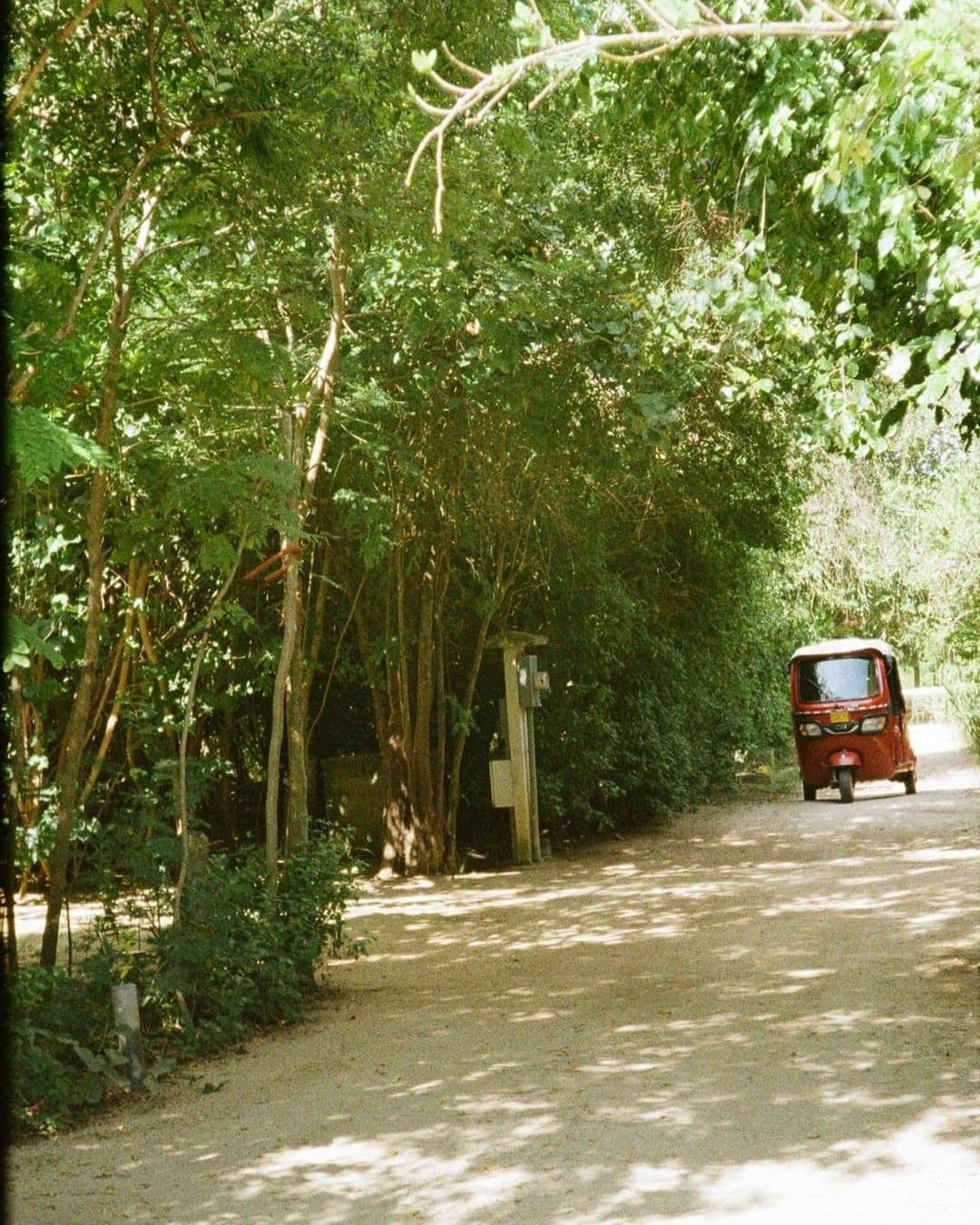
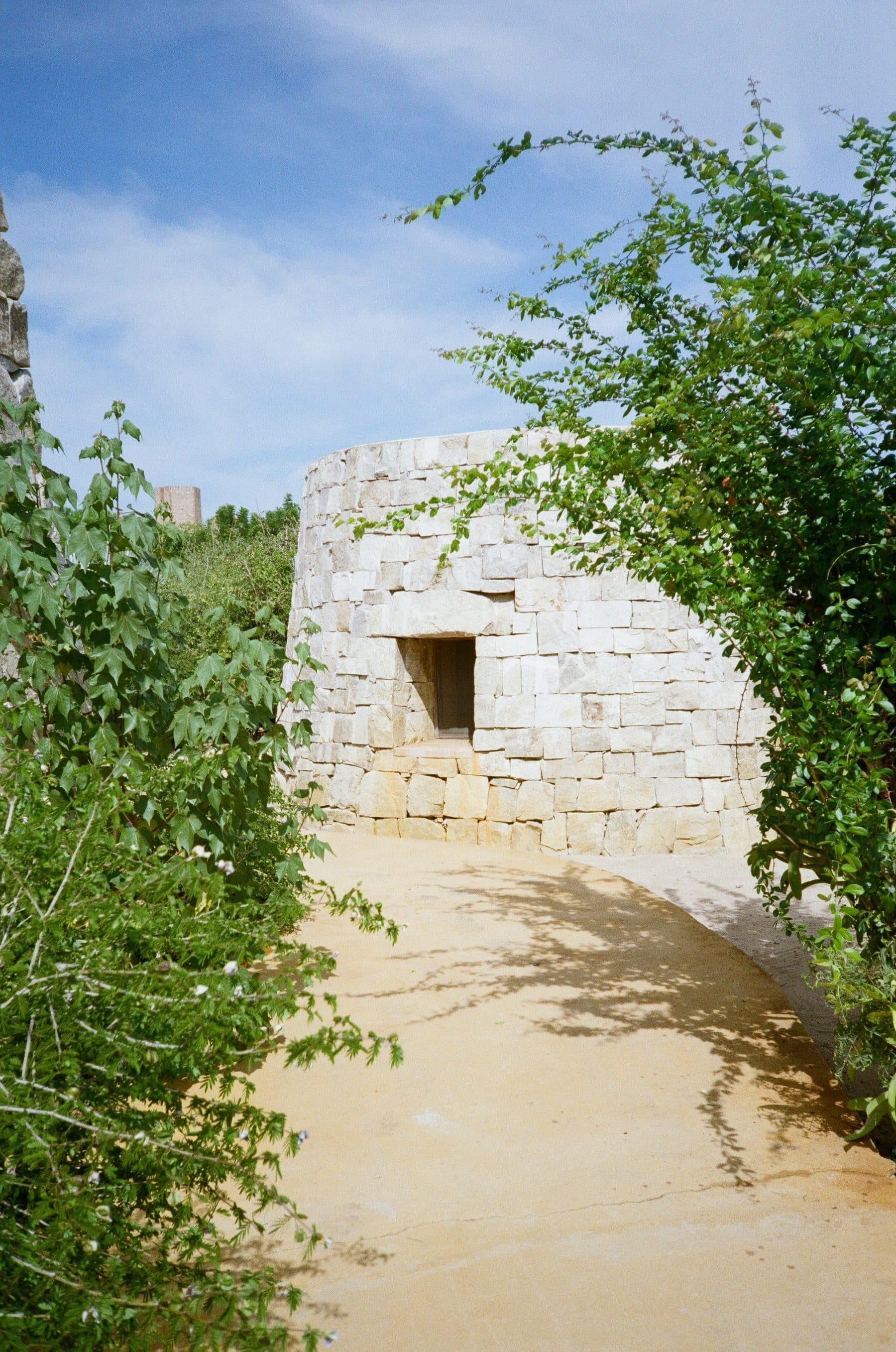
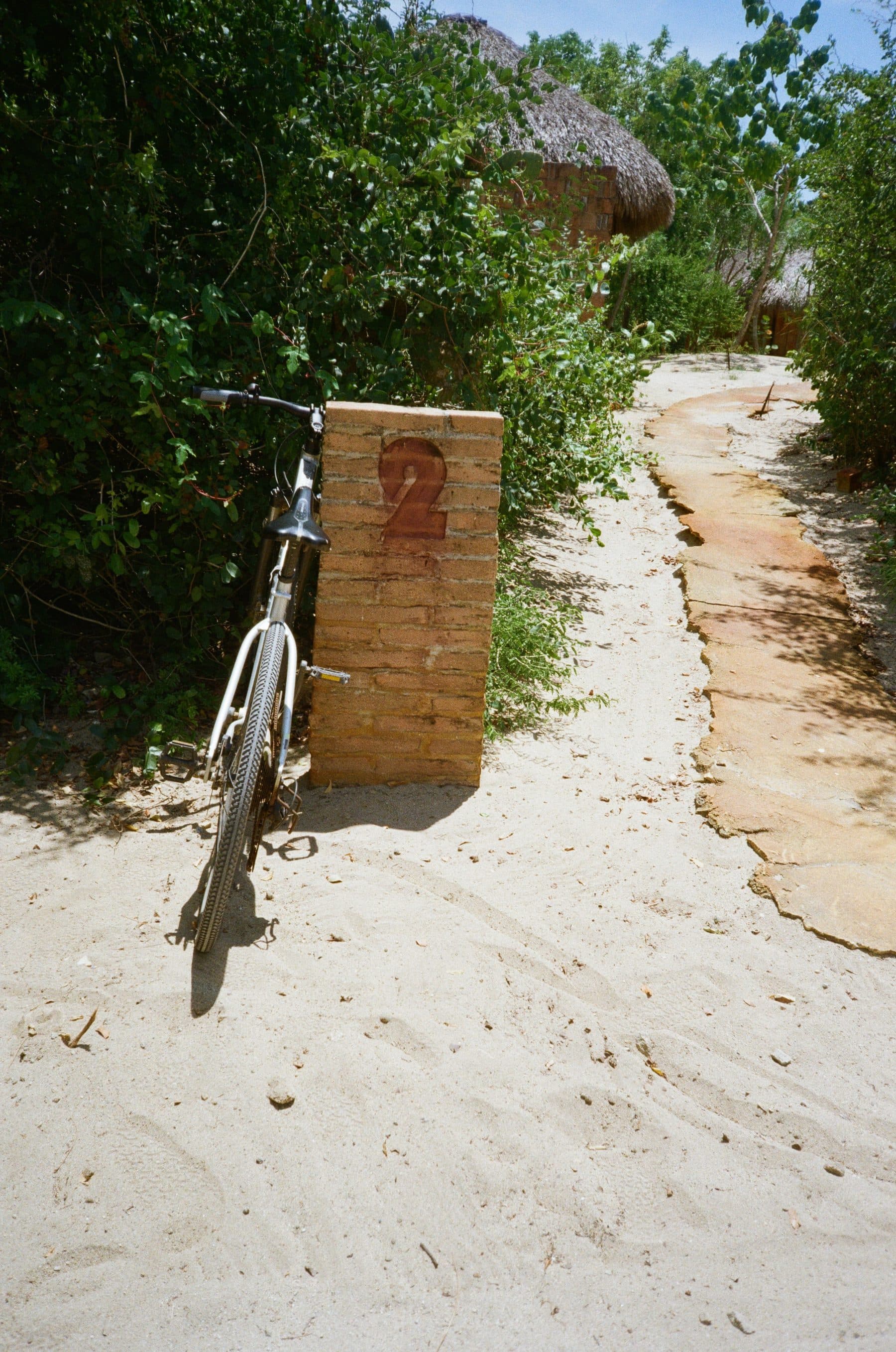
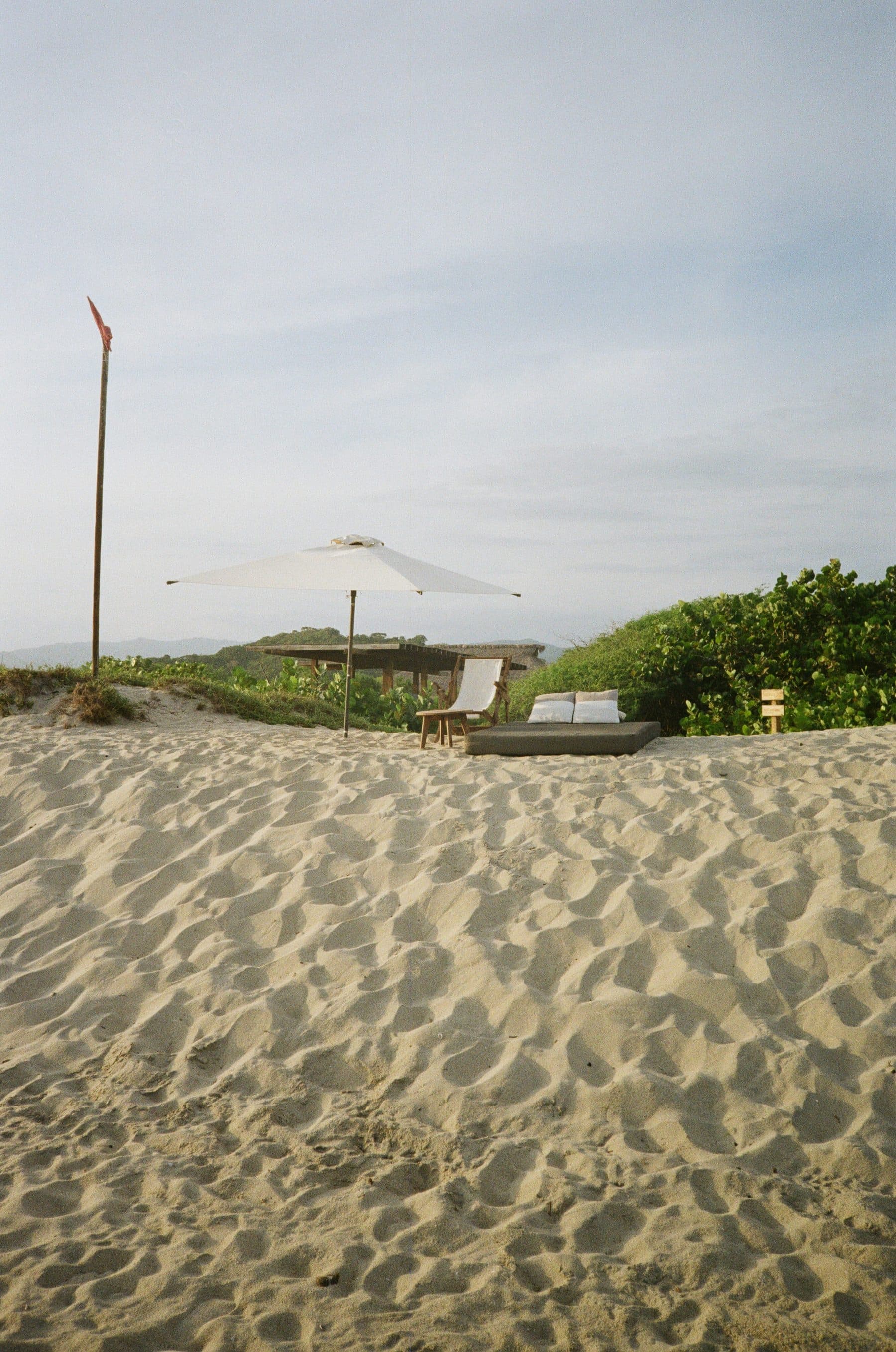
After dark the paths are lit by candles set into the rocks, and the wax from all the nights before has built up on the stone until it's become its own kind of marker. The beach out front is 250 meters of sand with nothing on it, the kind of scale that makes you feel small in a good way.
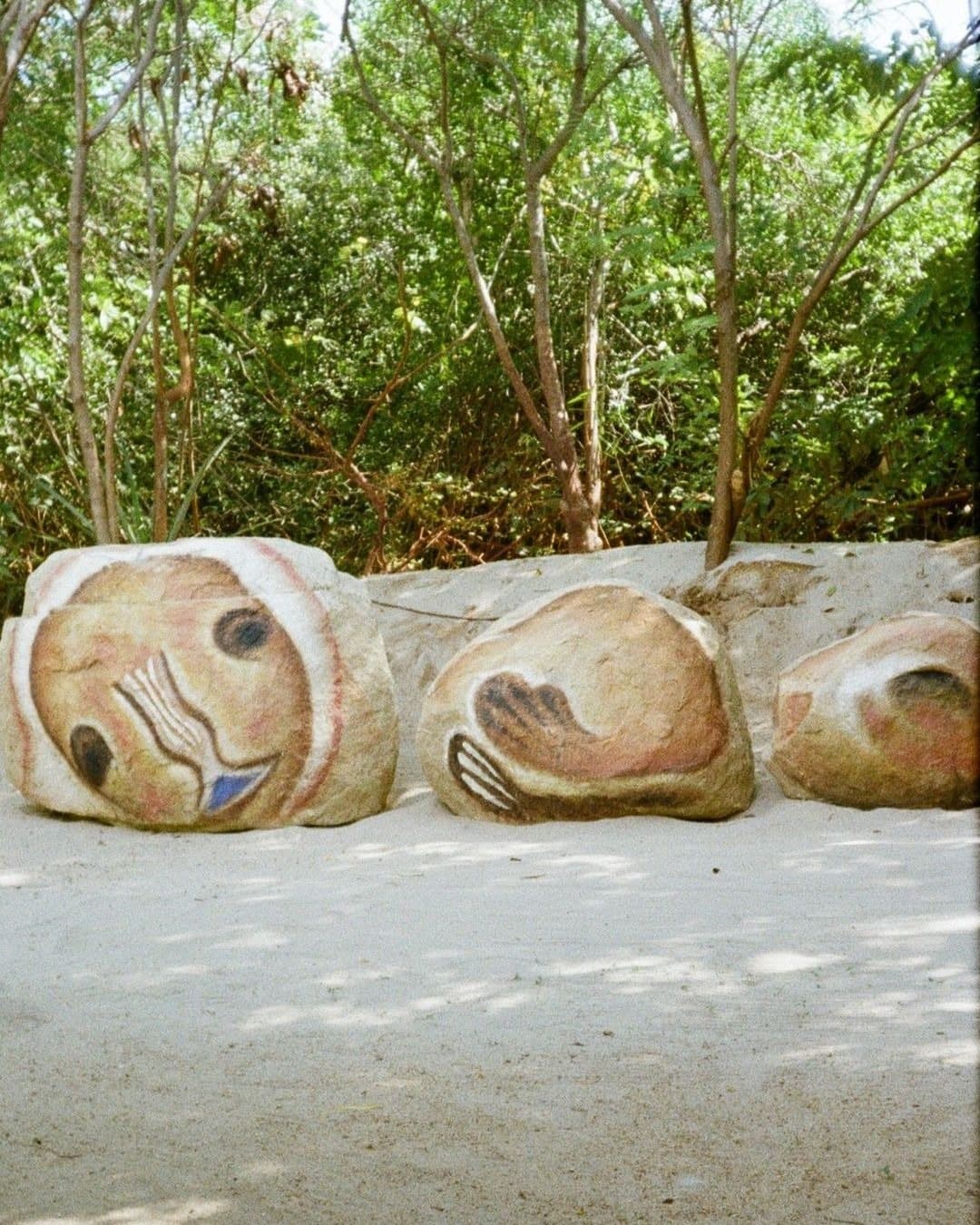
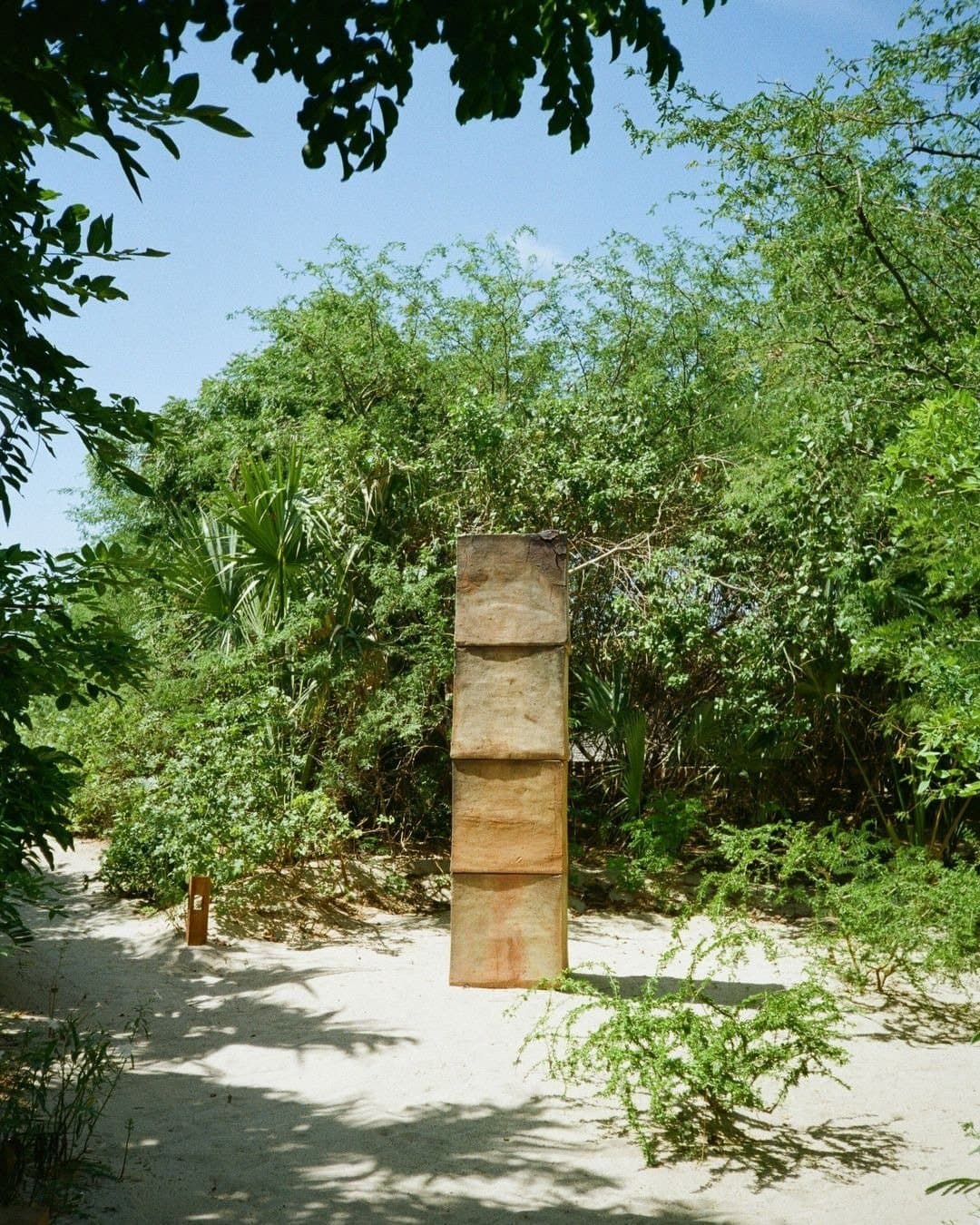
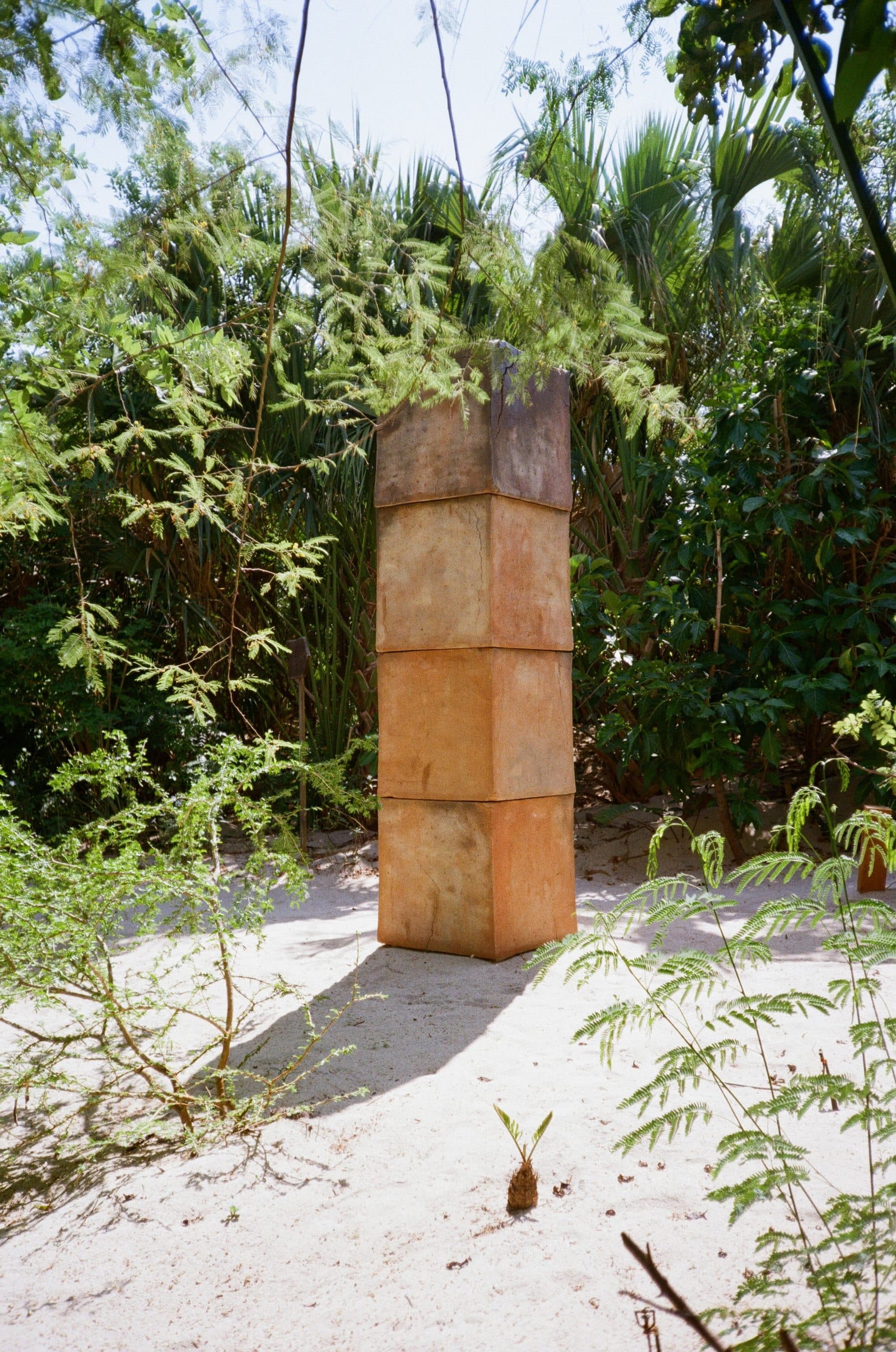
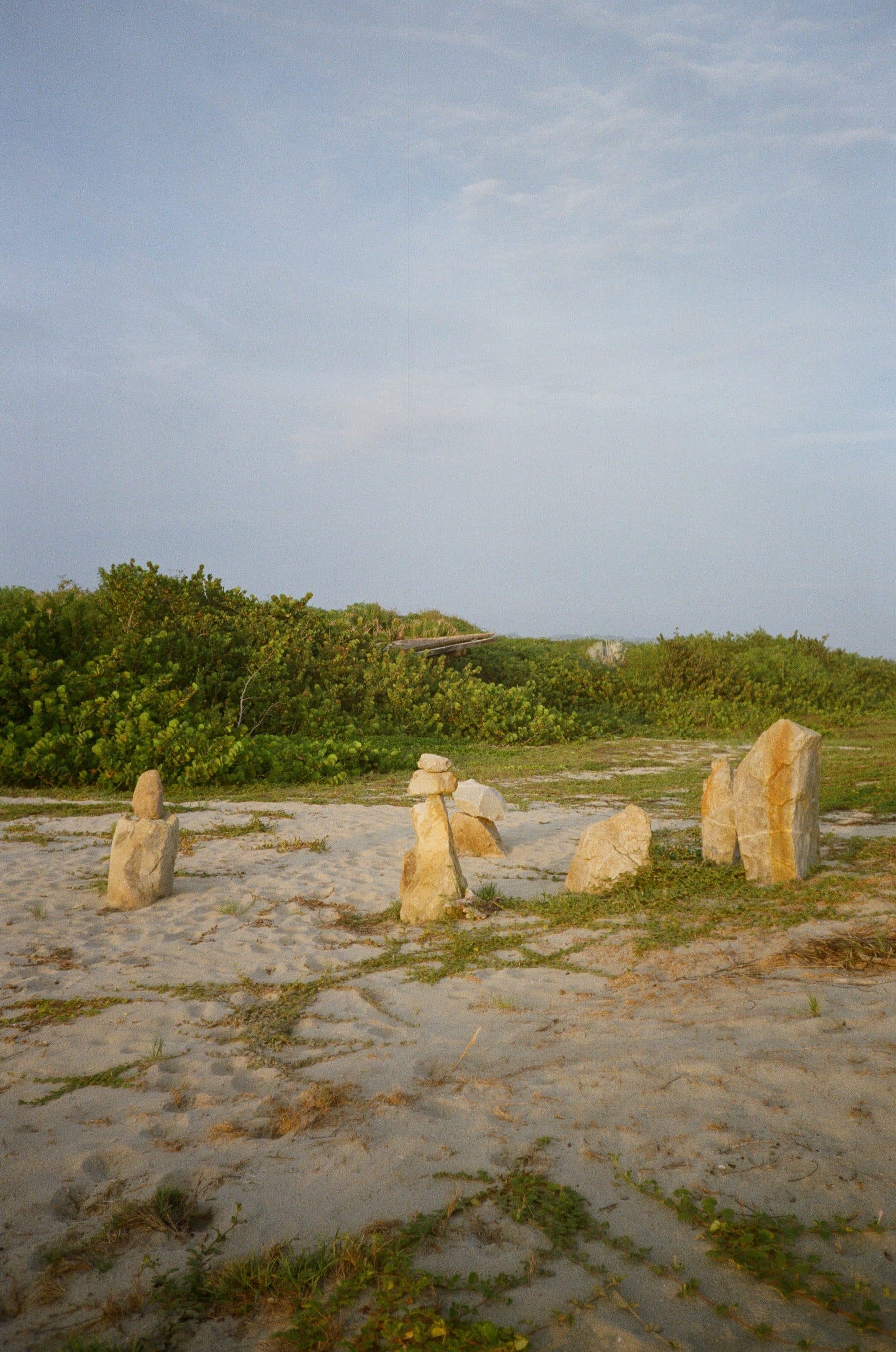
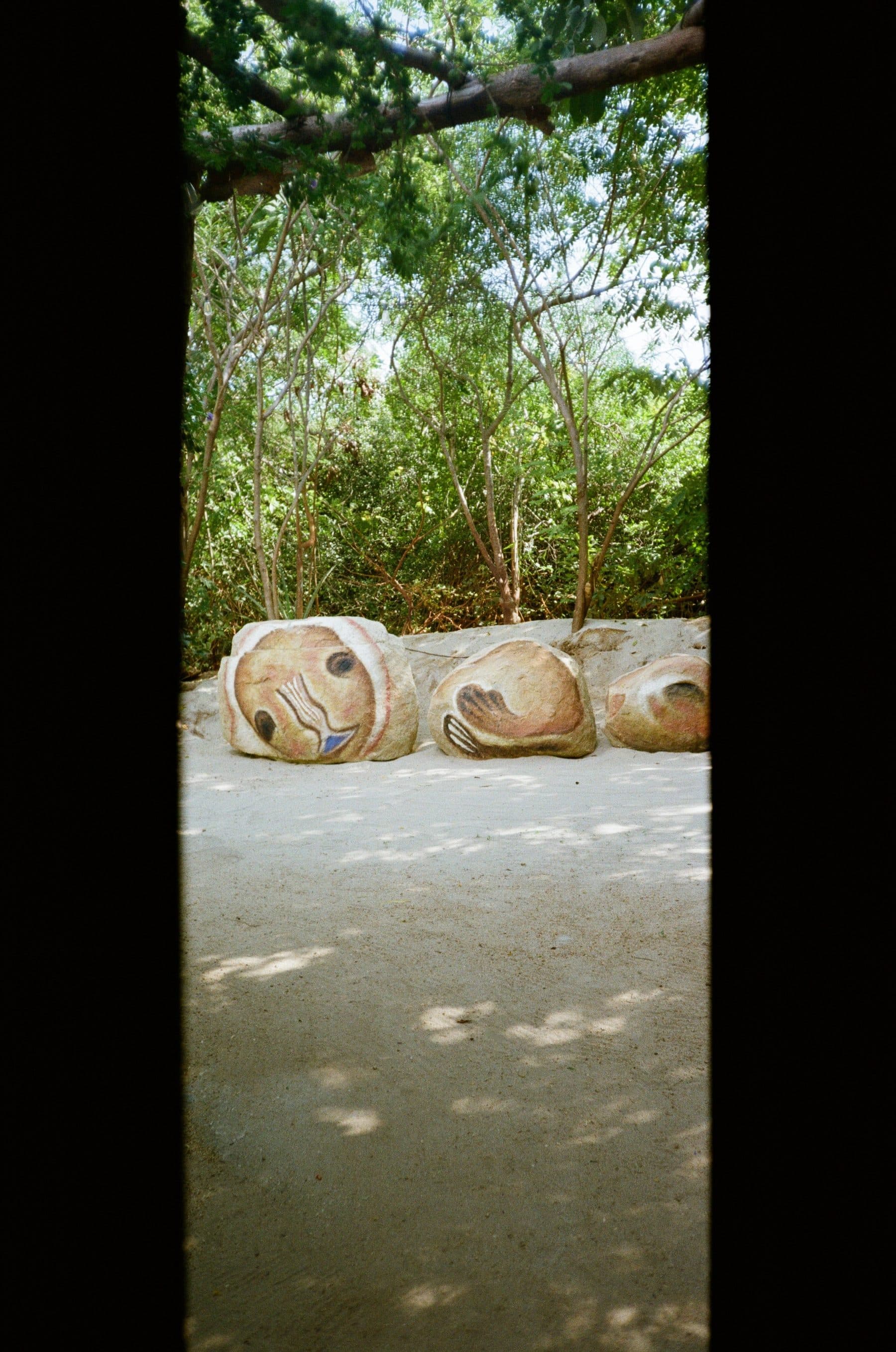
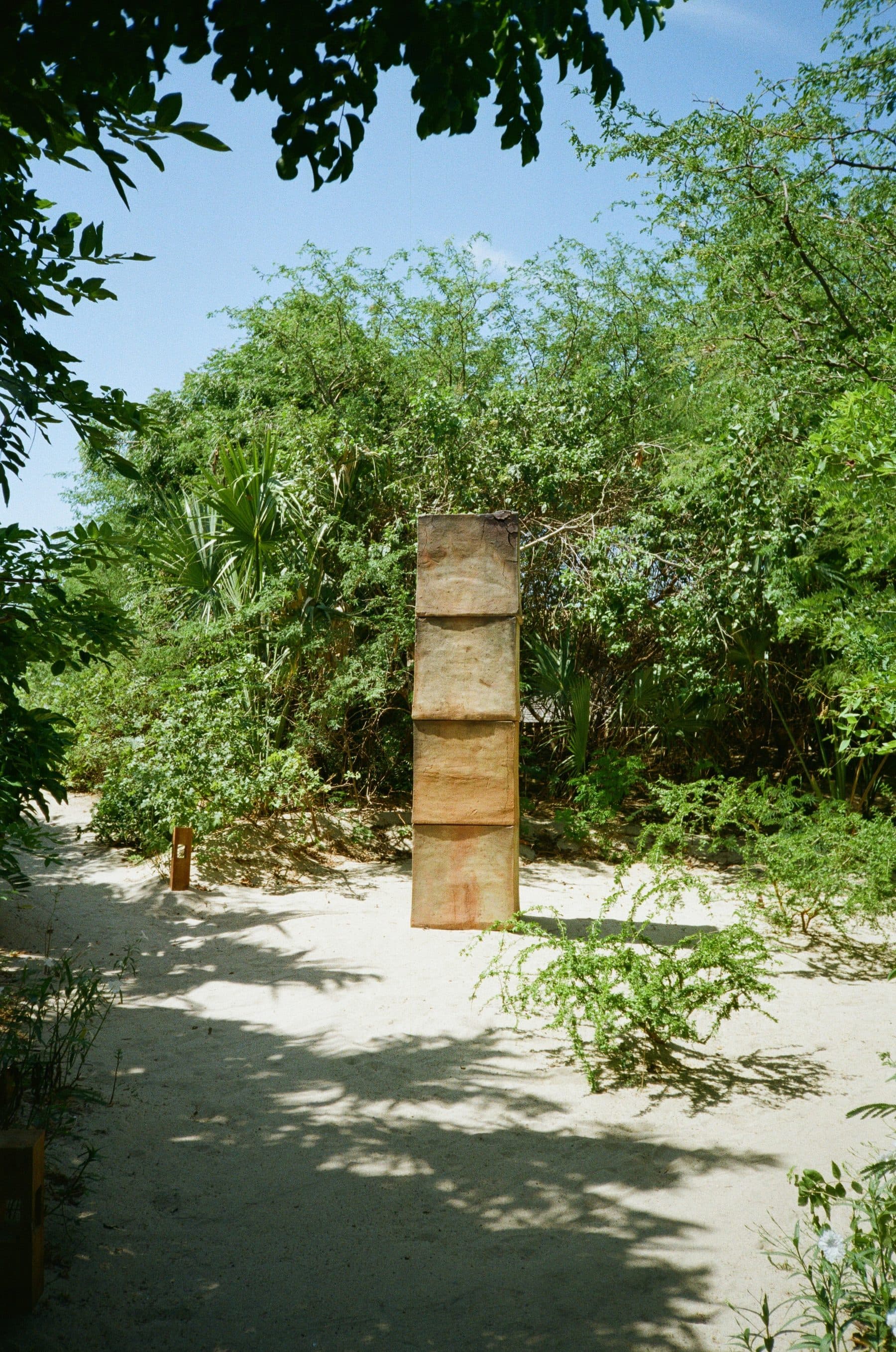
Art isn't decoration on this coast; it's closer to the local industry. Casa Wabi runs residencies and a program for the surrounding villages, and Sodi's own work sits on the grounds at Punta Pájaros, a column of his stacked, fired clay cubes standing in the scrub. Meridiano was founded on the idea of two shows a year, long-form and site-specific, and the current one is Izumi Kato: boulders pulled from the nearby mountains and painted by hand, in place. Luis brought several of them over. They now stand at the entrance to Punta Pájaros, the first thing you pass on the way in.
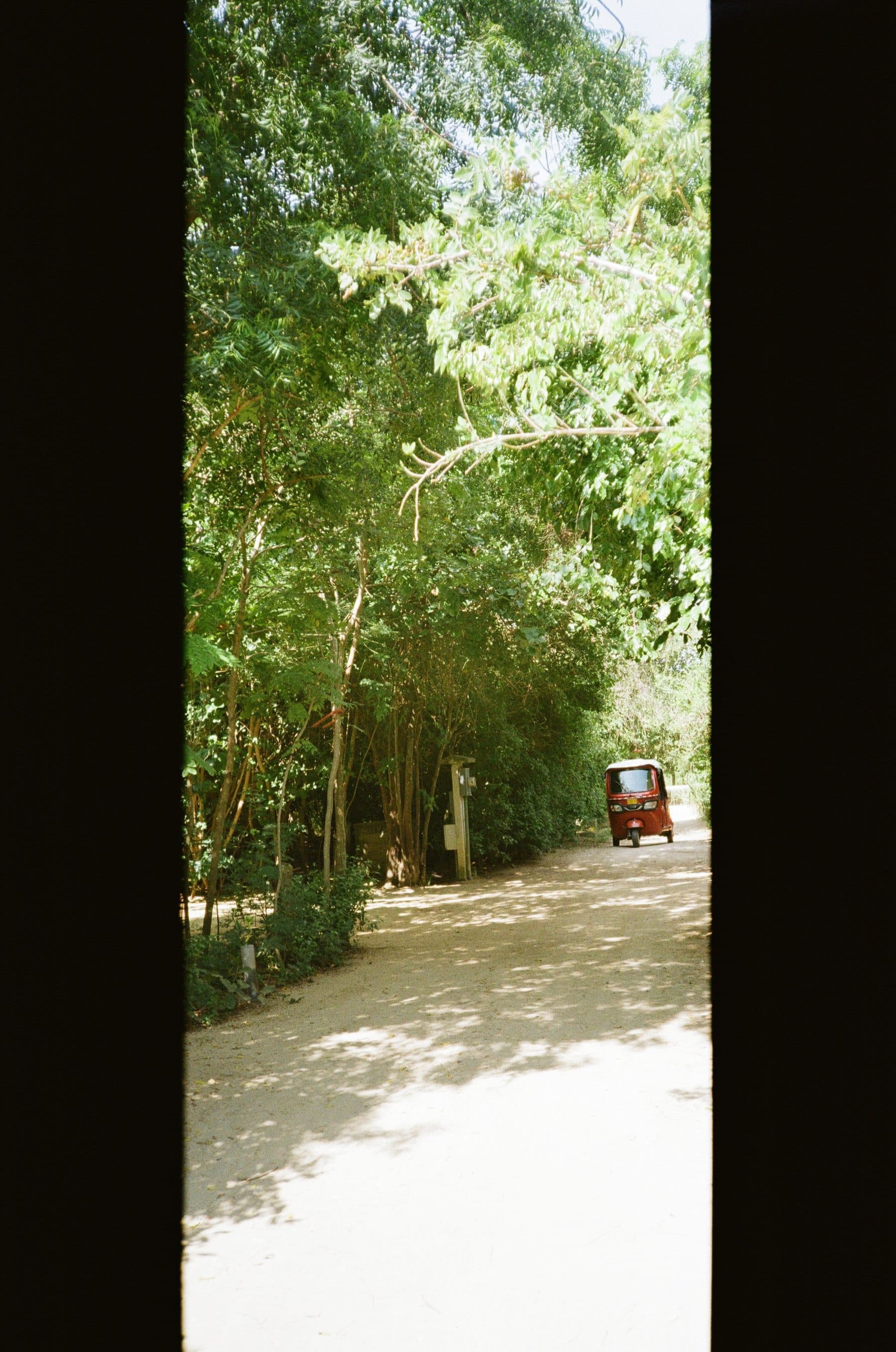
It's the kind of secret that people who know tell each other and nobody else. Getting here still takes a connection and a drive. The owners along the beach keep a WhatsApp group where any piece of trash found on the sand gets photographed and tallied, and the count is a running joke that nobody wants to lead. Luis is 57. "This is all I have to give to my kids," he said, and you can tell. Every detail has been looked after, from the wax on the rocks to the birds in the trees he planted. The foundation of this stretch of coast was laid deliberately, by a family and an architect who keep hiring each other, and Punta Pájaros is early in a long plan that all ties back to the same thing: the water, the trees, the quiet. For the people it's for, there is nothing else like it.
Frequently asked:
What should I know about Punta Pájaros?
Punta Pájaros is an eleven-villa property by Alberto Kalach on the Oaxacan coast about thirty minutes west of Puerto Escondido, next to Casa Wabi. Farmland until 2012, reforested by owner Luis Urrutia, first villas 2017; timber on pine pilotis, palapa roofs, roughly 95 percent solar.
Where is Punta Pájaros?
Punta Pájaros is located in Puerto Escondido, MX.
How many bedrooms and bathrooms does Punta Pájaros have?
Punta Pájaros has 3 bedrooms.
When was Punta Pájaros built?
Punta Pájaros is a villa built in 2017.
Who is the listing agent for Punta Pájaros?
Punta Pájaros is listed by Hosted by Luis Urrutia.
If you would like to submit your property to The Full Ask, please visit our submissions page. Featured properties are introduced to our community of agents, designers, and buyers who care about well-considered real estate.
This property is not for sale. It is booked by the night. Tell us your dates and we will confirm them with the property and come back to you with rates.
Book at Punta Pájaros
- Beds
- 3
- Type
- Villa
- Built
- 2017
- Building
- Punta Pájaros is an eleven-villa property by Alberto Kalach on the Oaxacan coast about thirty minutes west of Puerto Escondido, next to Casa Wabi. Farmland until 2012, reforested by owner Luis Urrutia, first villas 2017; timber on pine pilotis, palapa roofs, roughly 95 percent solar.