 In Contract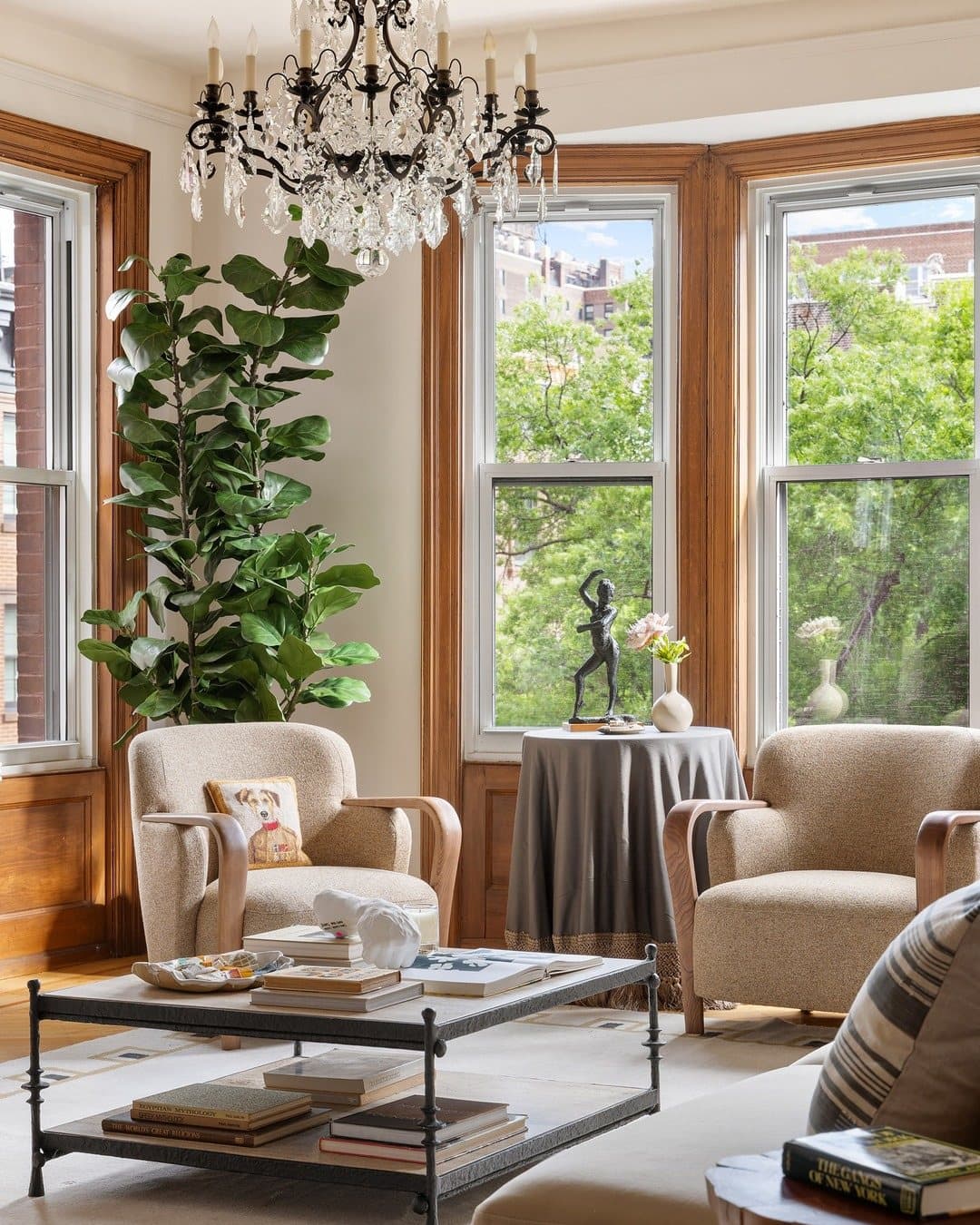

15 Clark Street #4A
$3,250,0003 beds · 2 baths · Co-op, 1905
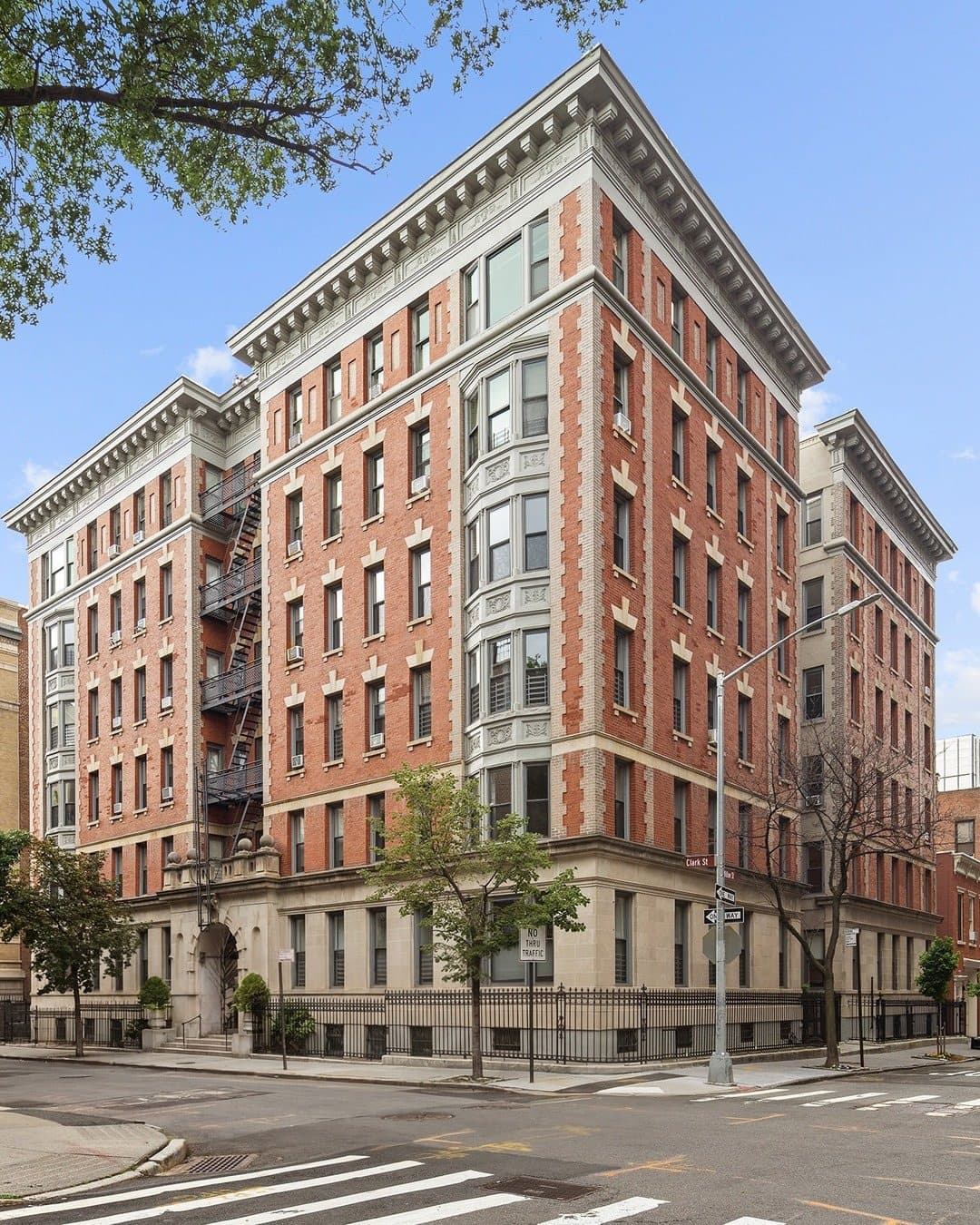
Before there was an apartment house at the corner of Clark and Willow, there was a portico. The Henry C. Bowen mansion stood here at 90 Willow Street, a Greek Revival house dating to roughly the 1810s, its colossal Corinthian columns facing the harbor and its parlors frescoed with cherubim modeled on the Bowen grandchildren. Bowen was a dry-goods merchant turned publisher, a co-founder in 1847 of Plymouth Church, the congregation that called Henry Ward Beecher, and the founder of The Independent, the leading antislavery weekly of its day.
The house had one brush with history it never quite closed on. In February 1860, when Abraham Lincoln came to New York to deliver the Cooper Union address, he was invited to lunch at the Bowen house and declined, reportedly to keep working on the speech. Bowen died in 1896, his widow Ellen stayed on until her death in 1903, and the mansion was sold and razed the following year. A hotel was announced for the corner and never built.
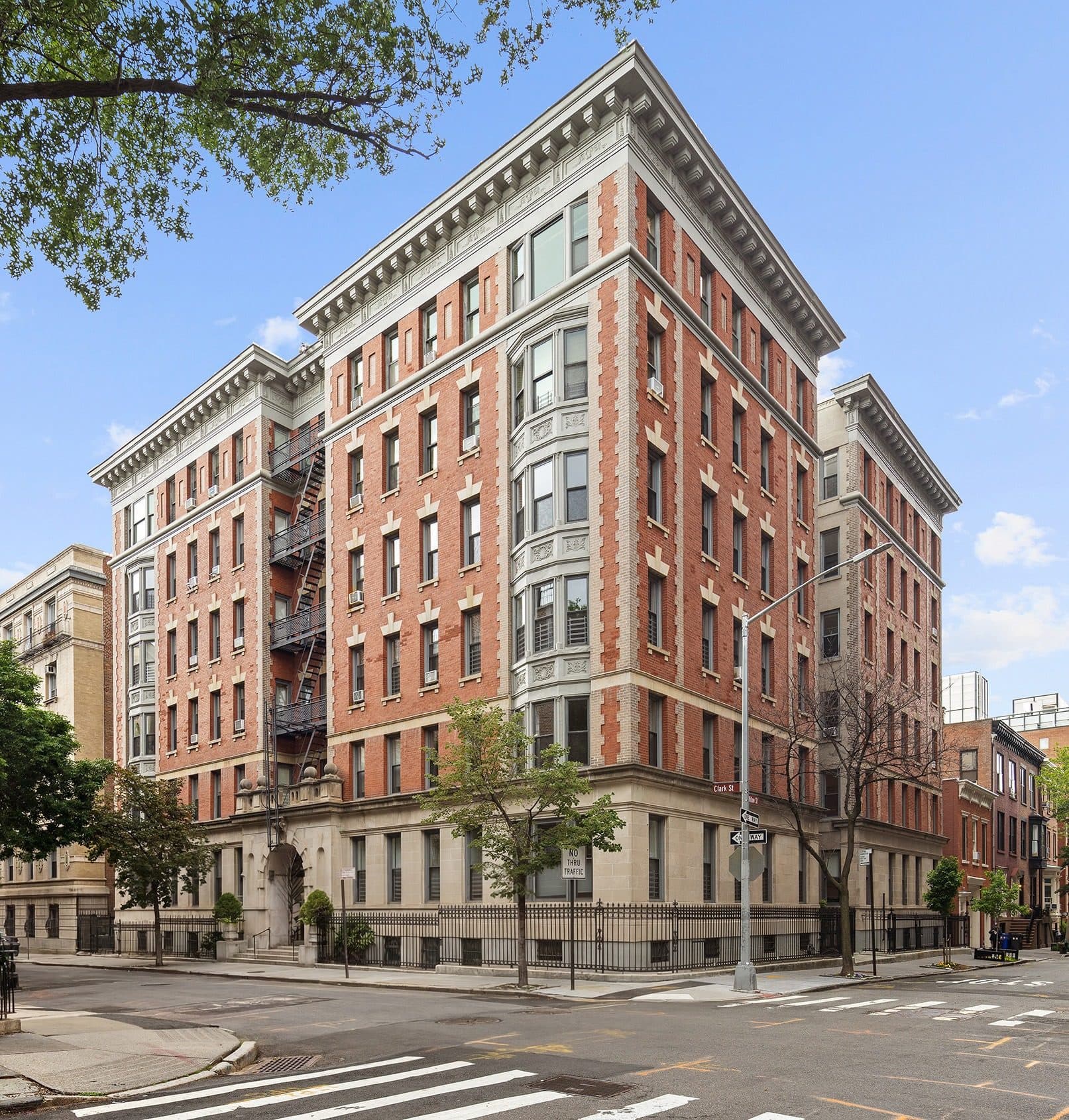
What rose instead was Willow Court. Developer Frederick Brandt bought the parcel in 1904 and had Manhattan architect John Brandt design a six-story brick apartment house, ready for occupancy by October 1905, when newspaper ads announced it as just finished. Thirty-one apartments took the place of one family's frescoed parlors, a fair summary of where Brooklyn Heights was headed.
The records say 1920, and the records are wrong in an interesting way. That year the building's tenants organized one of Brooklyn's early co-op conversions, reportedly to protect themselves from rising rents, and the conversion date later settled into the paperwork as a construction date. By 1923 the young co-op was advertising for families of distinction, vetting included. The building is fifteen years older than its file says.
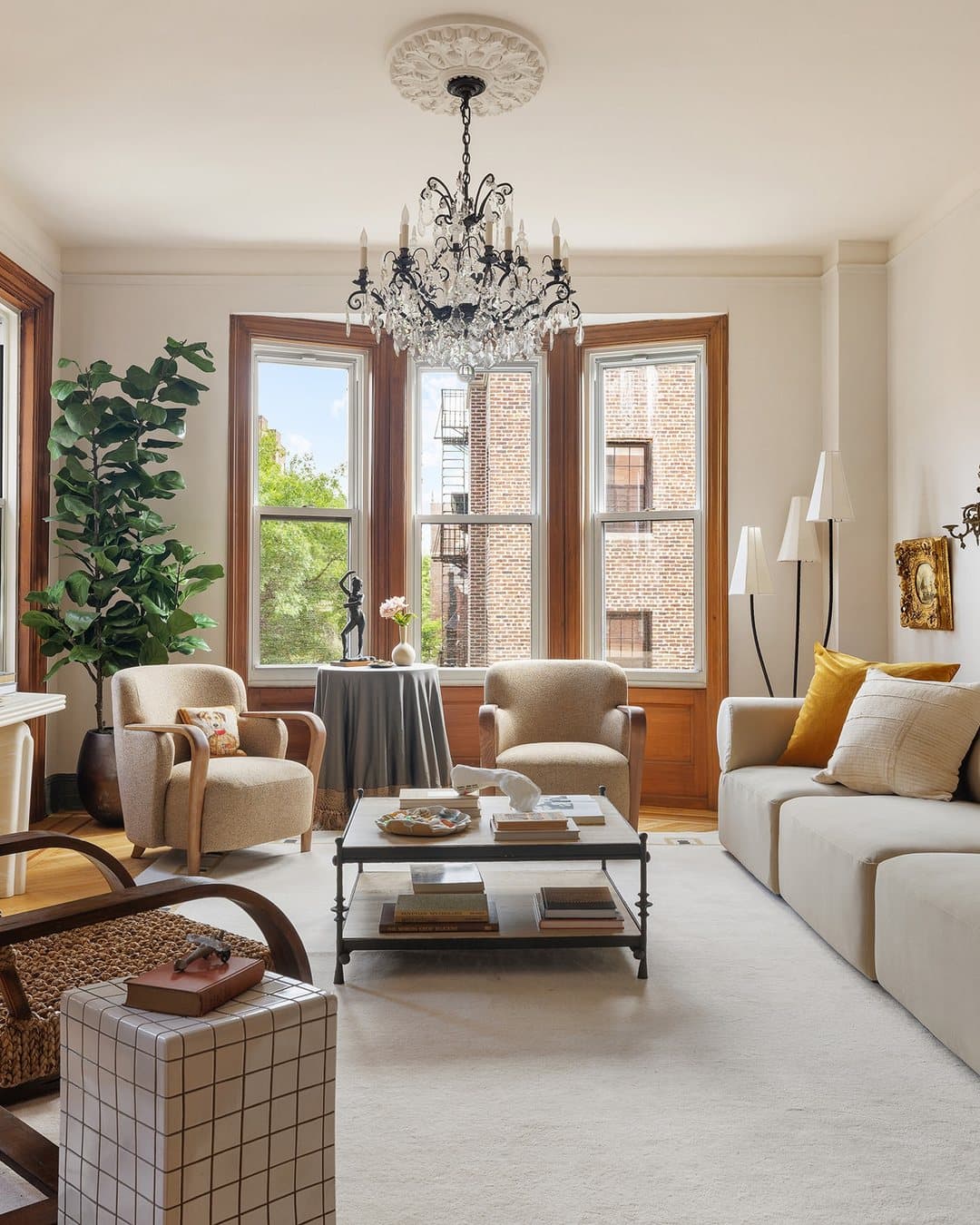
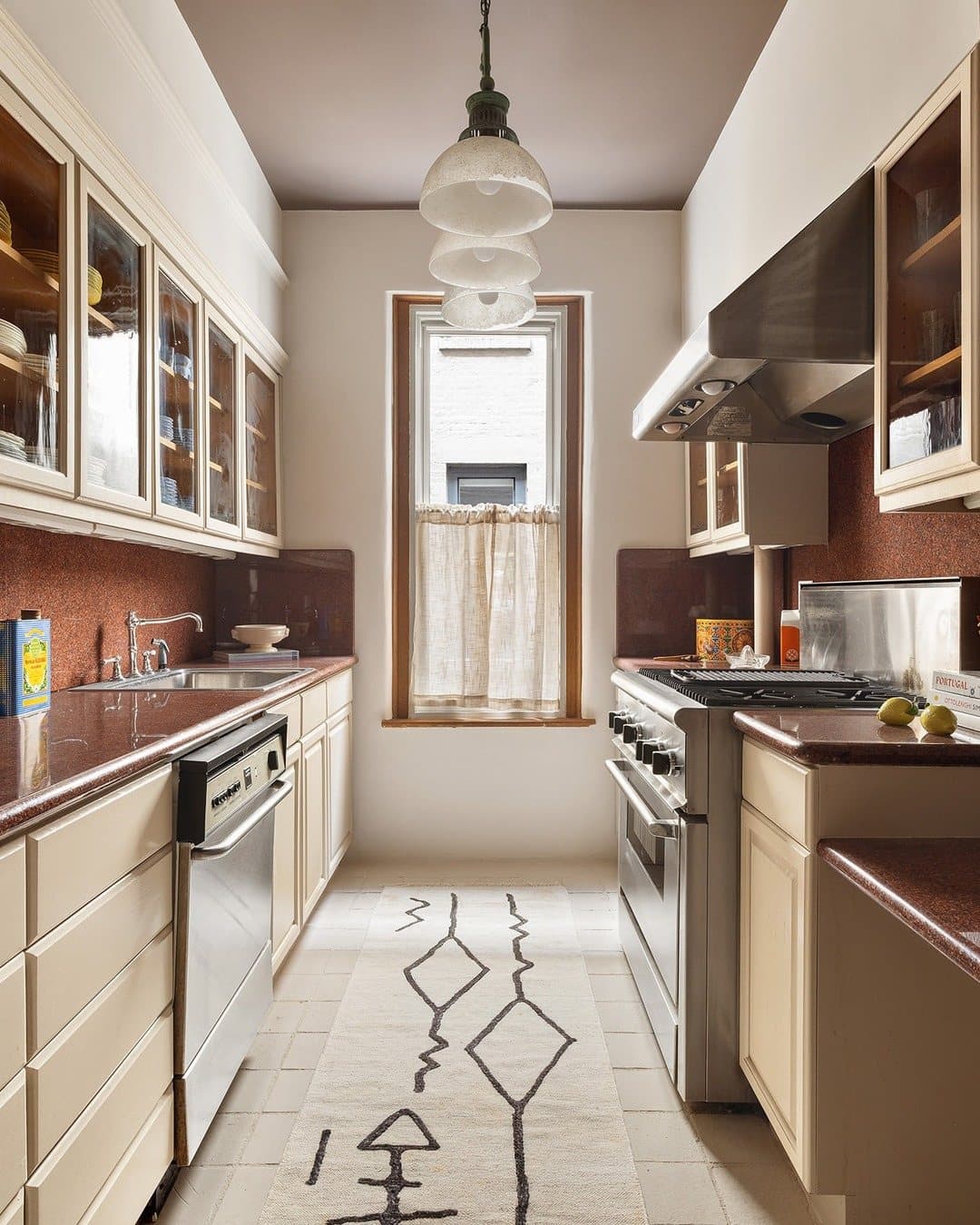
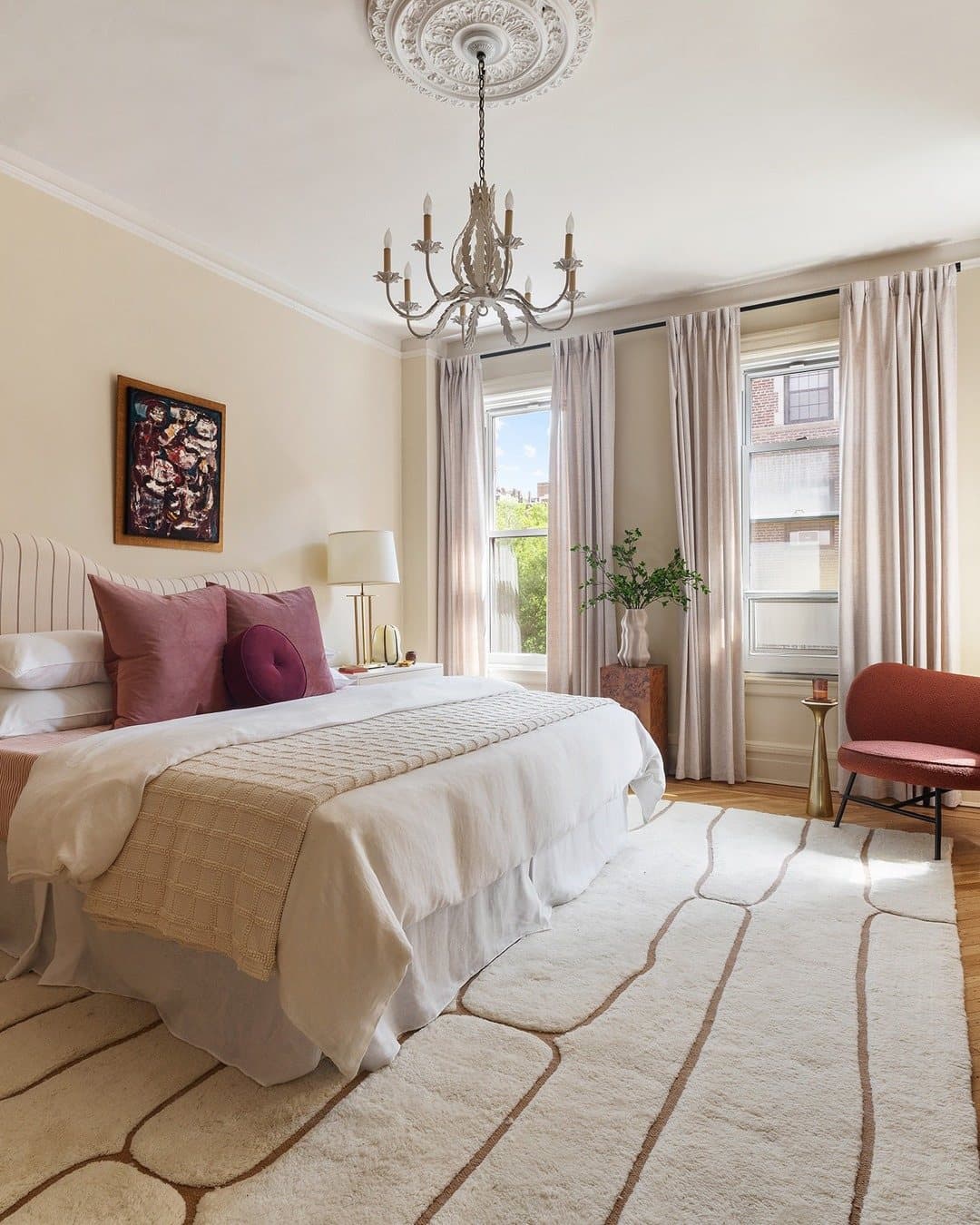
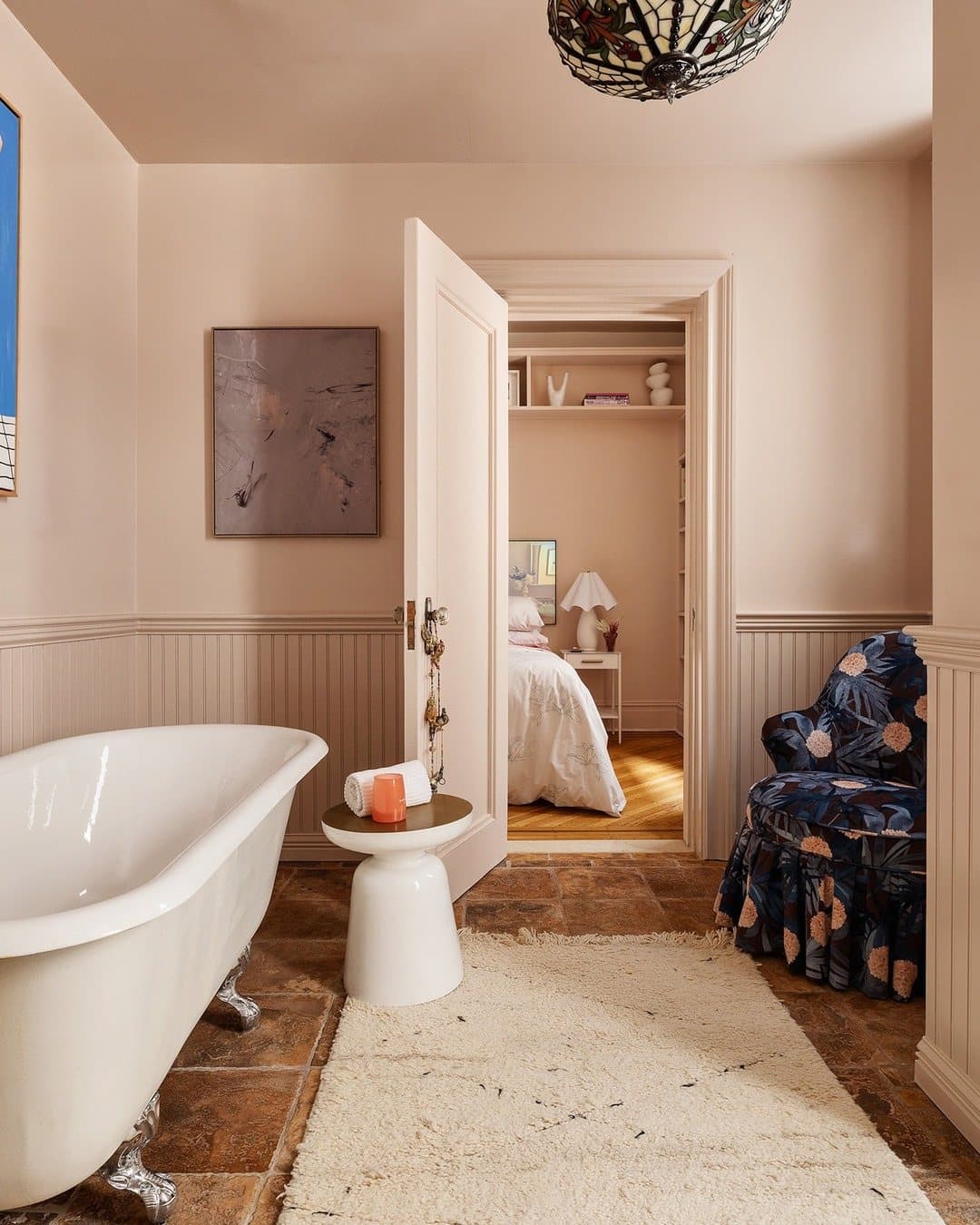
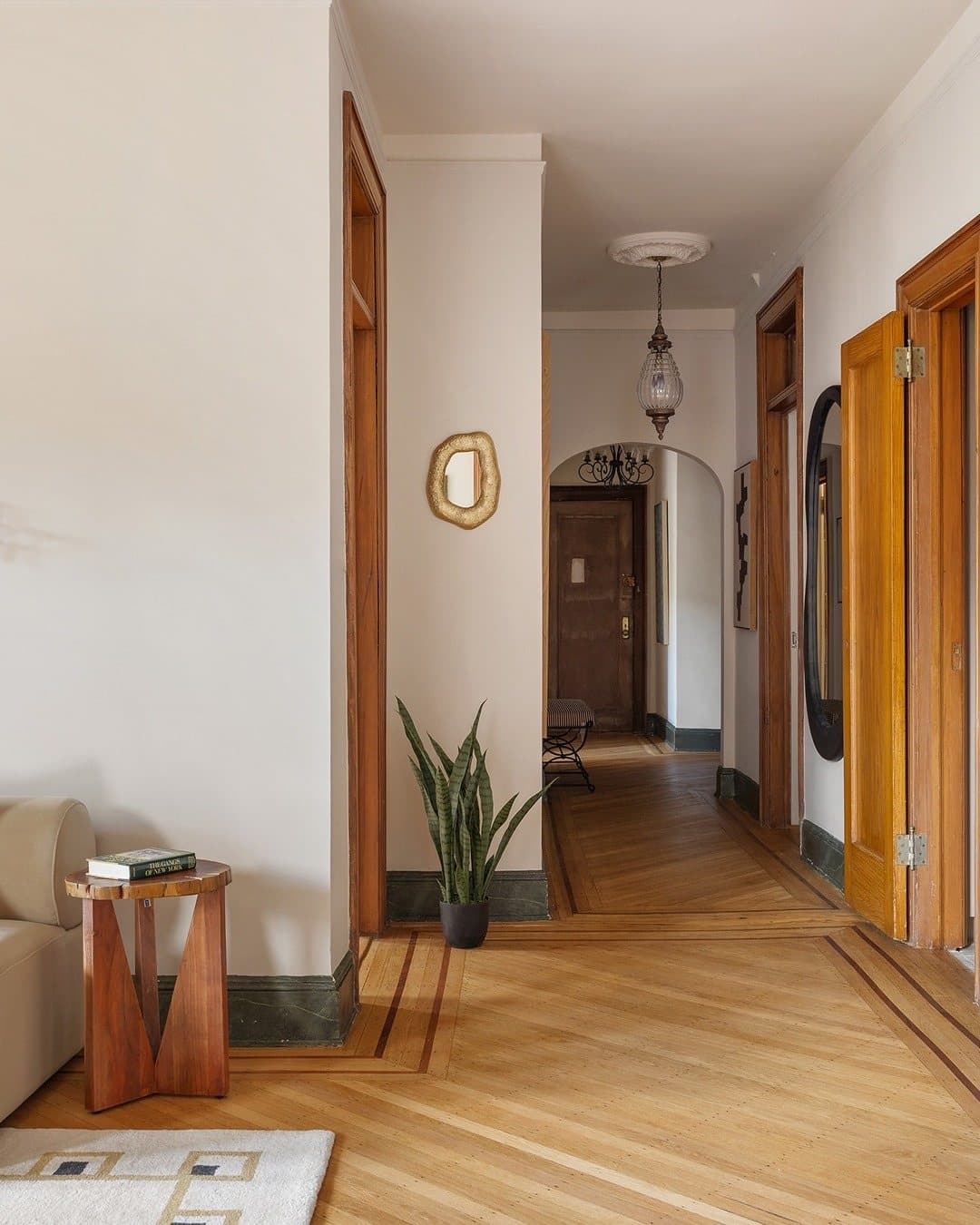
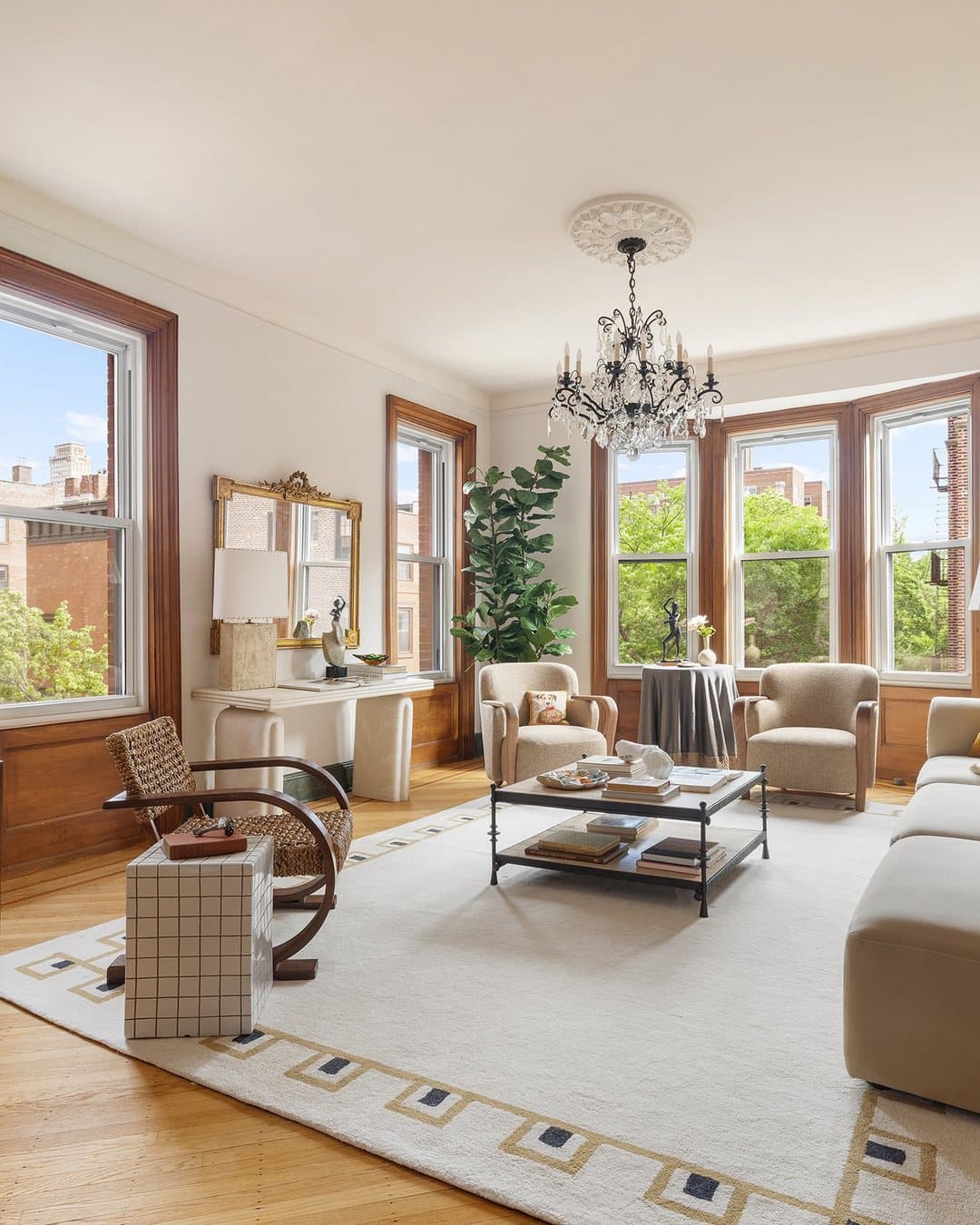
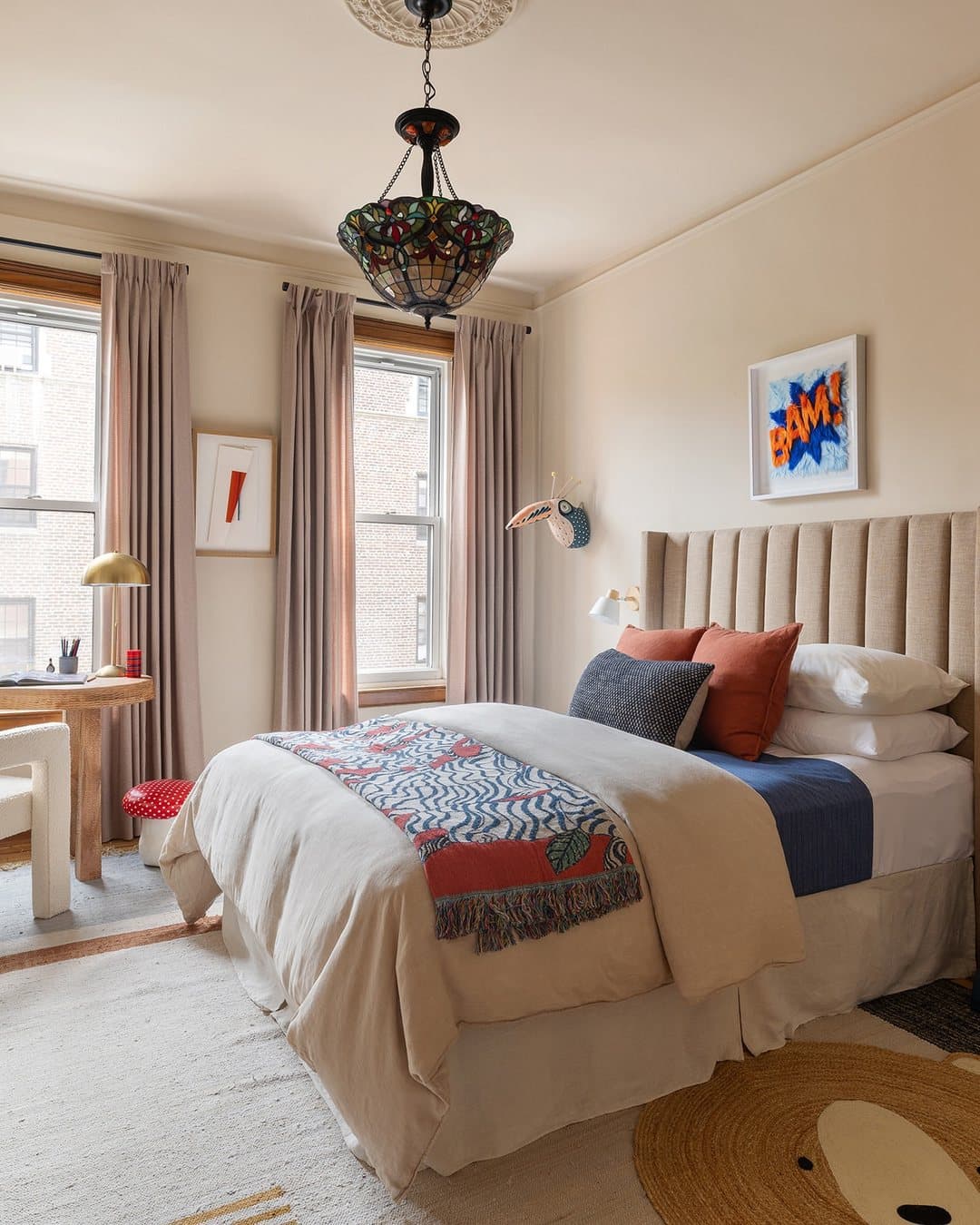
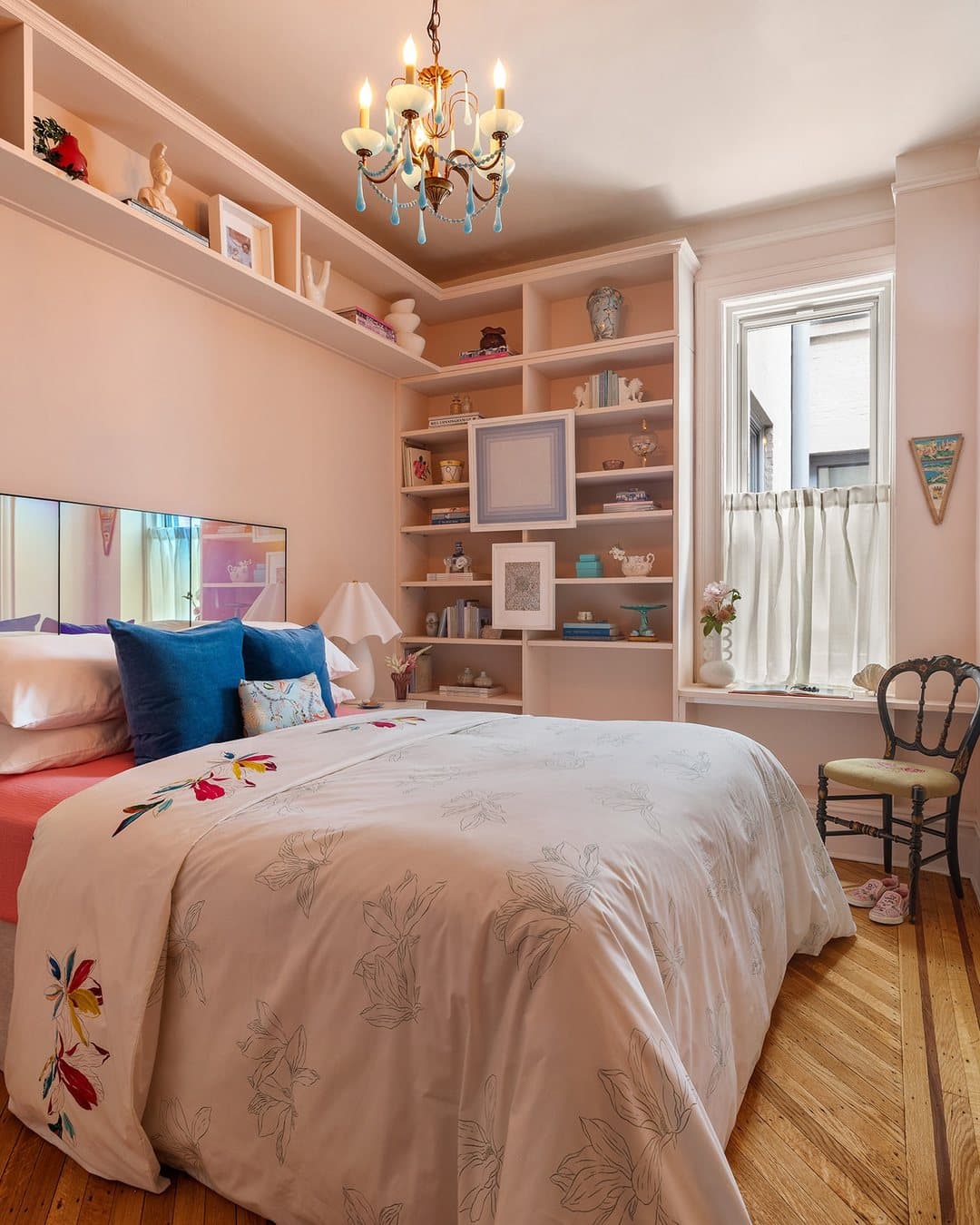
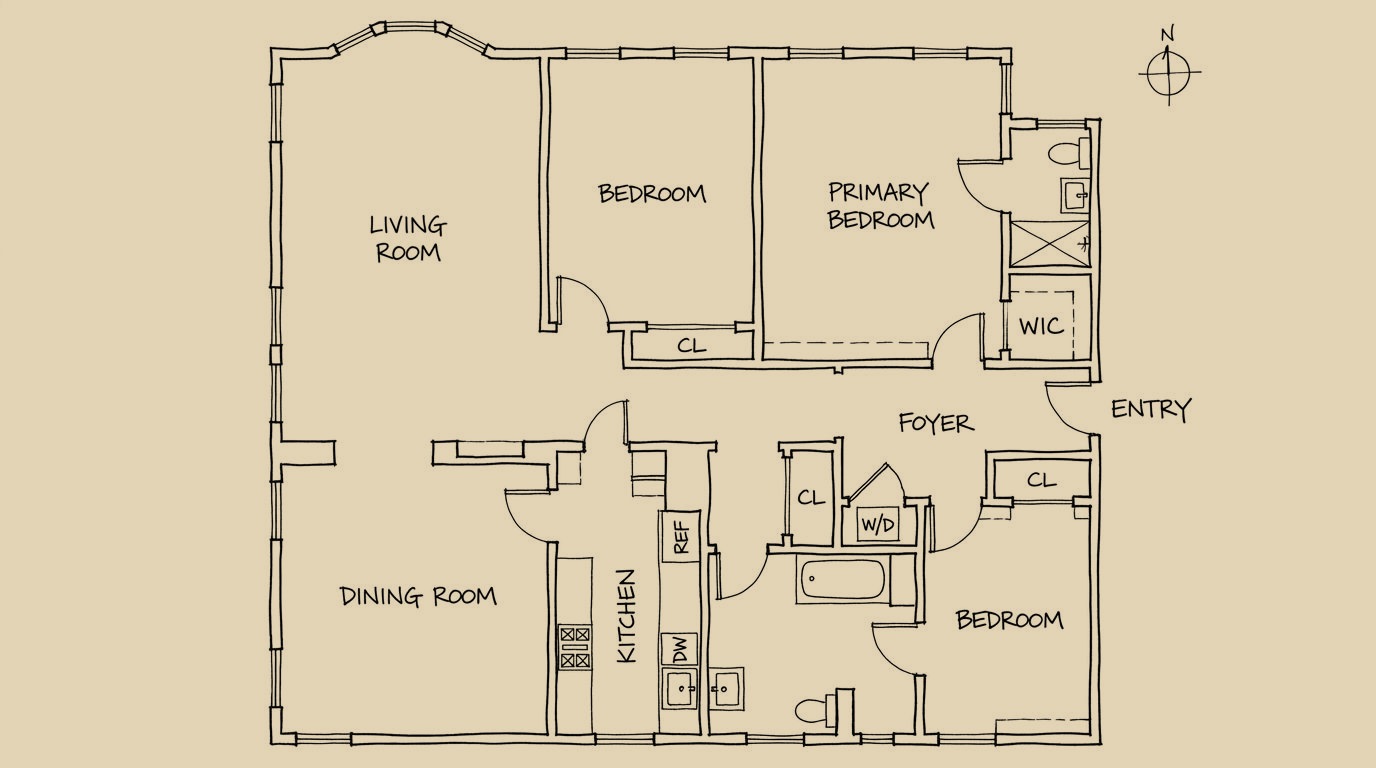
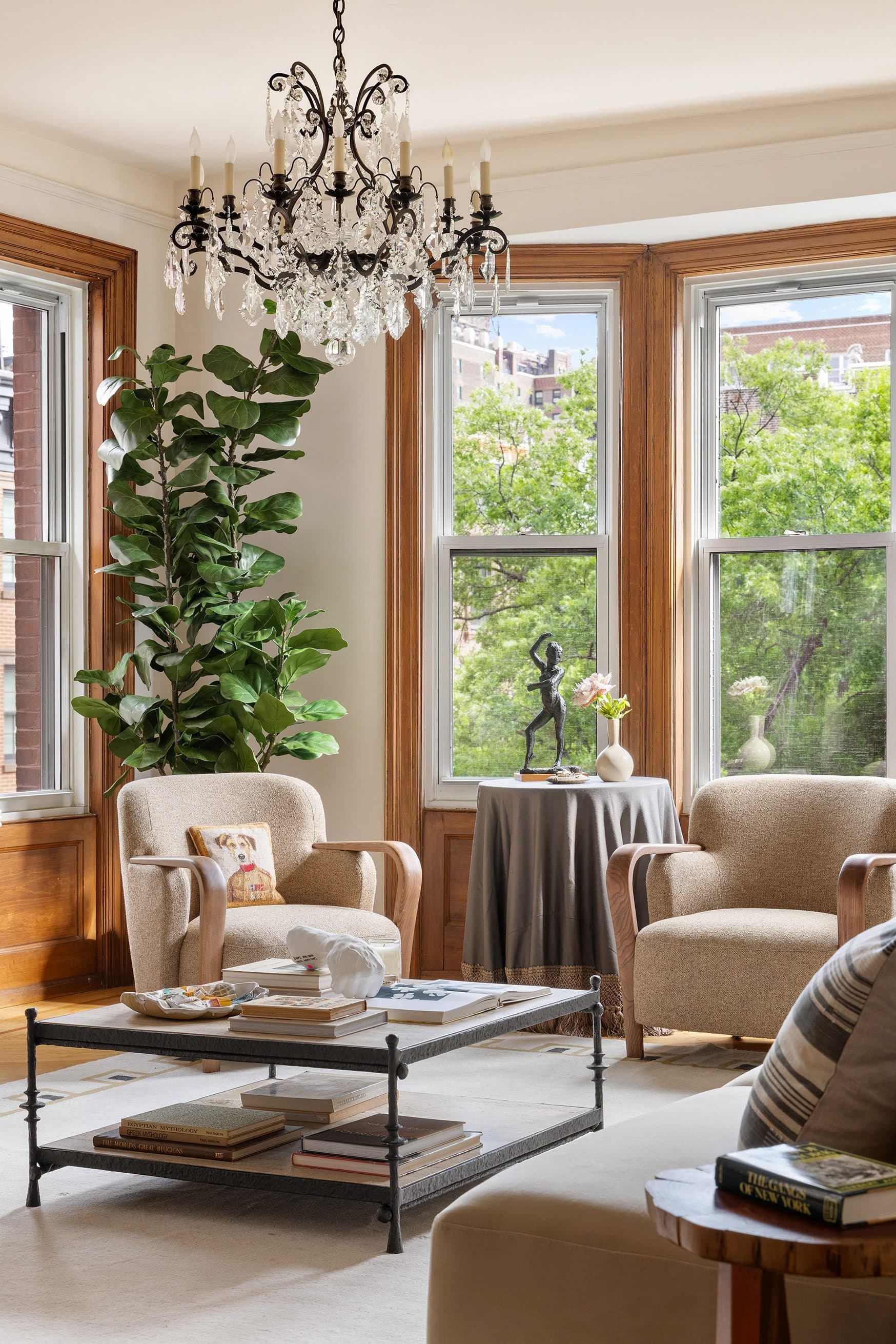
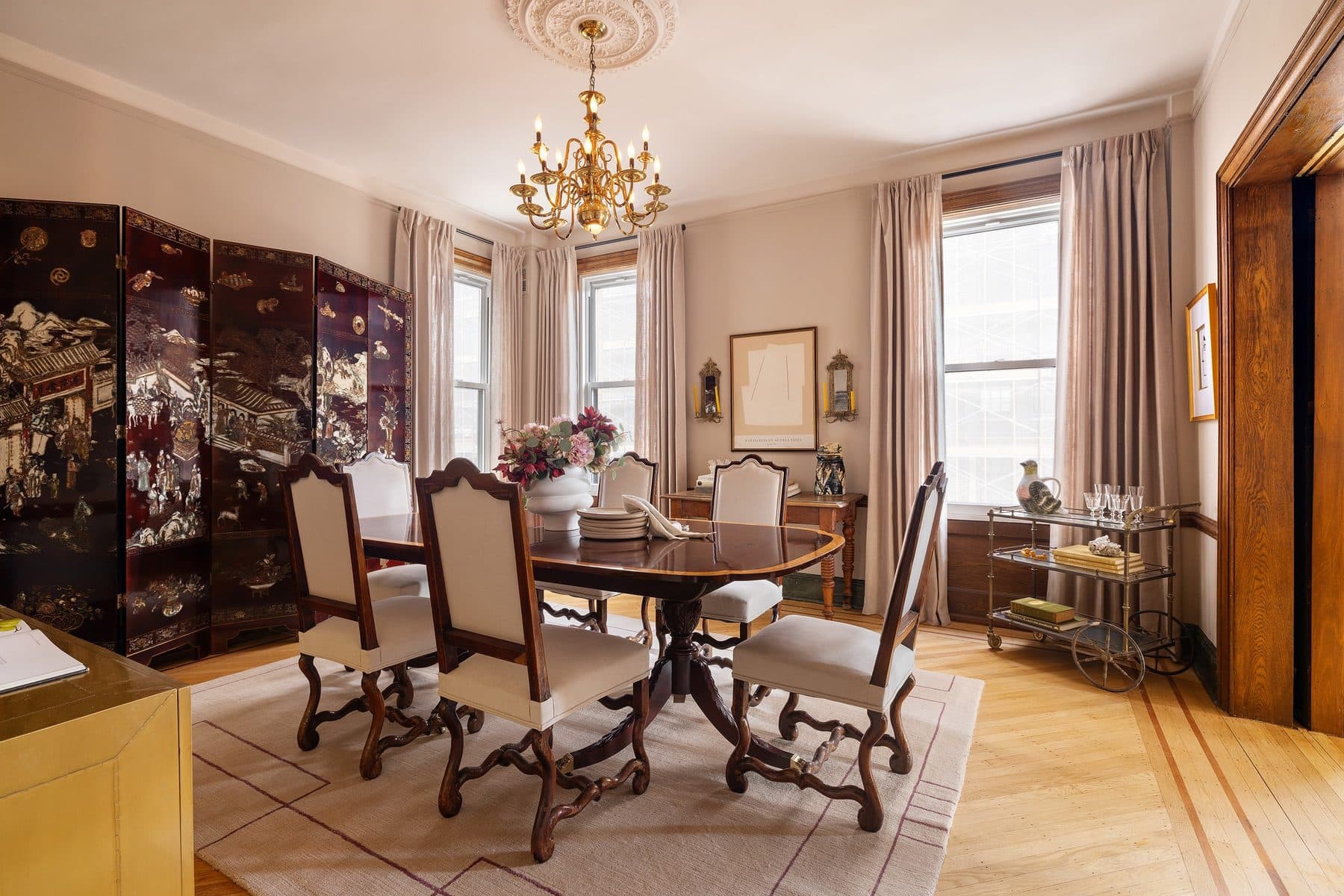
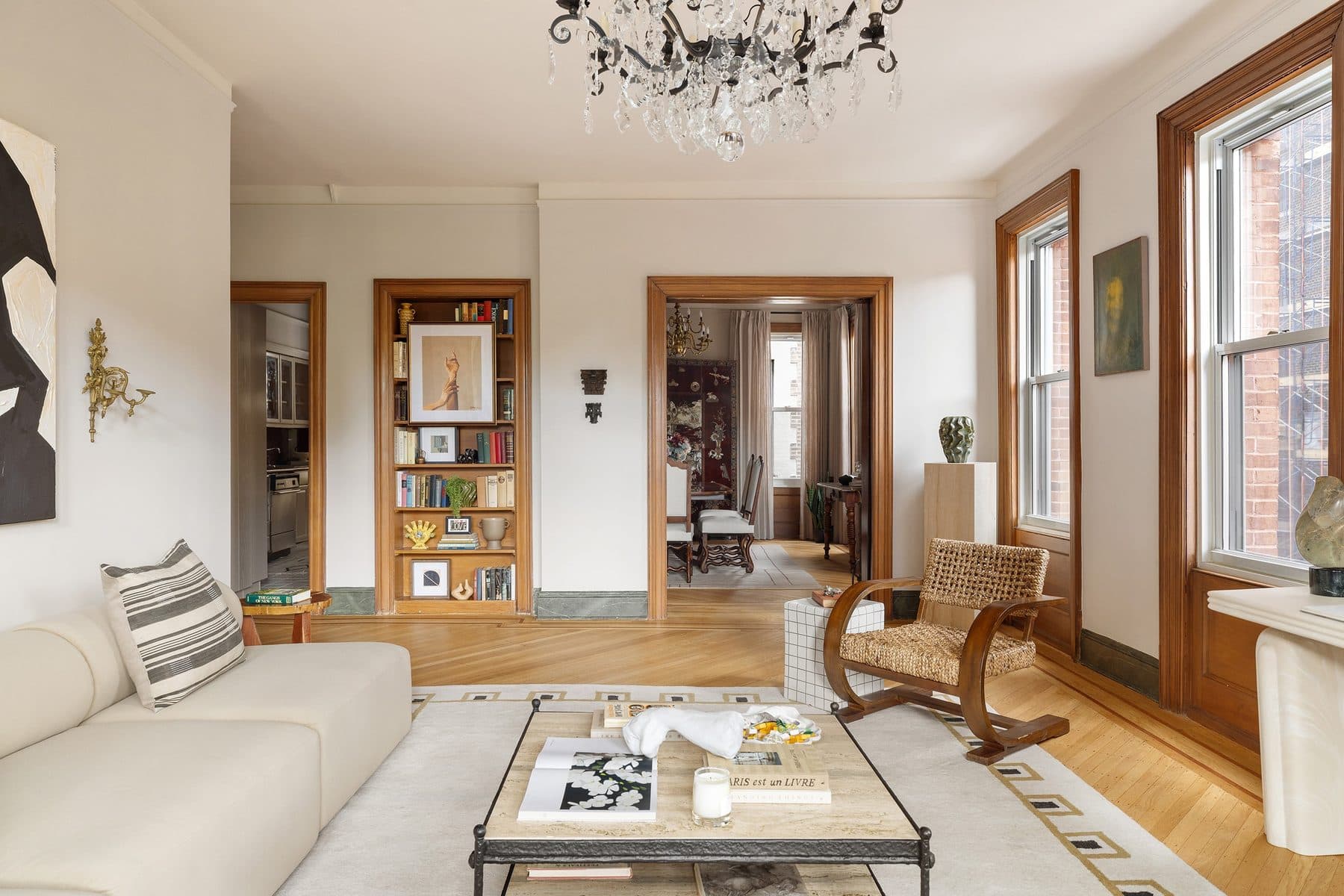
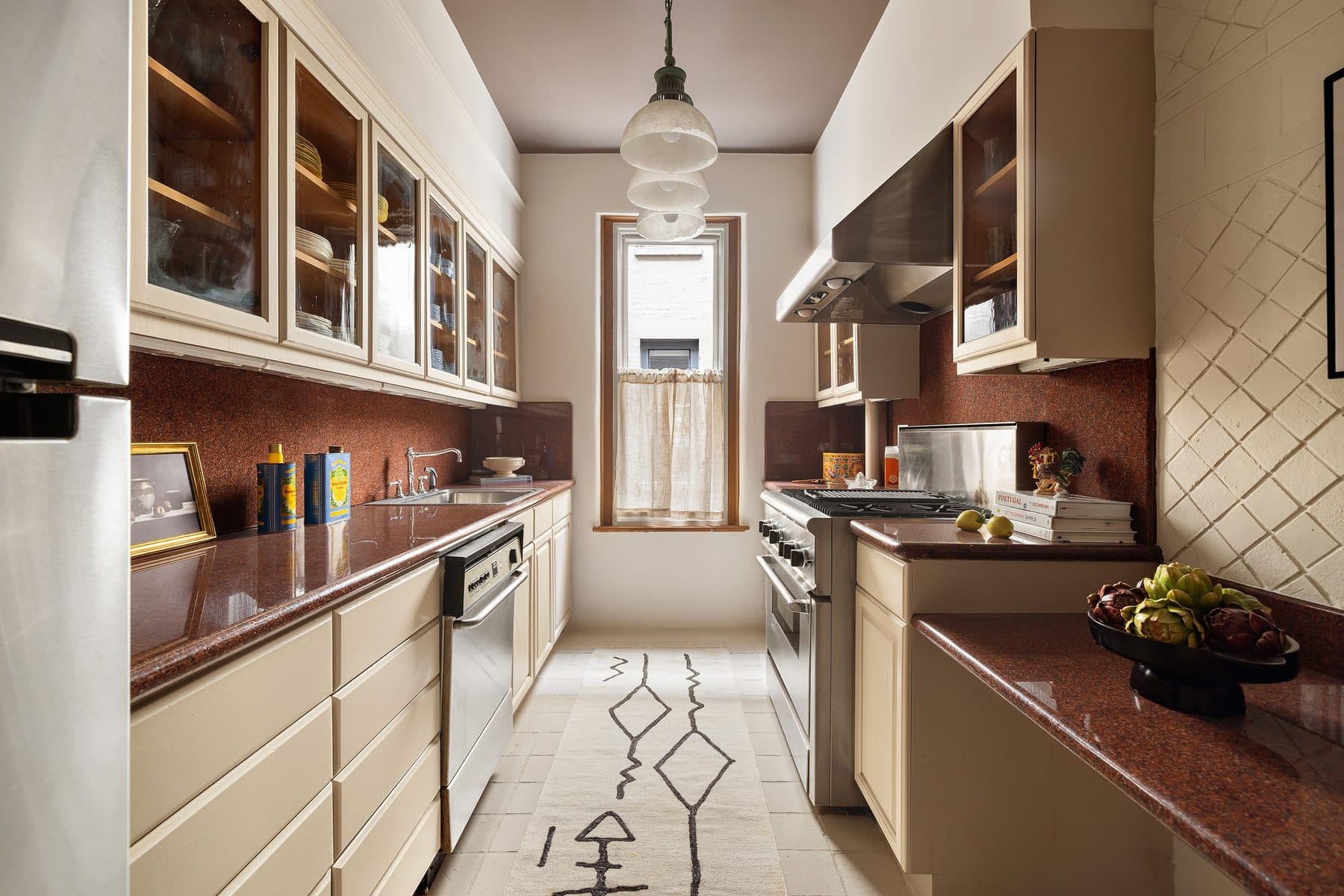
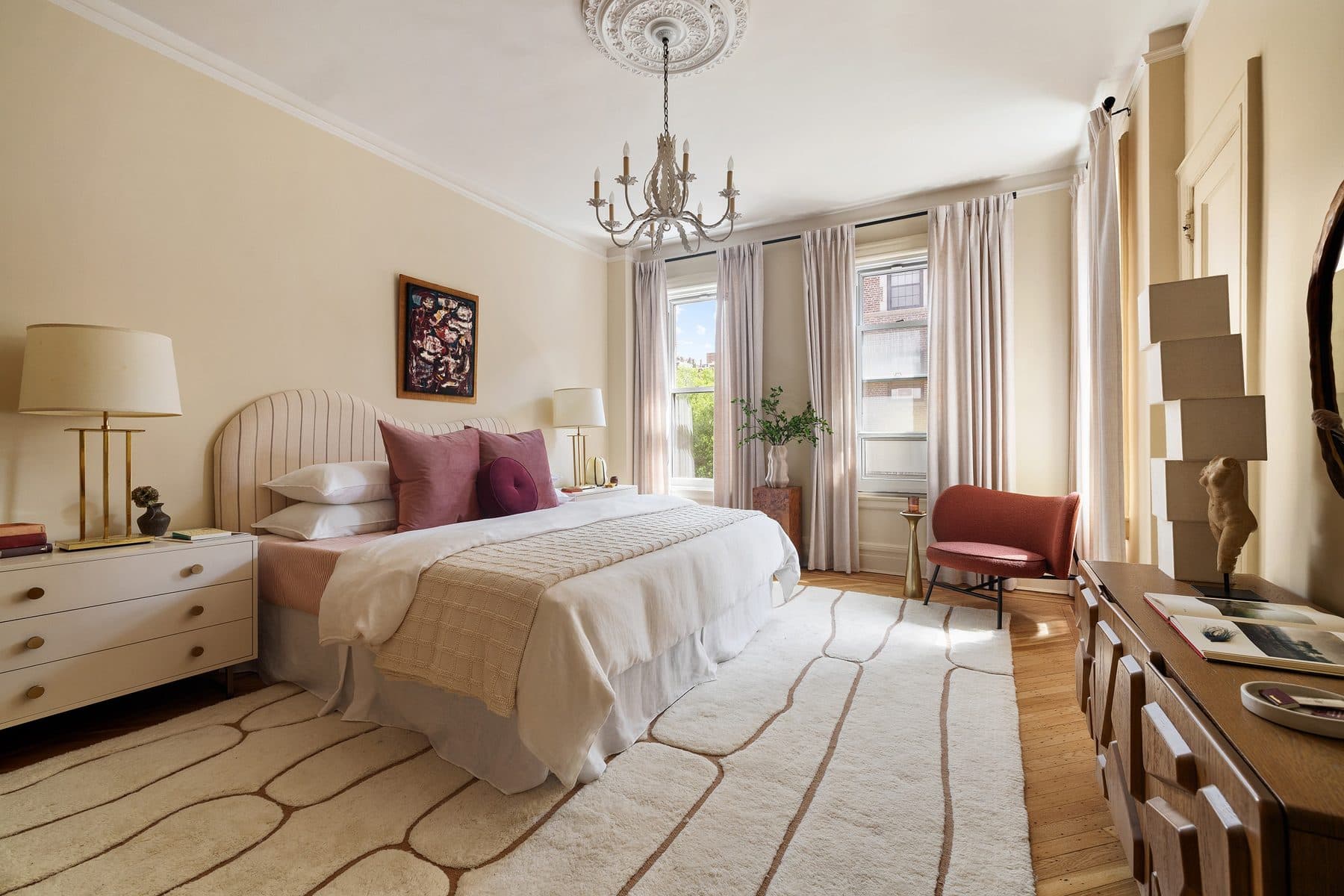
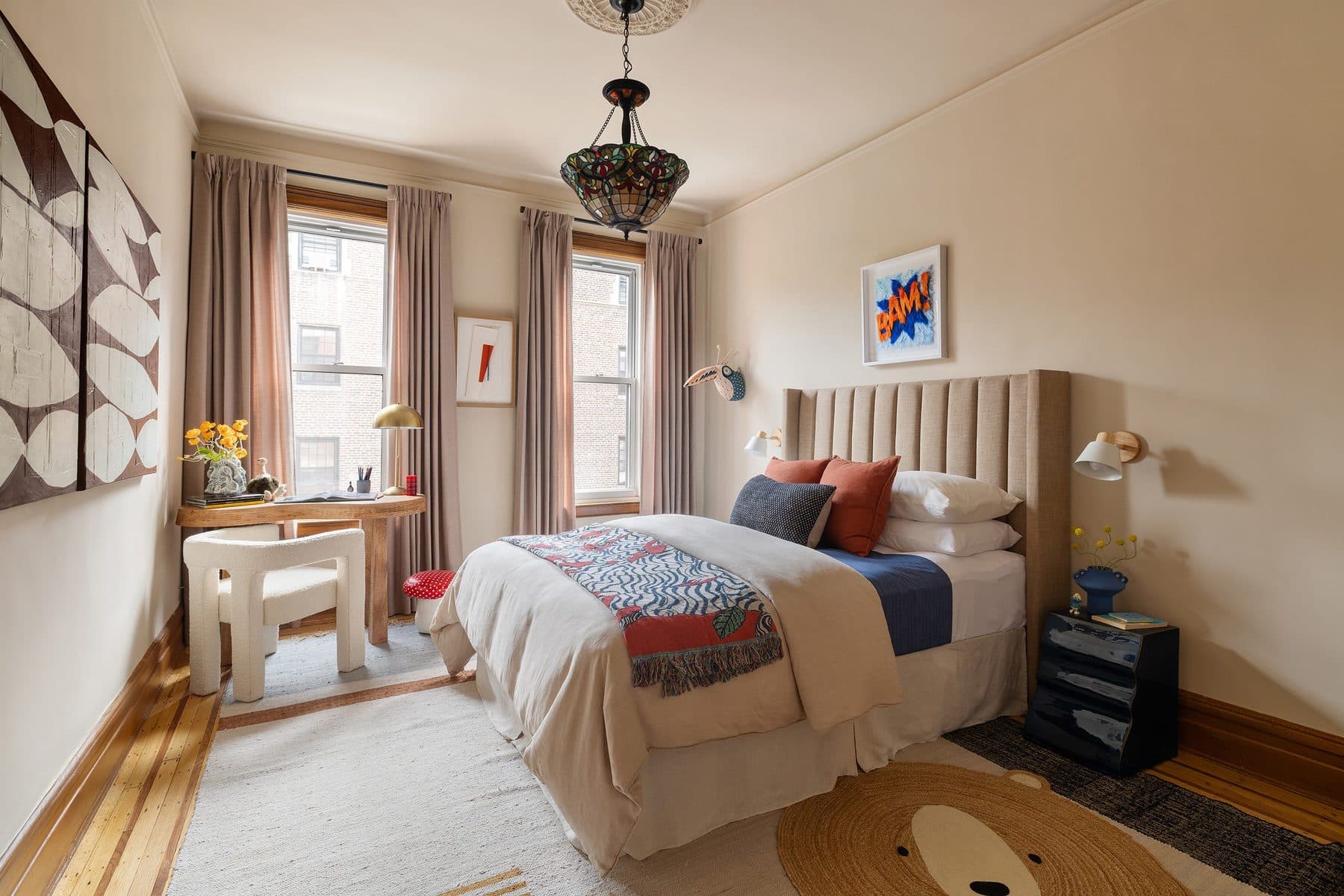
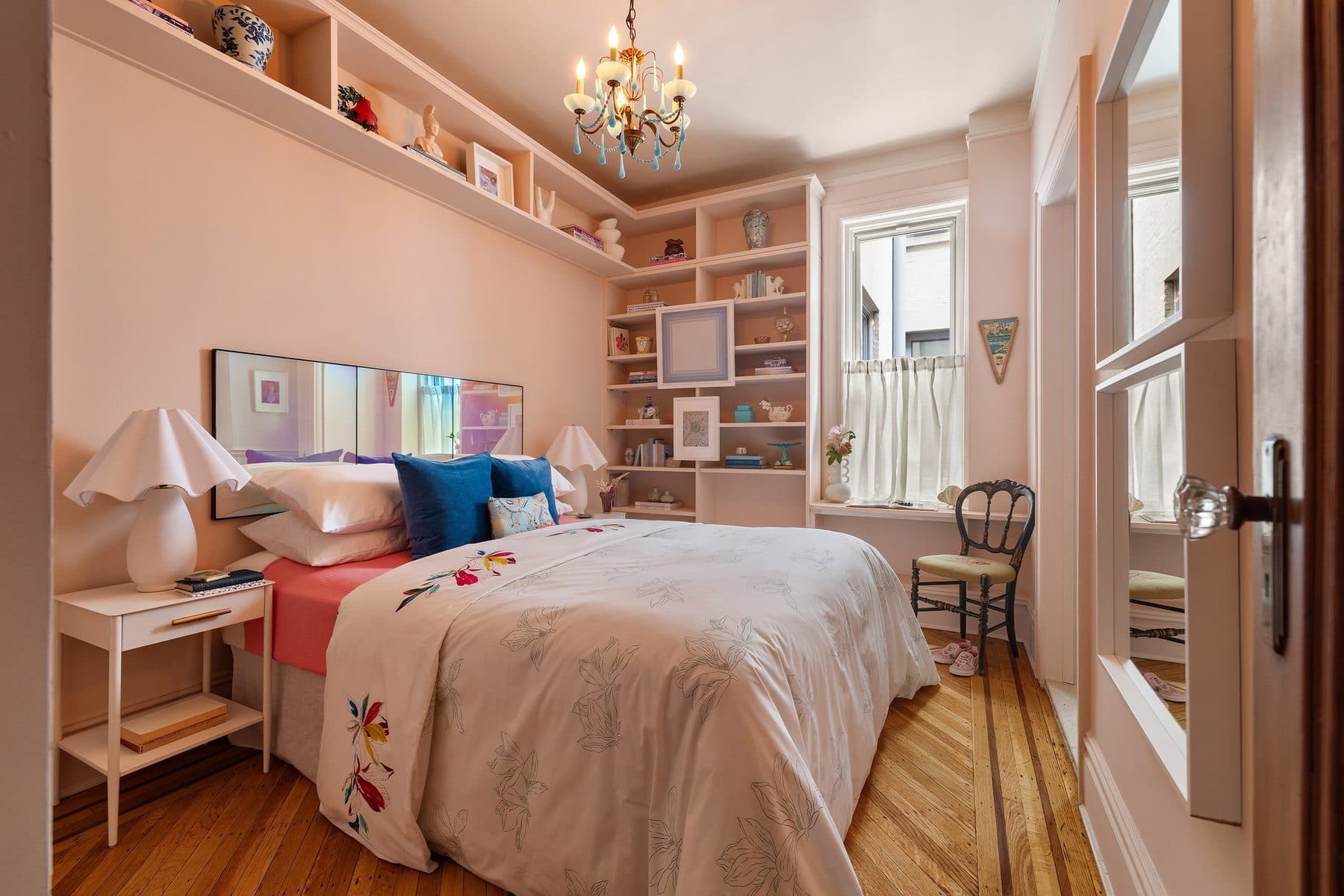
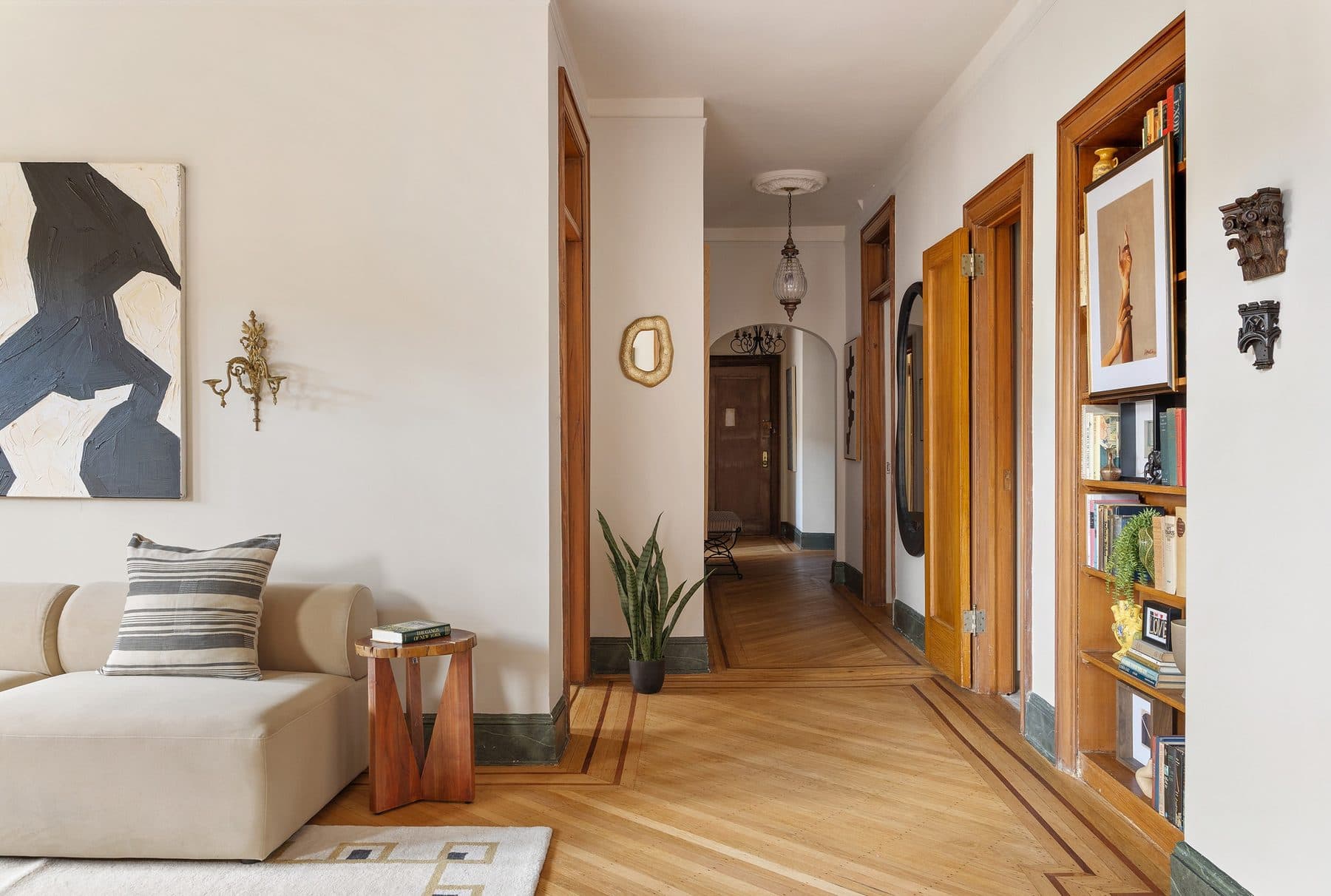
4A is the plan this era of building did best. The listing presents it as a classic six, three bedrooms and two baths arranged around proper rooms rather than an open field, and counts seventeen oversized windows across triple exposures, with ceilings that clear nine and a half feet.
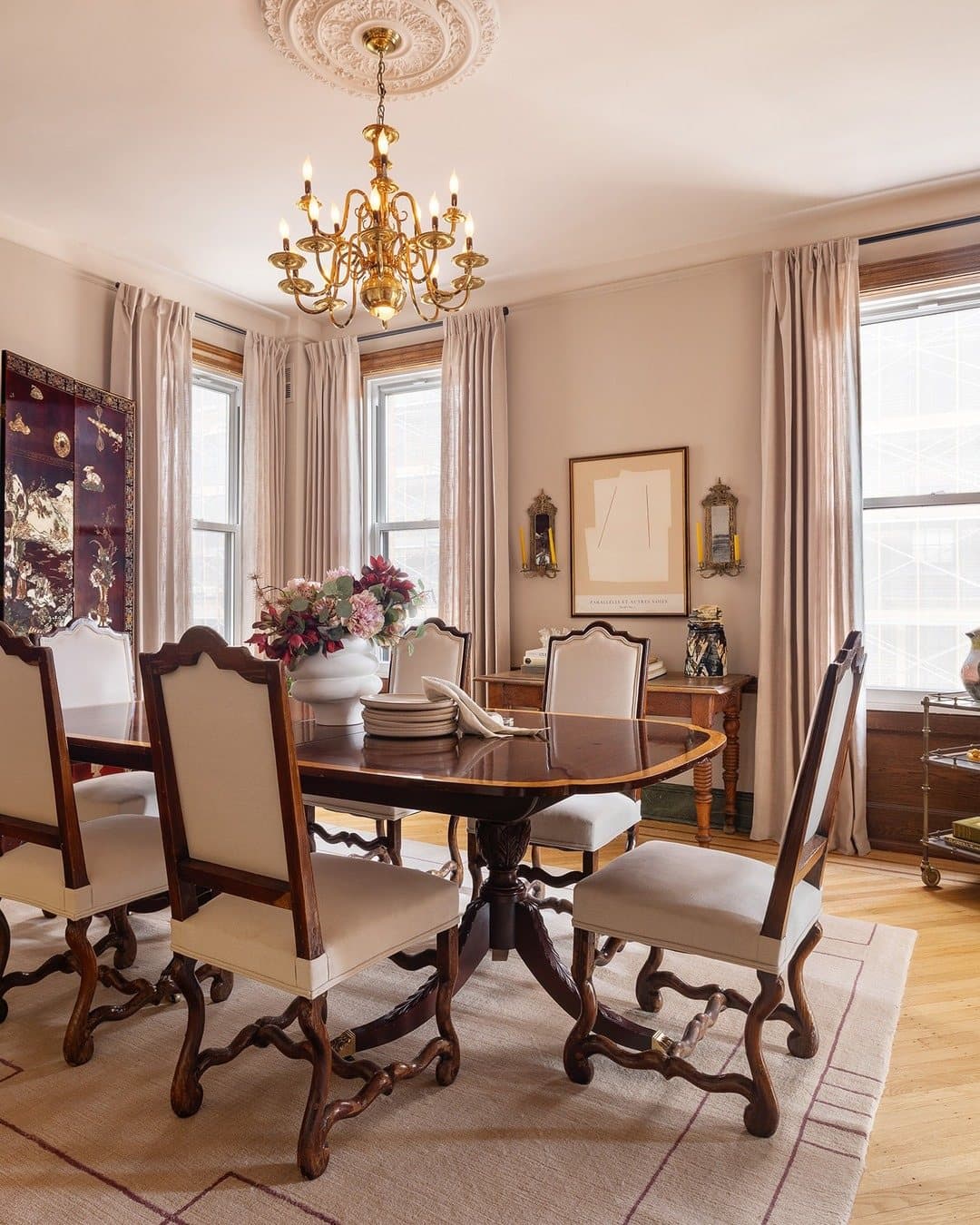
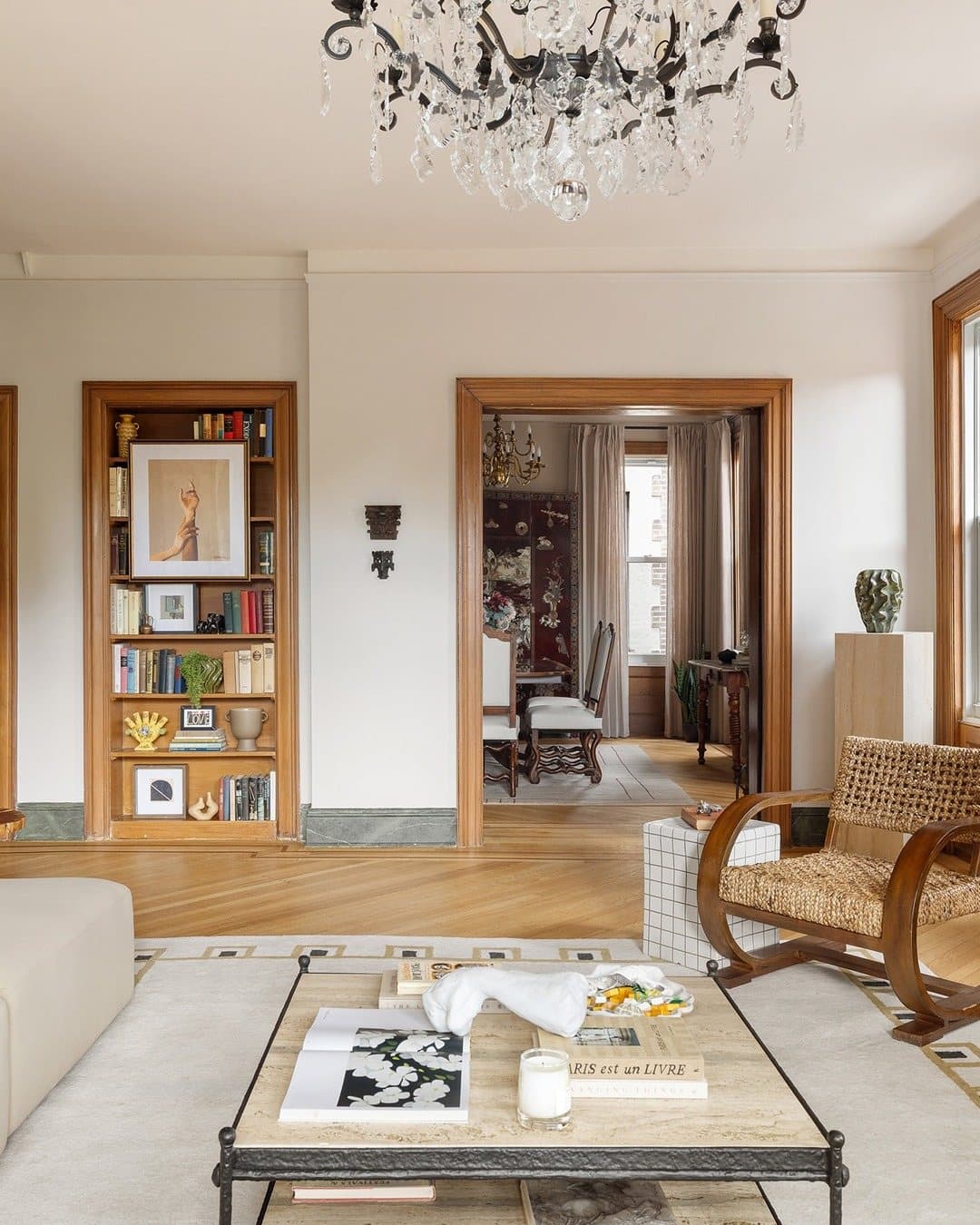
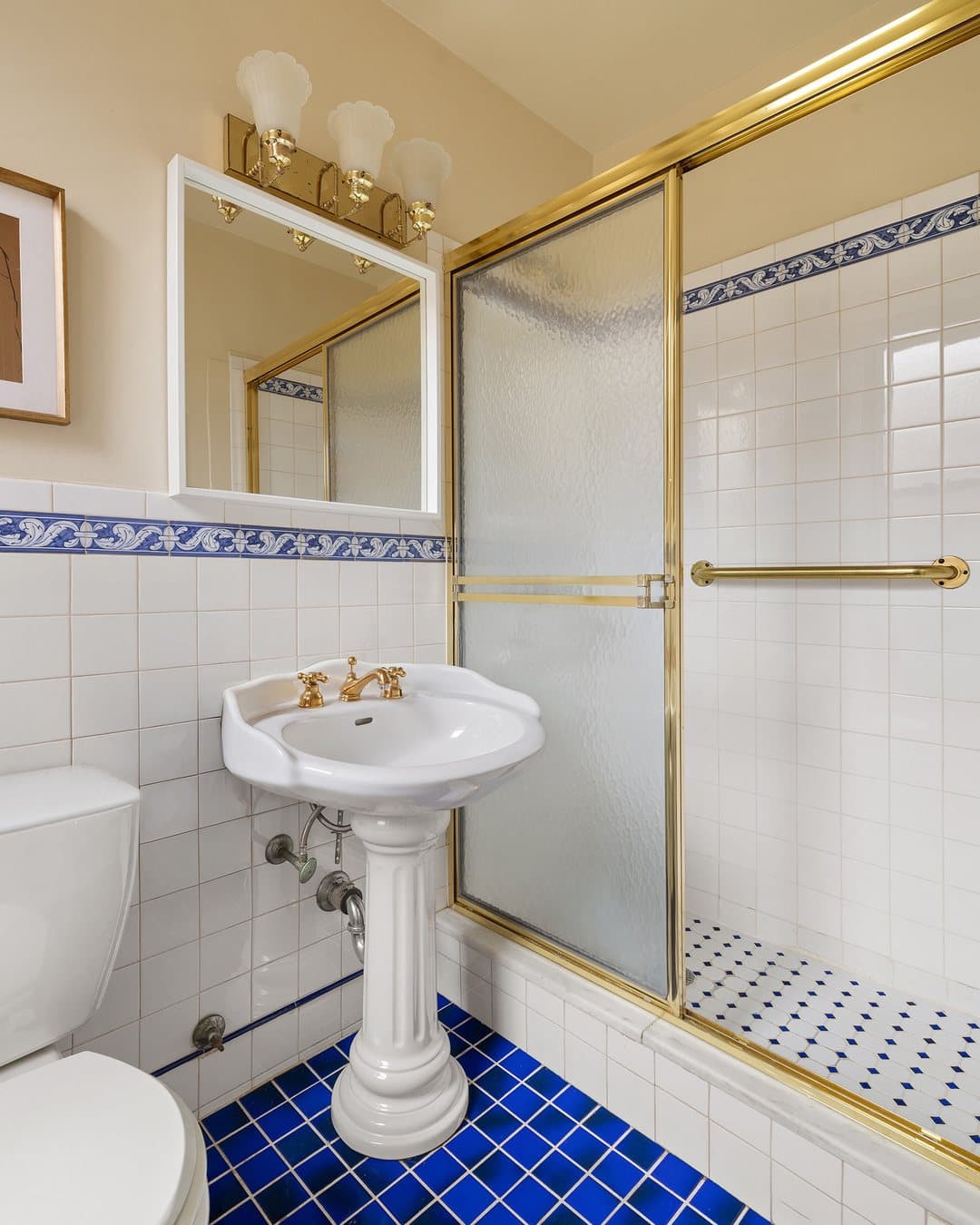
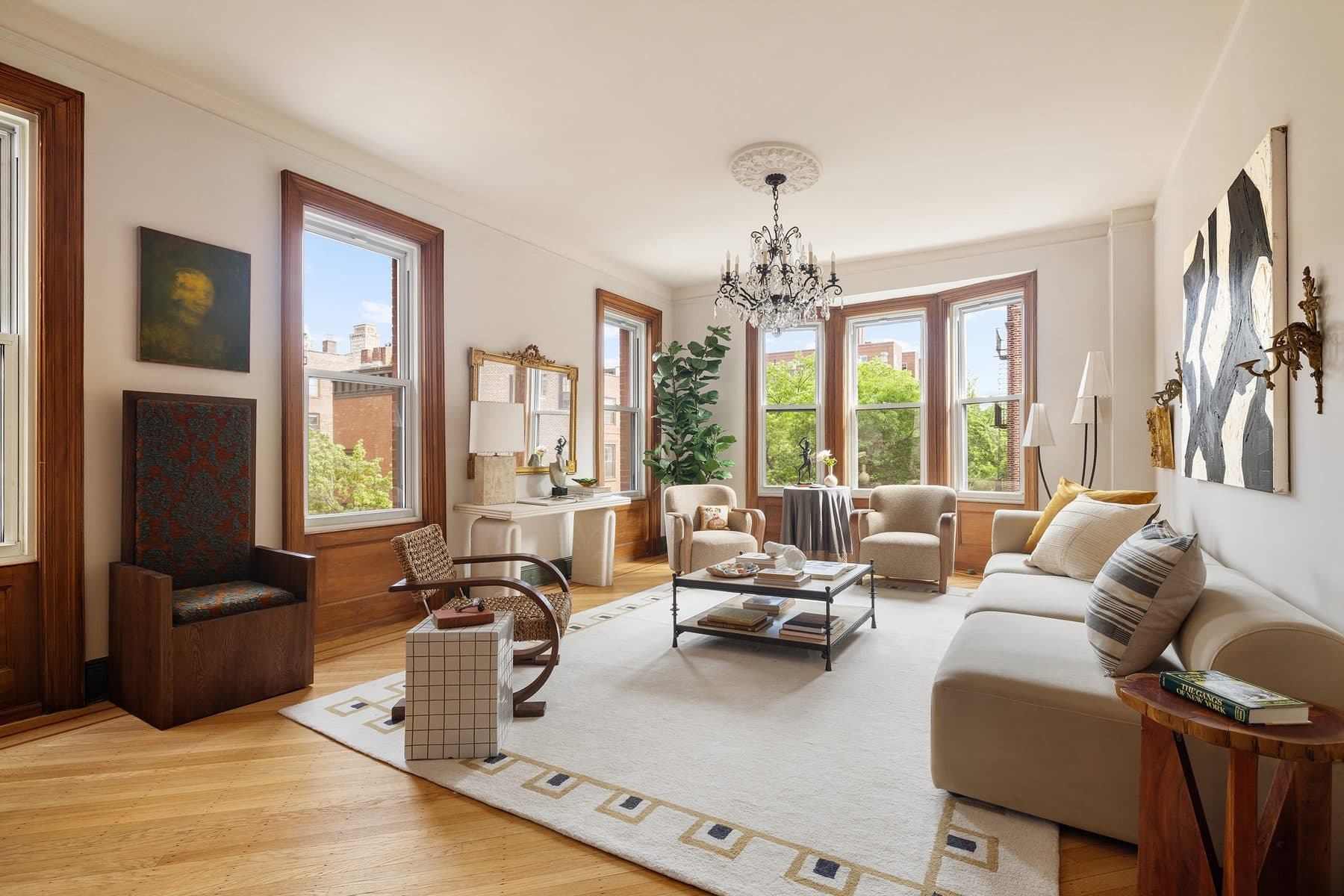
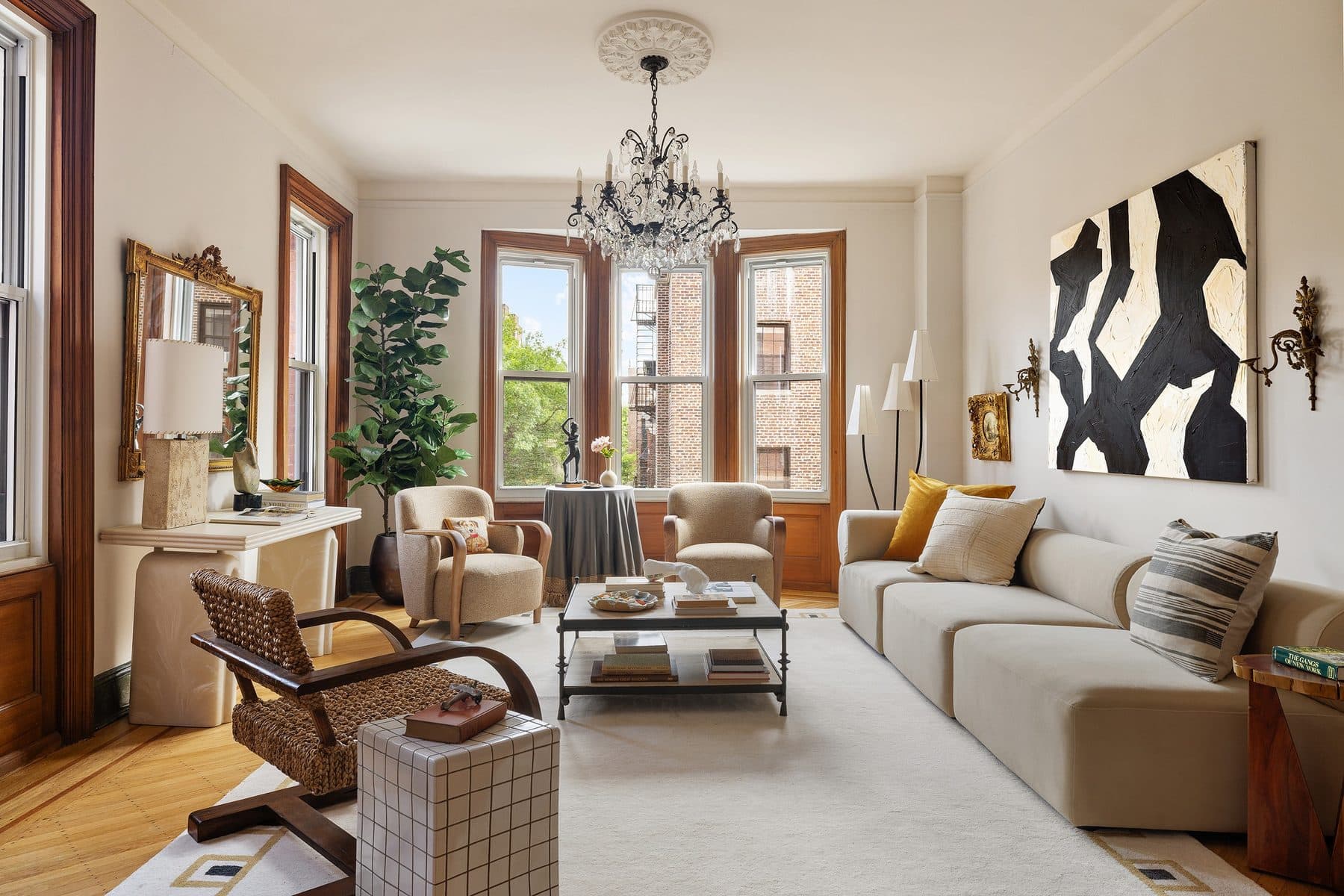
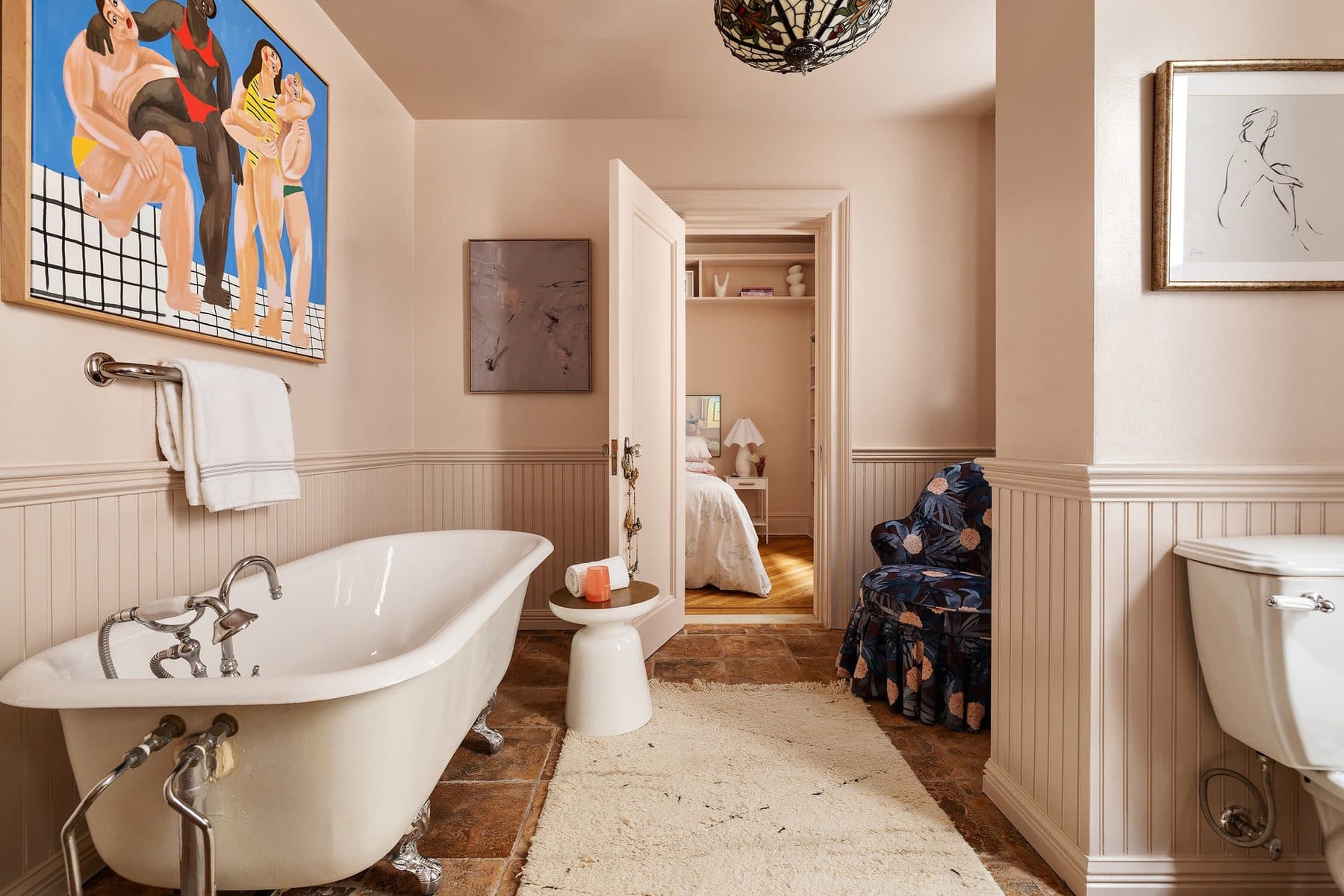
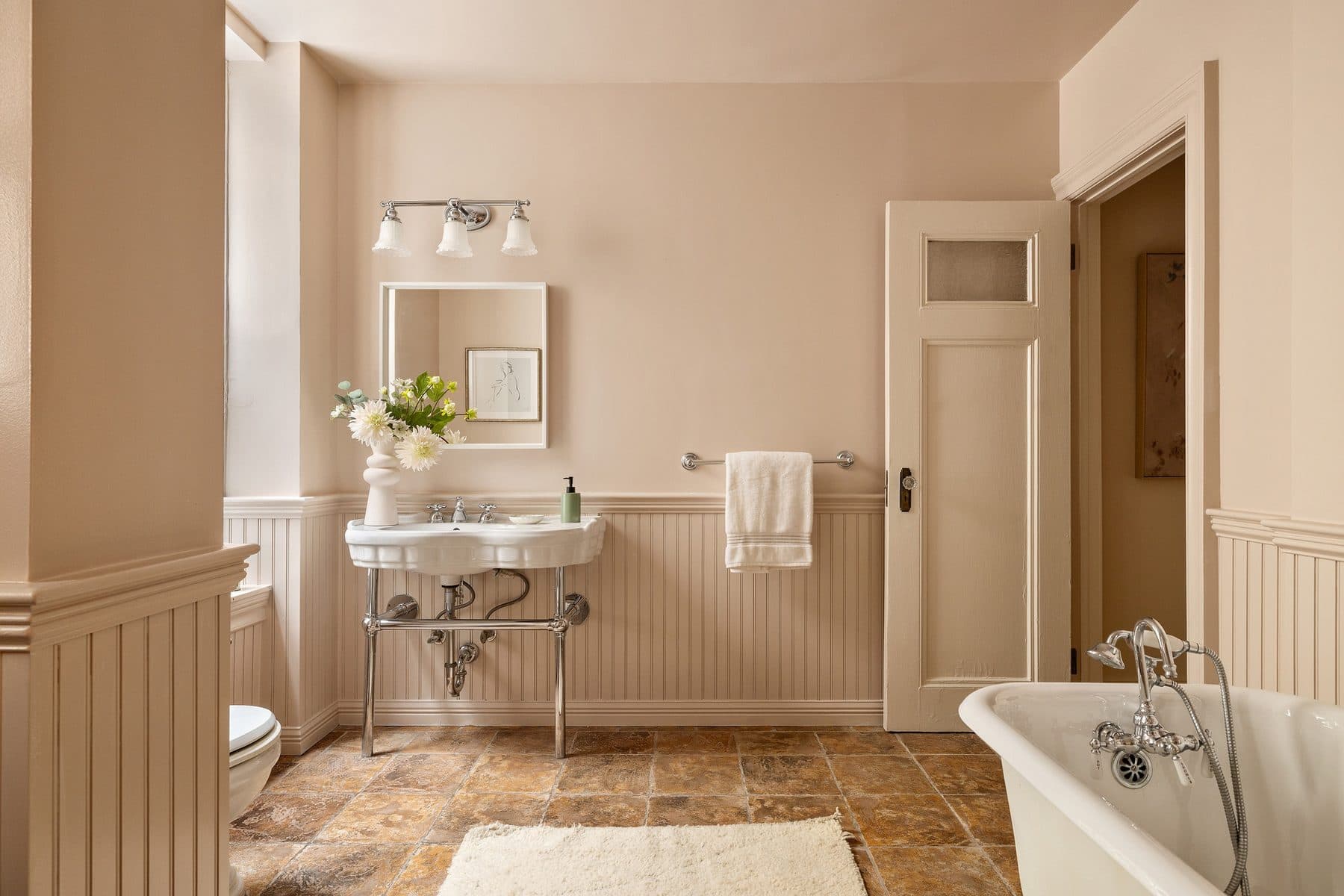
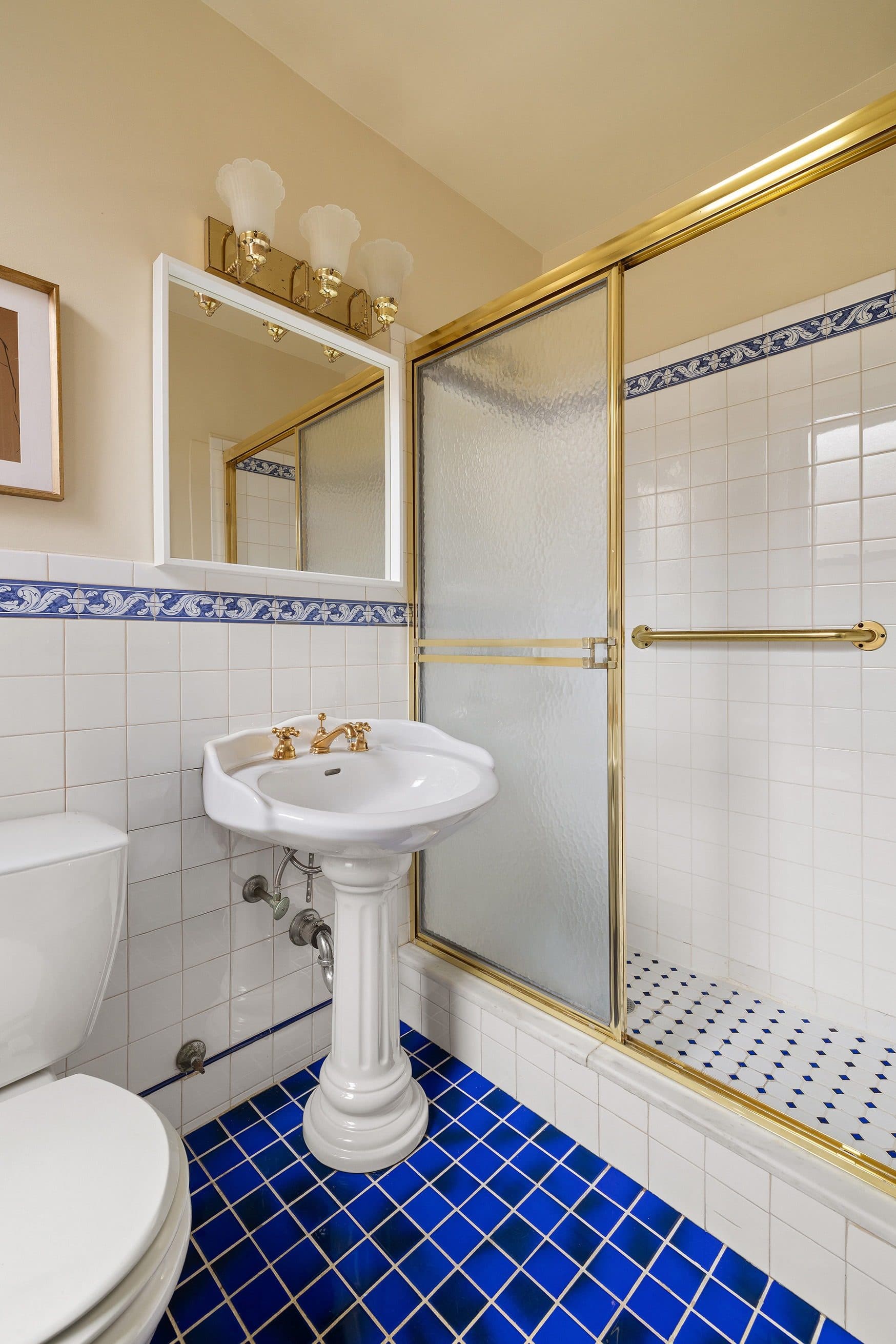
The period detail reads as original rather than reinstated: hardwood floors with inlaid borders, substantial moldings, picture rails and beadboard, a bay window in the living room, and both baths windowed, per the listing. There is a walk-in closet, a rarer concession to the present. The apartment came to market in early June and was in contract before the month was out.
In 1965 the Landmarks Preservation Commission made Brooklyn Heights New York City's first designated historic district, and Willow Court sits inside it. That designation is why the Clark and Willow corner still reads coherently more than a century on, brick apartment houses and row houses holding the same streetwall the Bowen portico once anchored.
The harbor the mansion's columns faced is still a few blocks west, and the abolitionist Brooklyn that Bowen helped build, the church, the newspaper, the dinner tables Lincoln was invited to, remains the neighborhood's founding story. Few corners in the city carry that record this legibly. 4A sits four floors above it.
Details
Floor plan
This home is in contract. Browse other active listings below.